Lip balm is a staple in everyone's daily routine, but are you using it correctly? Many people swipe on balm mindlessly, yet still struggle with dry, chapped lips. The secret to soft, hydrated lips isn't just the product—it's how you apply it. In this guide, we'll share professional lip balm application tips to help you get the most out of your balm and achieve a healthy, luscious pout.
Whether you're dealing with winter dryness or just want to maintain a smooth lip texture, understanding the right techniques can make all the difference. From exfoliation to layering, we'll cover everything you need to know about lip balm application, so you can say goodbye to flaky lips for good.
Why Lip Balm Application Matters
Applying lip balm might seem straightforward, but doing it correctly can significantly improve its effectiveness. The skin on your lips is thinner and more delicate than the rest of your face, making it prone to moisture loss. Proper application ensures that the balm's ingredients are absorbed optimally, providing long-lasting hydration and protection.
Moreover, the way you apply lip balm can affect its texture and how it interacts with your lips. For instance, applying too much can lead to a greasy feel, while applying too little may not provide enough coverage. By following the right techniques, you can maximize the benefits of your favorite balm and keep your lips looking and feeling their best.
- Always start with clean, dry lips to ensure better absorption.
- Use a gentle, upward motion to apply balm, which can help stimulate blood flow.
- Avoid licking your lips after application, as saliva can dry them out further.
Step-by-Step Guide to Applying Lip Balm Correctly
To get the most out of your lip balm, follow this simple step-by-step routine. First, gently exfoliate your lips to remove dead skin cells. You can use a soft toothbrush or a lip scrub. This step is crucial for allowing the balm to penetrate deeply. Next, apply a thin, even layer of balm, starting from the center of your lips and moving outward.
For best results, let the balm sit for a minute before applying a second layer. This helps lock in moisture and creates a protective barrier. If you're using a tinted balm or lipstick, apply the balm first to hydrate, then the color. Remember to reapply throughout the day, especially after eating or drinking.
- Exfoliate once or twice a week to avoid over-exfoliating.
- Use a lip balm with SPF during the day to protect against sun damage.
- At night, apply a thicker layer for an overnight treatment.
Exfoliation: The Key to Smooth Lips
Exfoliation is an essential part of any lip care routine. By removing dead skin cells, you allow your lip balm to work more effectively. You can make a simple sugar scrub at home or use a gentle lip exfoliator. However, be careful not to over-exfoliate, as this can cause irritation. Aim to exfoliate your lips once or twice a week.
After exfoliating, always follow up with a nourishing balm to soothe and hydrate. This is the perfect time to use a product like the Spearmint Lip Balm - Botanical Glow, which is enriched with moisturizing ingredients that help restore softness. Its refreshing spearmint scent also gives a pleasant cooling sensation.
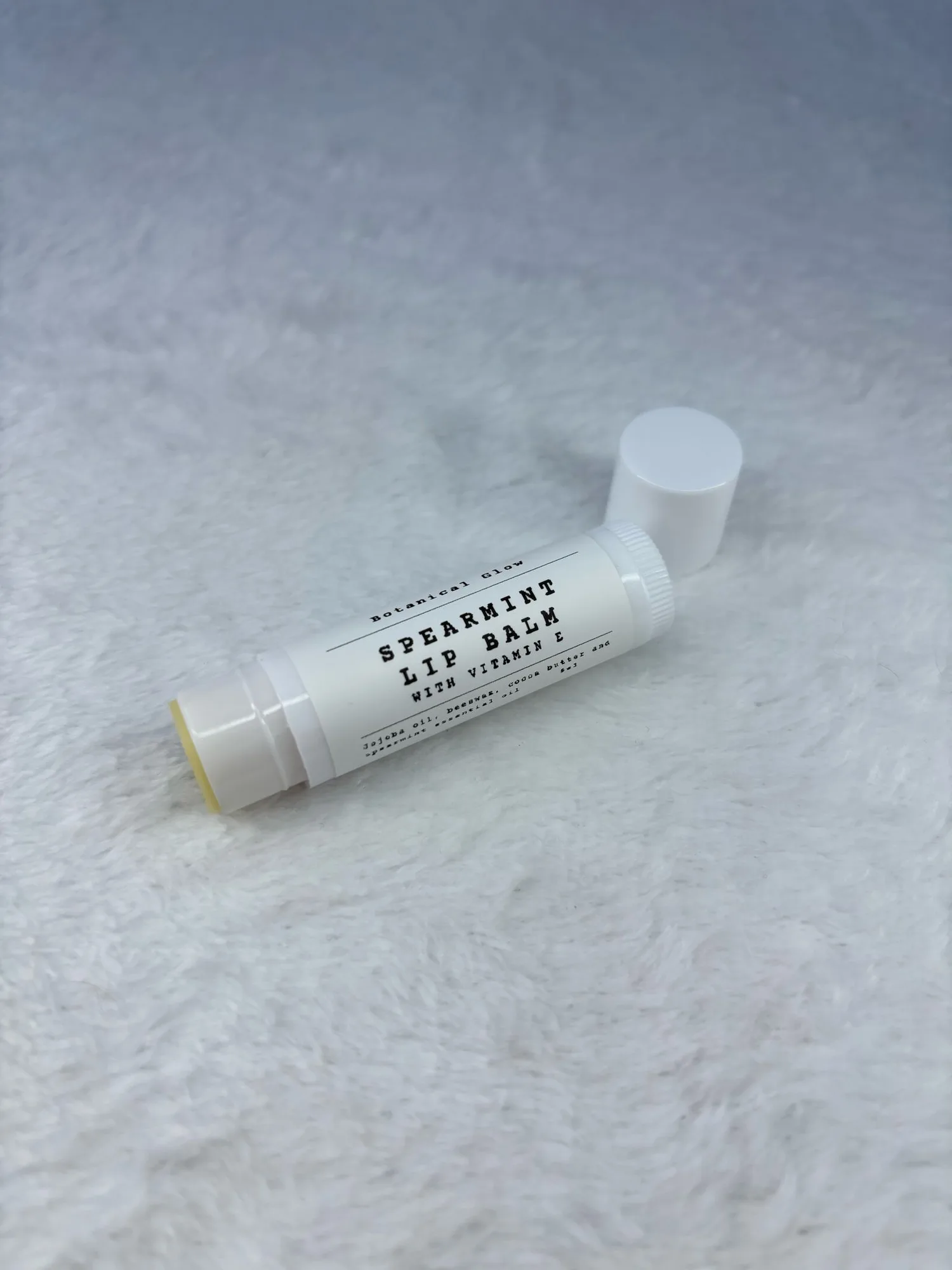
Spearmint Lip Balm - Botanical Glow
- Exfoliate gently in circular motions for about 30 seconds.
- Rinse with lukewarm water and pat dry before applying balm.
- Avoid exfoliating if your lips are cracked or bleeding.
Layering Lip Balm for Maximum Hydration
Layering is a technique that involves applying multiple thin coats of lip balm instead of one thick layer. This method helps lock in moisture more effectively and prevents the balm from feeling heavy or greasy. Start with a light layer, let it absorb, then apply another. You can repeat this up to three times for intense hydration.
Layering works well with balms that contain natural oils and butters, like the DIY Lip Balm Making Kit - Botanical Glow. This kit allows you to create your own custom balms, perfect for layering with different scents and textures. By making your own, you can tailor the ingredients to suit your lips' needs.
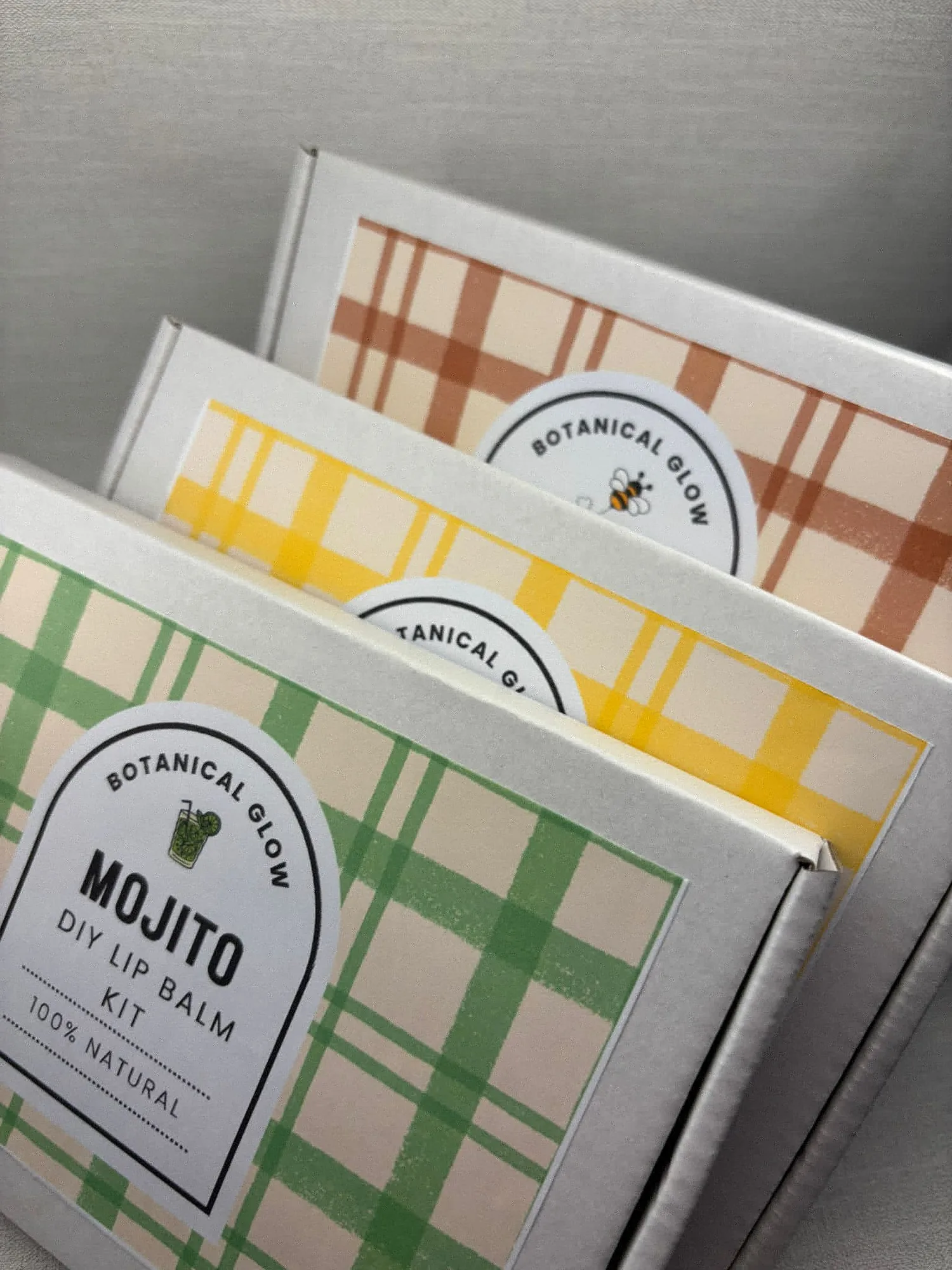
DIY Lip Balm Making Kit - Botanical Glow
- Wait 30 seconds between layers to allow absorption.
- Use a balm with shea butter or coconut oil for deeper hydration.
- Layering is especially beneficial in cold, dry weather.
Choosing the Right Lip Balm for Your Needs
Not all lip balms are created equal. When selecting a balm, consider your specific needs. If you have severely dry lips, look for balms with rich emollients like beeswax, shea butter, or lanolin. For everyday use, a lighter formula with natural oils may be sufficient. The Spearmint Lip Balm - Botanical Glow is an excellent choice for daily hydration, offering a refreshing minty tingle.
If you prefer a more personalized approach, the DIY Lip Balm Making Kit - Botanical Glow lets you craft balms with your favorite essential oils and butters. This is a fun and rewarding way to ensure you're using ingredients that work best for you. Plus, it makes a great gift for friends and family.
- Check the ingredient list for potential allergens.
- Avoid balms with menthol or camphor if you have sensitive lips.
- Opt for balms with natural preservatives if you're making your own.
Common Mistakes to Avoid
Even with the best intentions, many people make mistakes when applying lip balm. One common error is licking your lips, which can actually worsen dryness. Another is applying balm to wet lips, which dilutes the product and reduces its effectiveness. Additionally, using old or expired balm can introduce bacteria, so be sure to replace your balm every few months.
Another mistake is neglecting to apply balm before bed. Your lips lose moisture overnight, so a nighttime application is crucial. Consider using a thicker, more occlusive balm or a lip mask. You can also incorporate a lip balm with natural ingredients like the DIY Lip Balm Making Kit - Botanical Glow to ensure you're using fresh, effective products.
- Don't share your lip balm—it can spread germs.
- Avoid applying balm with your fingers; use the tube or a clean applicator.
- Store your balm in a cool, dry place to prevent melting or spoilage.
Mastering the art of lip balm application can transform your lip care routine. By exfoliating, layering, and choosing the right products, you can keep your lips soft, smooth, and hydrated all year round. Whether you opt for a ready-made balm or enjoy crafting your own, the key is consistency and proper technique. Start implementing these tips today, and your lips will thank you.