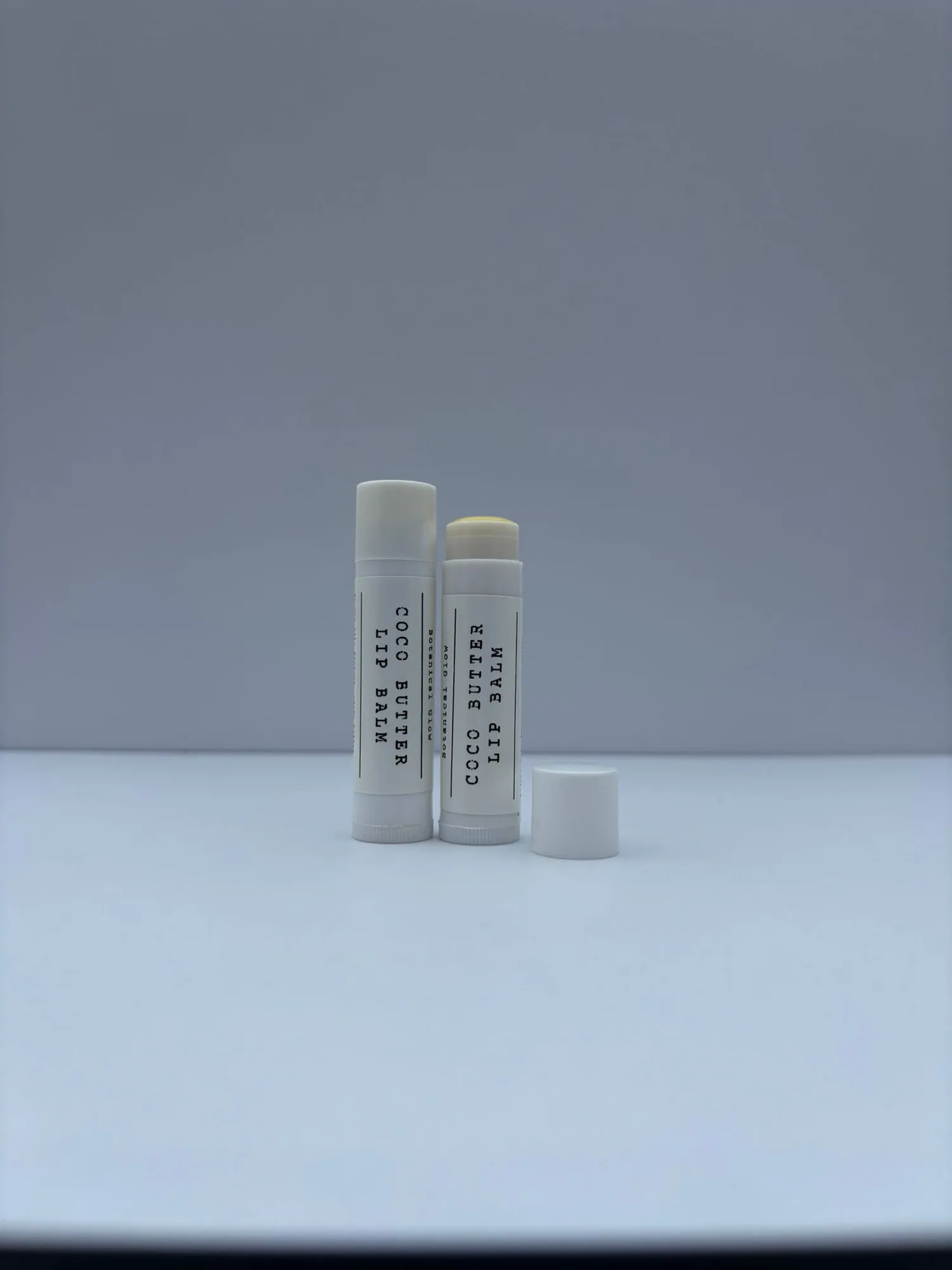
Your lips are one of the most delicate parts of your body, yet they endure daily exposure to sun, wind, and cold. A good lip balm is more than a cosmetic—it's a protective shield. But with countless options on the market, how do you choose the right one? This lip balm buying guide breaks down everything you need to know, from key ingredients to texture preferences, so you can make an informed choice.
Whether you're dealing with chapped winter lips, looking for a natural option, or simply want a hint of flavor, we'll help you navigate the world of lip care. By the end, you'll know exactly what to look for in a lip balm and why products like [Cocoa Butter Lip Balm - Botanical Glow] and [Spearmint Lip Balm - Botanical Glow] might be your perfect match.
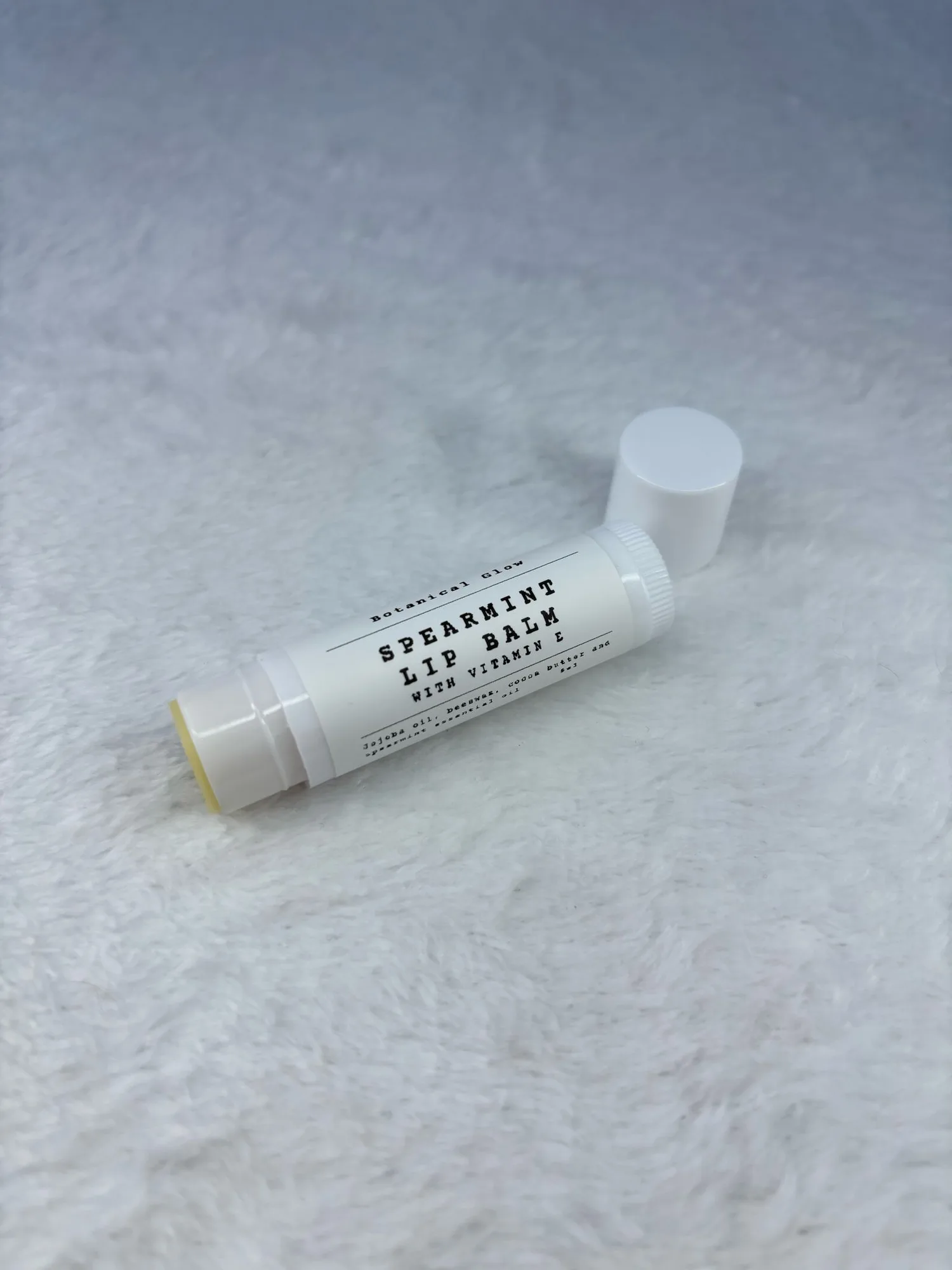
Spearmint Lip Balm - Botanical Glow
Why Lip Balm Matters: Understanding Your Lips
Unlike the rest of your skin, lips lack oil glands and melanin, making them prone to dryness and sun damage. They have a thin outer layer, so moisture evaporates quickly. This is why regular hydration and protection are essential. A quality lip balm creates a barrier that locks in moisture and shields against harsh elements.
When choosing a lip balm, consider your lifestyle. If you spend a lot of time outdoors, look for SPF. If you're prone to dry, cracked lips, opt for rich, occlusive ingredients like beeswax or shea butter. Understanding your specific needs is the first step in finding your ideal balm.
- Lips have no oil glands, so they need external moisture.
- Look for SPF if you're often in the sun.
- Occlusive ingredients help prevent moisture loss.
Key Ingredients to Look For (and Avoid)
The ingredient list is your best friend when selecting a lip balm. Emollients like shea butter, cocoa butter, and jojoba oil soften the lips, while humectants like glycerin and hyaluronic acid draw in moisture. Occlusives such as beeswax and lanolin seal everything in. A good balm balances these three types.
Avoid balms with drying alcohols, synthetic fragrances, or camphor (unless it's for medicated use). These can irritate and worsen dryness. For a natural approach, look for plant-based butters and oils. Products like the [Cocoa Butter Lip Balm - Botanical Glow] harness the power of cocoa butter, a rich emollient that's perfect for deep hydration.
- Emollients: shea butter, cocoa butter, jojoba oil
- Humectants: glycerin, hyaluronic acid
- Occlusives: beeswax, lanolin
- Avoid: drying alcohols, synthetic fragrances
Texture and Finish: Balm, Gloss, or Tint?
Lip balms come in various textures, from thick and buttery to light and glossy. A thicker balm is ideal for overnight repair or intense cold, while a lighter one works well for daily use. Glossy formulas add shine and are great for a natural look, but they may not be as moisturizing. Tinted balms offer a hint of color while caring for your lips.
Consider your preference: do you want something you can apply without a mirror, or are you okay with a more visible product? The [Spearmint Lip Balm - Botanical Glow] offers a smooth, non-greasy texture with a refreshing tingle, making it a versatile choice for everyday wear.
- Thick balms: best for overnight or winter
- Light balms: good for daily use
- Tinted balms: add color and care
Seasonal Considerations: Winter vs. Summer
Your lip balm needs change with the seasons. In winter, cold air and indoor heating strip moisture, so you need a heavier, more occlusive balm. Look for ingredients like beeswax or petroleum jelly to create a barrier. In summer, UV protection becomes crucial, and a lighter formula with SPF is ideal.
If you live in a climate with extreme seasons, consider having two balms: a rich one for winter and a lighter one for summer. This ensures your lips are protected year-round. The [Cocoa Butter Lip Balm - Botanical Glow] is rich enough for winter, while the [Spearmint Lip Balm - Botanical Glow] offers a refreshing, lighter option for warmer months.
- Winter: heavy, occlusive balms
- Summer: SPF and lighter formulas
- Consider a rotation for different seasons
Natural vs. Conventional: What's Right for You?
Natural lip balms use plant-based ingredients and avoid synthetic chemicals. They're often free from parabens, phthalates, and artificial dyes. If you prefer clean beauty, look for balms with organic butters and oils. However, 'natural' doesn't always mean better—some natural ingredients can be allergens. Always patch test.
Conventional balms may offer more consistent textures and longer shelf life, but they can contain synthetic ingredients. The choice boils down to personal preference and skin sensitivity. For a natural option, the [Cocoa Butter Lip Balm - Botanical Glow] uses cocoa butter, a natural emollient known for its moisturizing properties.
- Natural: plant-based, no synthetics
- Conventional: more consistent, but may have additives
- Patch test any new balm
Flavors and Scents: Enjoying Your Lip Care
Flavored lip balms make application a treat. From mint to cocoa, there's a flavor for every preference. However, be cautious: flavored balms can tempt you to lick your lips, which actually dries them out. If you choose a flavored balm, apply it consciously and avoid excessive licking.
The [Spearmint Lip Balm - Botanical Glow] offers a refreshing spearmint flavor that invigorates the senses, while the [Cocoa Butter Lip Balm - Botanical Glow] provides a subtle, sweet cocoa scent. Both are excellent choices if you enjoy a sensory experience with your lip care.
- Flavored balms can be enjoyable but avoid lip licking
- Spearmint offers a refreshing tingle
- Cocoa butter provides a warm, sweet scent
Choosing the perfect lip balm doesn't have to be overwhelming. By understanding your lips' needs, checking ingredients, and considering texture and season, you can find a balm that keeps your lips healthy and happy. Start with a natural option like the [Cocoa Butter Lip Balm - Botanical Glow] or the [Spearmint Lip Balm - Botanical Glow] to experience the difference quality ingredients make. Your lips will thank you.