Understanding the three lip product types
Lip oil, lip balm, and lip gloss look similar on the shelf but do different jobs. Your choice depends on how much hydration you need, the finish you prefer, and how often you reapply.
Lip balm is the classic defender: it seals moisture and protects against wind and cold. Lip gloss adds shine and sometimes a hint of color, but it is not designed to hydrate. Lip oil sits in between: it delivers active oils to condition the lip skin while leaving a lightweight, glossy finish.
What Lip Oil brings to the comparison
-
Lip Oil: Susanne Kaufmann's Lip Oil is formulated with 97.4% ingredients of natural origin and is clinically proven to instantly boost lip moisture by 23%. If your main goal is measurable hydration, lip oil provides a quantifiable benefit that balm and gloss do not always claim.
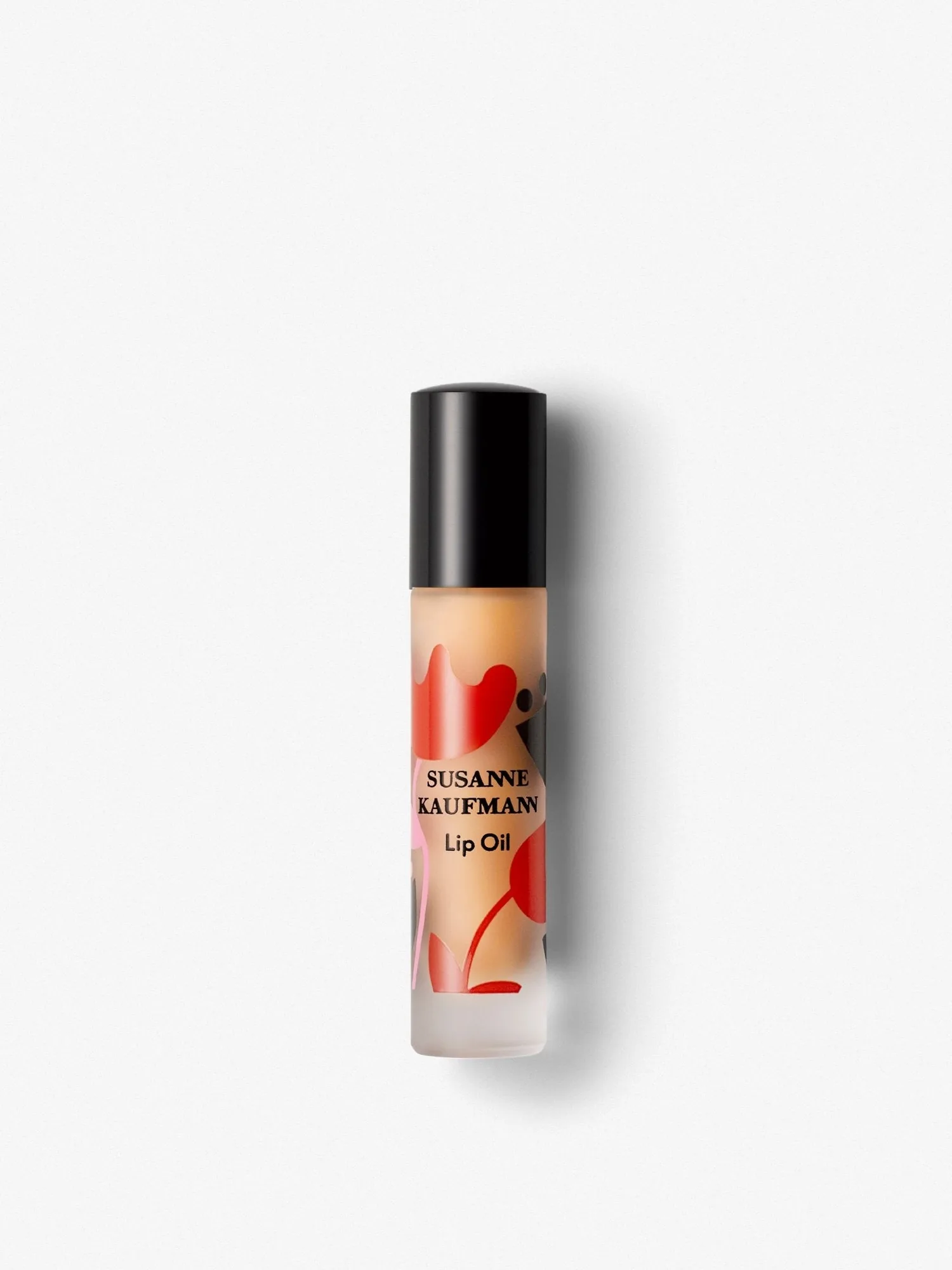
Lip Oil
-
Lip Oil: The formula uses meadow foam and jojoba oils to replenish and soften, plus omega-7-rich sea buckthorn to support the lip barrier. Unlike gloss, which relies on film-formers for shine, lip oil uses oils that actively nourish the delicate lip skin.
-
Lip Oil: Tomato extract and natural astaxanthin help defend against environmental stress, and MYRAMAZE®-ESSENCE from the resurrection plant is proven to visibly plump the lips. Lip oil can serve as both a treatment and a cosmetic, offering visible plumping that balm and gloss typically do not provide.
Lip oil vs lip balm vs lip gloss: how they compare
- Hydration: Lip balm seals in existing moisture but does not always add new hydration. Lip gloss provides almost no hydration. Lip oil actively delivers oils and can boost moisture levels, as shown by the 23% increase from Susanne Kaufmann Lip Oil.
- Texture and finish: Lip balm feels waxy and sits on the lip surface. Lip gloss is sticky or thick and creates a high-shine film. Lip oil has a lightweight, non-sticky texture that glides on easily and leaves a translucent blush-peach hue with a subtle radiant finish.
- Lip care benefits: Lip balm protects against chapping and cracking. Lip gloss is primarily cosmetic. Lip oil combines conditioning (meadow foam, jojoba, sea buckthorn) with barrier support and environmental defense, making it a better choice for daily lip care.
- Reapplication frequency: Lip balm can last a few hours before needing reapplication. Lip gloss often wears off faster, especially after eating or drinking. Lip oil's staying power is similar to balm, but its moisturizing effect may reduce the number of reapplications needed.
Which one should you choose?
If your main concern is dry, chapped lips and you want a product that both hydrates and protects, lip oil is the strongest option. Lip balm remains a reliable choice for basic protection, especially in harsh weather. Lip gloss is best reserved for occasions when shine matters more than lip health.
For anyone looking to simplify their lip care routine, a single lip oil can replace both a balm and a gloss. Susanne Kaufmann Lip Oil comes in a 5 ml size and is priced at USD 28.08, offering a concentrated formula that works as a treatment, a primer, and a finish.
What the supplied information does not confirm
The catalog does not include wear time, transfer resistance, or SPF data for any of the three product types. If long-lasting wear or sun protection is important to you, check product labels or contact the brand for additional details.
No specific lip balm or lip gloss products from Susanne Kaufmann are included in this comparison, so the evidence is limited to the Lip Oil. The comparison is based on general product category characteristics and the single available product record.