Quick answer
Liquid chalk can help paddlers by drying sweaty hands and improving grip on paddle shafts, especially in humid conditions. It will not make a wet, slimy boat deck safe to walk on, and it won't replace a proper non-slip surface or secure footing. Treat it as a hand-drying aid, not a deck-grip solution.
What liquid chalk actually does for your hands
Liquid chalk is a quick-drying formula that leaves a thin, dry layer on your skin. That layer absorbs moisture and creates friction, which is why it's popular for lifting and climbing. For paddlers, the benefit is simple: drier hands mean less slipping on a paddle shaft, especially when you're already sweating or dealing with spray.
The effect is temporary. It lasts through a workout or a paddling session, but it washes off with water and wears away with friction. On a boat, that means you may need to reapply if you're out for hours or constantly dipping your hands.
Why it's not a deck-grip fix
Boat decks get wet, and wet fiberglass, plastic, or inflatable surfaces are slippery regardless of what's on your hands. Liquid chalk doesn't change the deck's surface, and it won't add traction to a smooth, wet deck. If you're looking for safer footing, you need a physical solution like non-slip pads or textured deck material, not a hand product.
That said, chalk can help when you're handling a paddle or gripping a wet carry strap. It keeps your hands from sliding on smooth shafts and handles, which reduces the need to over-grip.
Liquid chalk vs. dry chalk for paddling
Dry chalk blocks are messy and leave residue, but they're cheap and effective for short bursts. Liquid chalk dries faster, leaves less dust, and is easier to apply on a boat because it comes in a bottle. For paddlers, the no-mess factor matters: you don't want chalk dust all over your deck or gear.
If you already use dry chalk and don't mind the mess, there's no urgent reason to switch. If you want something you can stash in a dry bag and apply without puffing dust everywhere, liquid chalk is the more practical choice.
How to test it on your own gear
Before relying on liquid chalk for a full day on the water, try it on a short paddle. Apply a small amount to dry hands, let it dry completely, then grip your paddle shaft. Notice whether your hands feel more secure or just drier. If you're still slipping, the issue is likely the shaft surface or your grip technique, not moisture.
Also check how it interacts with your gloves. Some gloves become slick with chalk, while others grip better. Test with and without gloves to see which combination works for you.
Pairing chalk with the right carry and dock gear
Liquid chalk helps with hand grip, but it won't help you carry a heavy kayak or secure a boat to a dock. For those jobs, you need gear designed for load and shock. A padded carry strap spreads weight and protects your board, while bungee dock lines absorb movement at the marina.
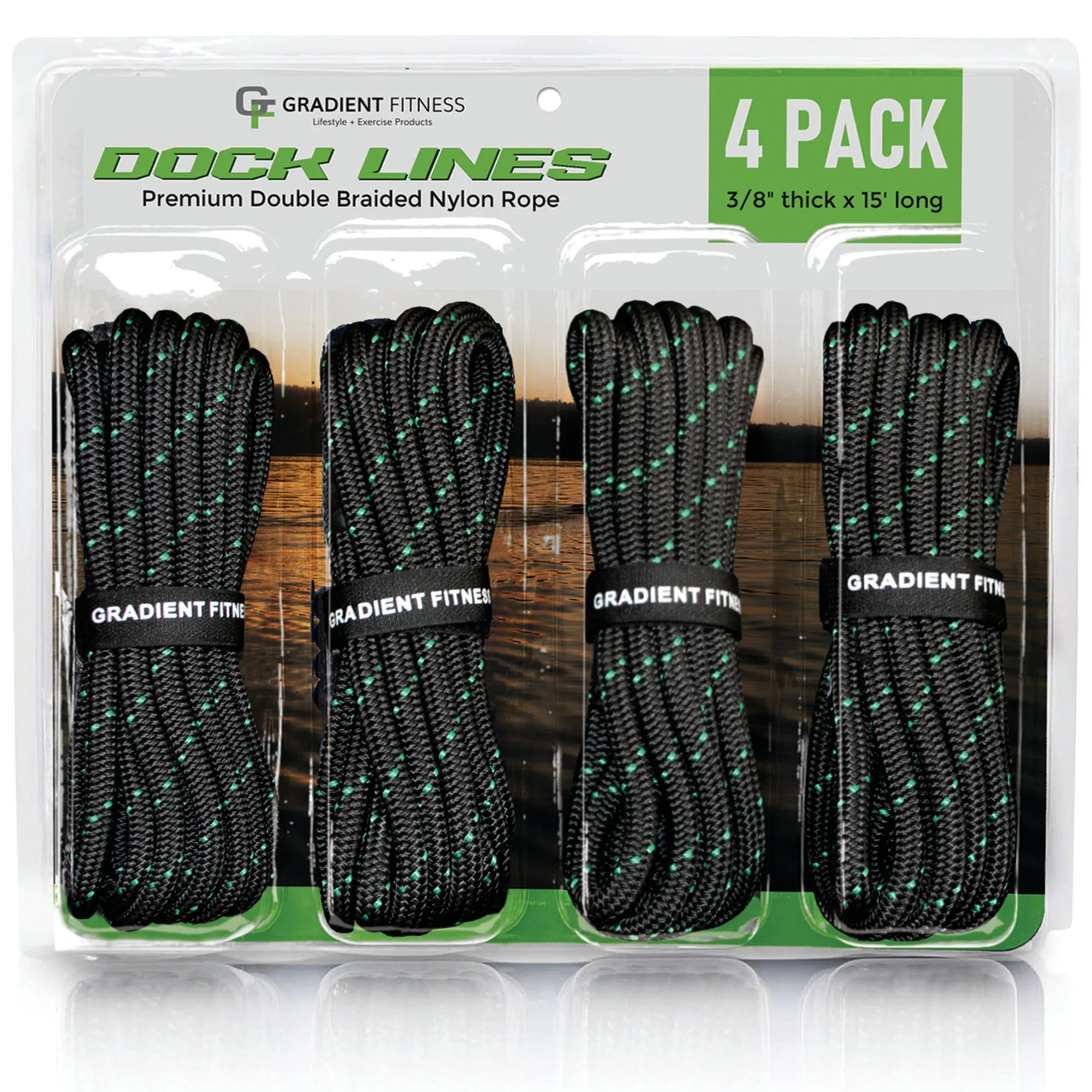
dock lines
If you're already using a carry strap, chalk can make the strap easier to hold when your hands are sweaty. It's a small addition that can make a long walk to the water less annoying.
Decision rules for using liquid chalk on the water
- If your hands sweat and your paddle shaft feels slick: Apply liquid chalk before you launch. It dries quickly and gives you a dry, tacky grip that lasts through a typical session. Good fit for humid climates and high-effort paddling.
- If you're worried about slipping on a wet deck: Don't rely on chalk. Add non-slip deck pads or wear shoes with grip. Chalk only affects your hands, not the deck surface. Choose a physical traction solution instead.
- If you already use gloves: Test chalk with your gloves on. Some gloves become slick, others improve. If gloves alone work, you may not need chalk. Try both combinations before committing.
- If you need to carry a kayak or SUP: Use a padded carry strap to reduce hand strain. Chalk can help you hold the strap, but the strap does the load-bearing work. Pair chalk with a proper carry strap for longer walks.
Products that pair well with liquid chalk
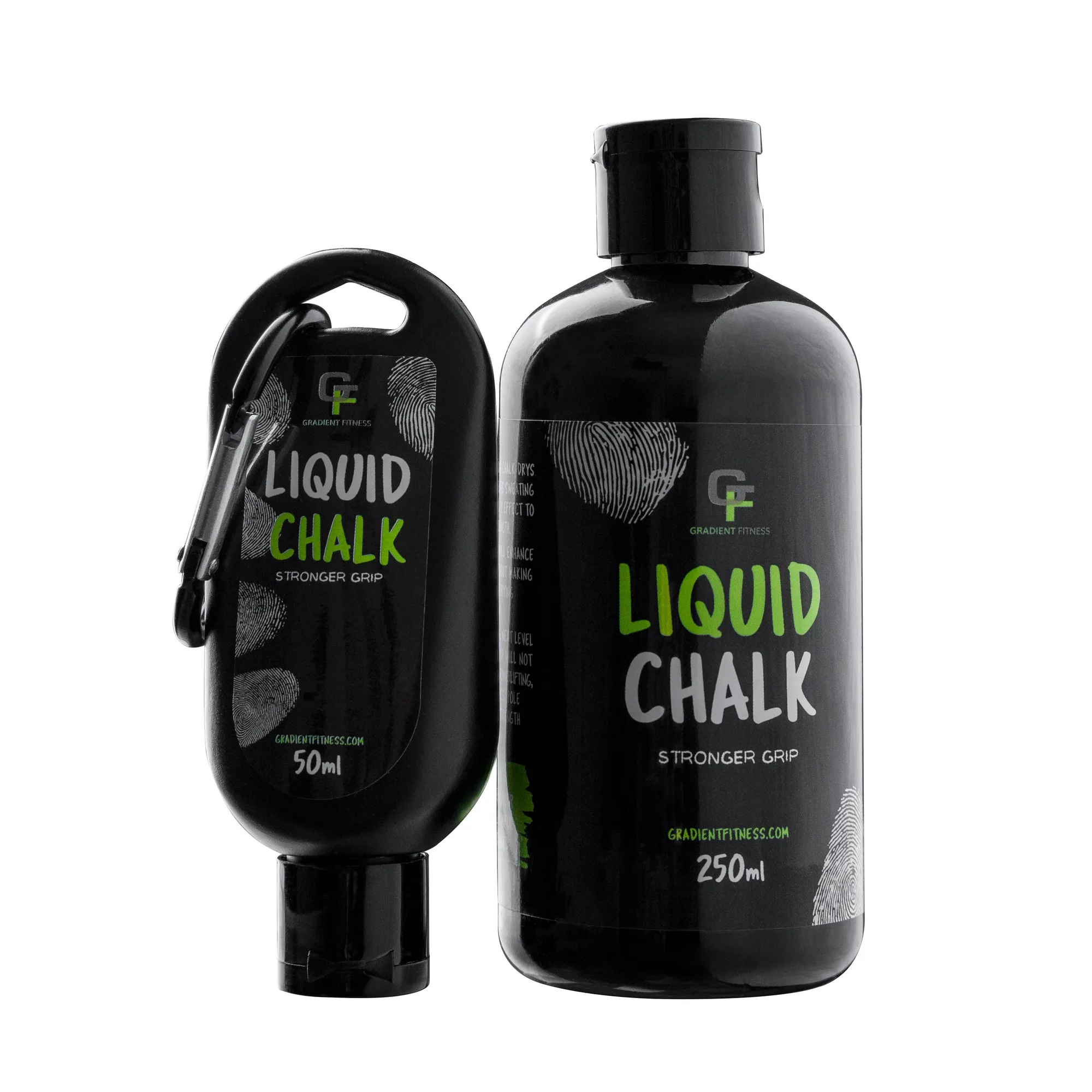
- Liquid Chalk: Pro Grade: Improve on all of your lifts and climbs with our liquid chalk that keep the sweat away and your hands dry! Long Lasting Formula: Our gym chalk lasts your entire workout without the need to reapply. This is the chalk itself. It dries fast and keeps hands dry, which translates directly to a more secure grip on a paddle shaft during a paddling session.
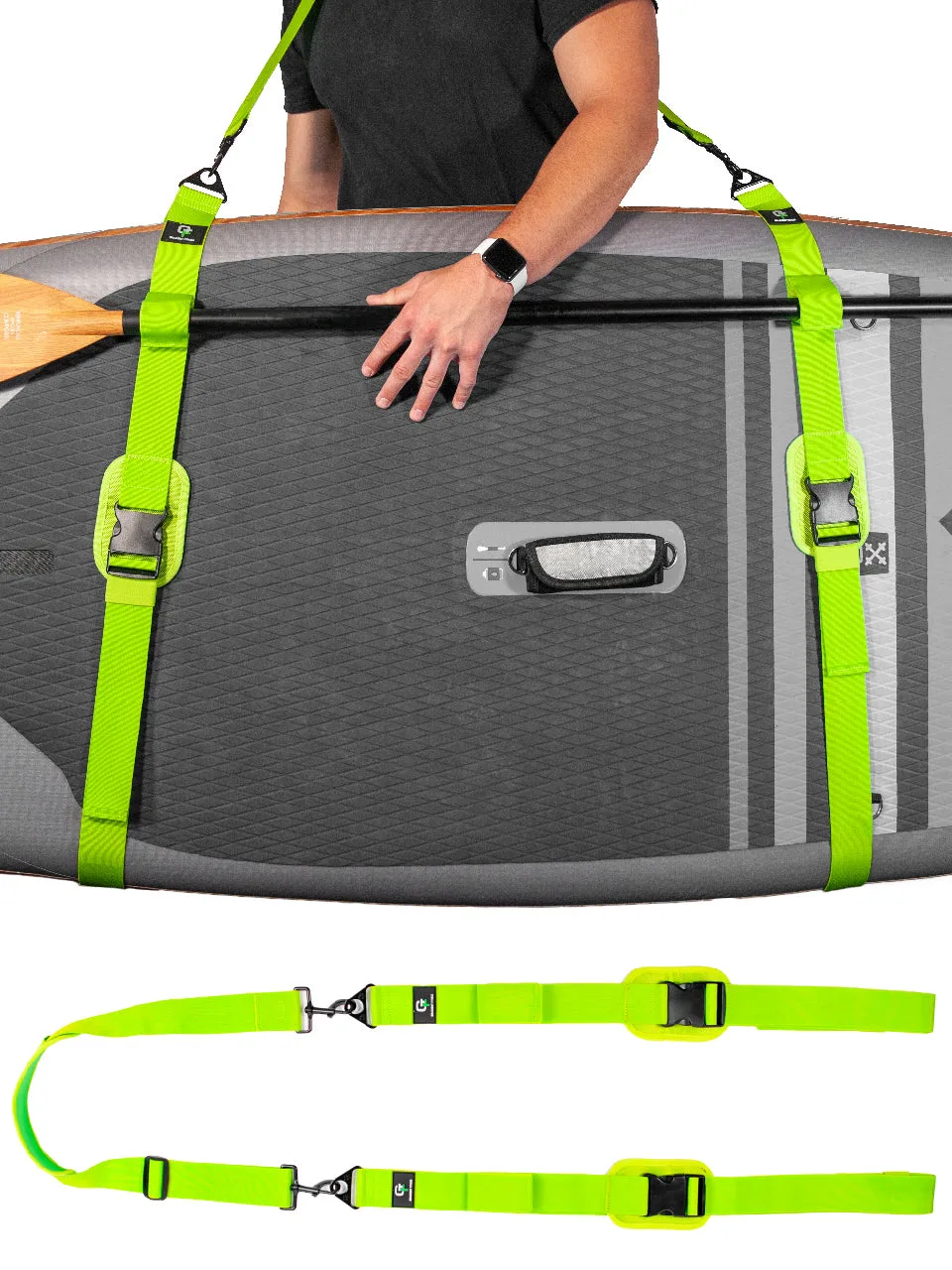
- Kayak/SUP Carry Strap: Fully adjustable tri-glide piece - the width of your board or kayak does not matter, one size fits all. Padding in front of buckles - protect the surface of your board for years to come. A padded, adjustable carry strap reduces the need to grip hard, so chalk is less critical for carrying. It also protects your board from buckle scratches.
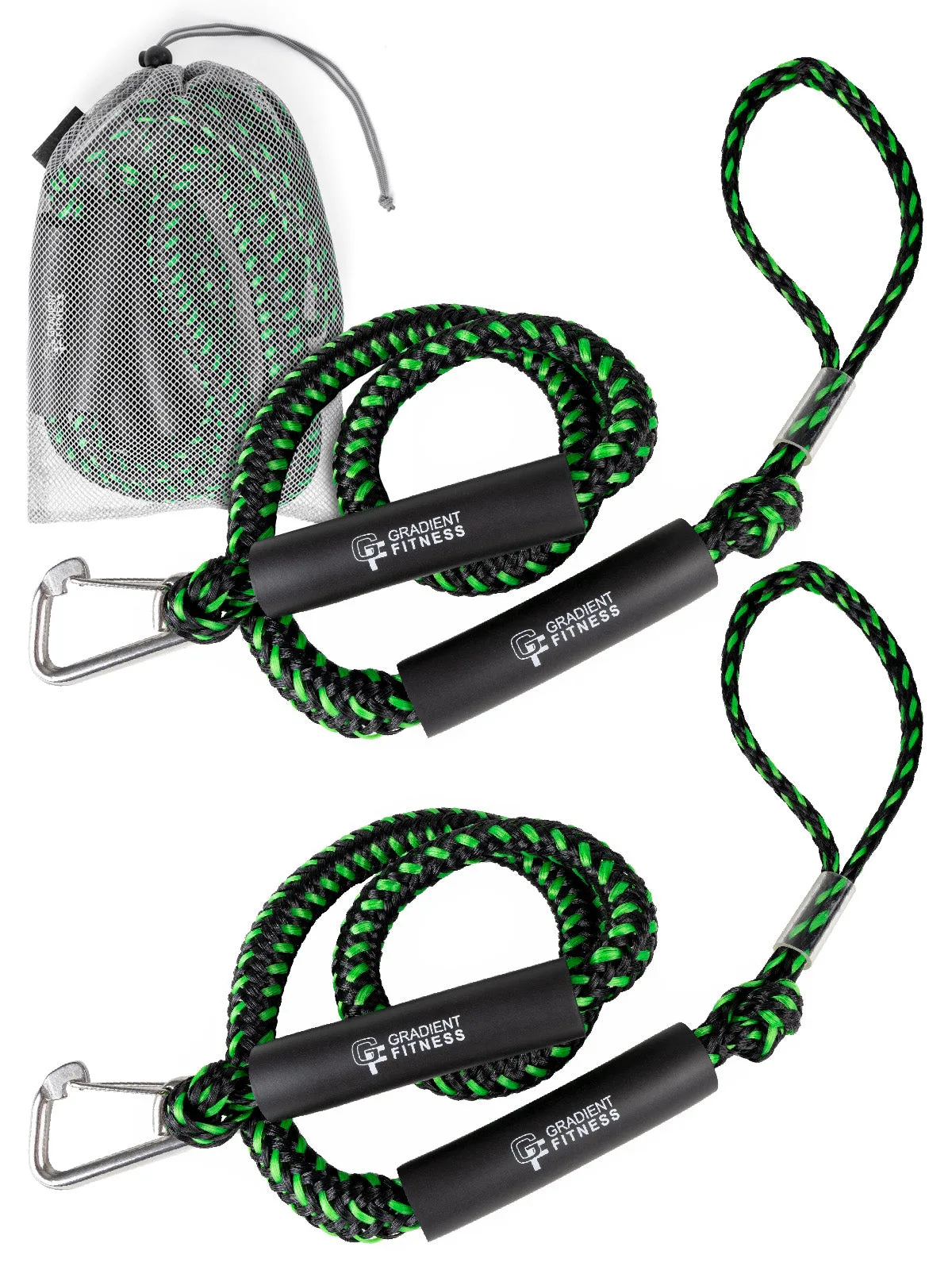
- Boat Bungee Dock Lines: Quick & Easy to Dock: The loops on our boat dock lines are easily adjustable thanks to the built-in sleeve tubes. Absorbs Shock: The bungee component of these boat accessories absorbs the shock from the impact of rough waters. Docking is a two-hand job where grip matters. Chalk can help you handle lines, but the bungee and adjustable loops do the heavy lifting for shock absorption.
Who should use liquid chalk for paddling?
Best for
- Paddlers who sweat heavily and struggle to keep a firm grip on smooth paddle shafts
- Anyone paddling in warm, humid conditions where hands stay damp
- Paddlers who want a no-mess, quick-drying grip aid they can keep in a dry bag
Not for
- Anyone looking to make a wet boat deck less slippery—use non-slip decking instead
- Paddlers who already use gloves that provide enough grip
- People who prefer dry chalk blocks and don't mind the dust