Quick answer
Choose a liquid probiotic if you want a drinkable, herb-and-prebiotic formula and will keep it refrigerated or chilled as directed. Choose capsules if you need a shelf-stable, pre-measured dose that travels easily. For most daily routines, the best probiotic form is the one you will actually take consistently.
What each format actually contains
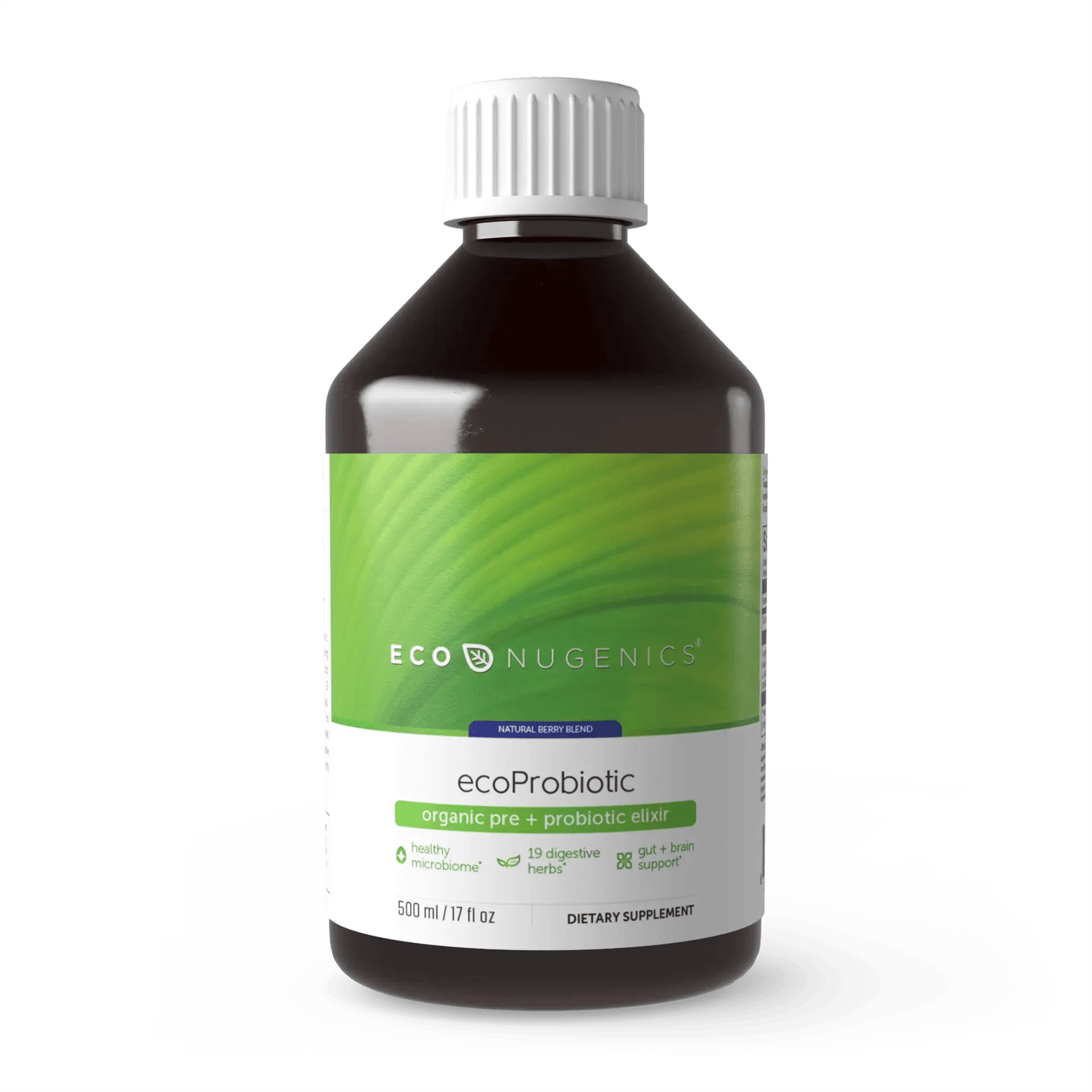
Format changes more than convenience. ecoProbiotic is an organic liquid elixir with 8 clinically studied live strains, 19 digestive herbs, and prebiotic nutrients in a liquid base. A capsule probiotic typically delivers live cultures in a powder or beadlet inside a capsule shell, often with fewer added ingredients. If you want herbs and prebiotics in the same product, the elixir covers more ground; if you want a minimalist culture-only product, capsules usually fit that goal better.
Label reading matters more than the word "probiotic." Check whether the label states strain names, CFU at expiry, and whether the product is organic or non-GMO. The ecoProbiotic record lists organic status, strain count, herbs, and prebiotics, which makes it easy to compare against capsule labels that often list only total CFU.
Routine and storage: where the decision is made
Liquid probiotics usually need refrigeration or chilling, so they fit a home routine with a consistent fridge shelf. Capsules are easier to keep in a bag, desk drawer, or carry-on, which is why they suit commuters and frequent travelers. Neither format is inherently stronger; the practical question is whether you will remember to take it at the same time each day.
If your mornings are rushed, a liquid elixir can be measured and taken in seconds, but it requires planning so you do not run out mid-week. Capsules are pre-portioned, so they are harder to under- or over-pour, but you still need to restock. Pick the format that matches your storage space and your tolerance for measuring.
Liquid probiotic dosage and label transparency
Liquid probiotic dosage is usually expressed as a volume, such as a teaspoon or capful, rather than a capsule count. That makes it easy to adjust, but it also means you need to read the serving size on the bottle and use the included measure. Capsules give a fixed count, which is simpler for people who dislike measuring or want an exact number each day.
For either format, look for a stated CFU count at the end of shelf life rather than at manufacture. If a label does not state strain names or expiry CFU, treat that as a limitation and ask the manufacturer before buying. The ecoProbiotic record lists strain count and organic status, which supports a more informed comparison than a generic CFU claim.
Capsule probiotic pros and cons in practice
Capsule probiotics are portable, pre-measured, and easy to swallow with water, which makes them a strong fit for travel and busy workdays. The trade-off is that many capsule formulas contain only live cultures and a carrier, so you may need separate products if you also want digestive herbs or prebiotics. Capsules can also be harder to adjust if you want to split a dose.
If you already take other capsules, adding one more is simple. If you dislike swallowing pills or want a drinkable product, a liquid elixir removes that barrier. Neither choice is better across the board; the right answer depends on which trade-off you can live with daily.
Trade-offs to weigh before you choose
- Convenience vs. control: A liquid elixir lets you measure a serving and adjust if needed, but it requires a measuring tool and careful storage. Capsules are pre-portioned and need no measuring, but the dose is fixed. Choose liquid if you want flexibility; choose capsules if you want zero measuring.
- Portability vs. home routine: Capsules travel well in a bag or carry-on and do not need refrigeration in most cases. Liquid probiotics usually need chilling, so they suit a home or office fridge rather than a backpack. Frequent traveler? Capsules are the lower-friction choice.
- Ingredient breadth vs. simplicity: The ecoProbiotic elixir includes 8 strains, 19 digestive herbs, and prebiotic nutrients, which covers more ground in one bottle. Many capsule probiotics focus on live cultures alone, which is simpler but may leave you buying herbs or prebiotics separately. Want an all-in-one? Compare the elixir label against your capsule label before deciding.
Product facts behind this comparison
- Organic Liquid Probiotic Elixir for Digestive & Immune Support: ecoProbiotic is an organic probiotic elixir with 8 clinically studied strains of live beneficial bacteria, 19 digestive herbs, and prebiotic nutrients in a highly bioavailable liquid form.* Combines live cultures, herbs, and prebiotics in one drinkable product, so you do not need separate digestive-herb or prebiotic products if this formula matches your goals.
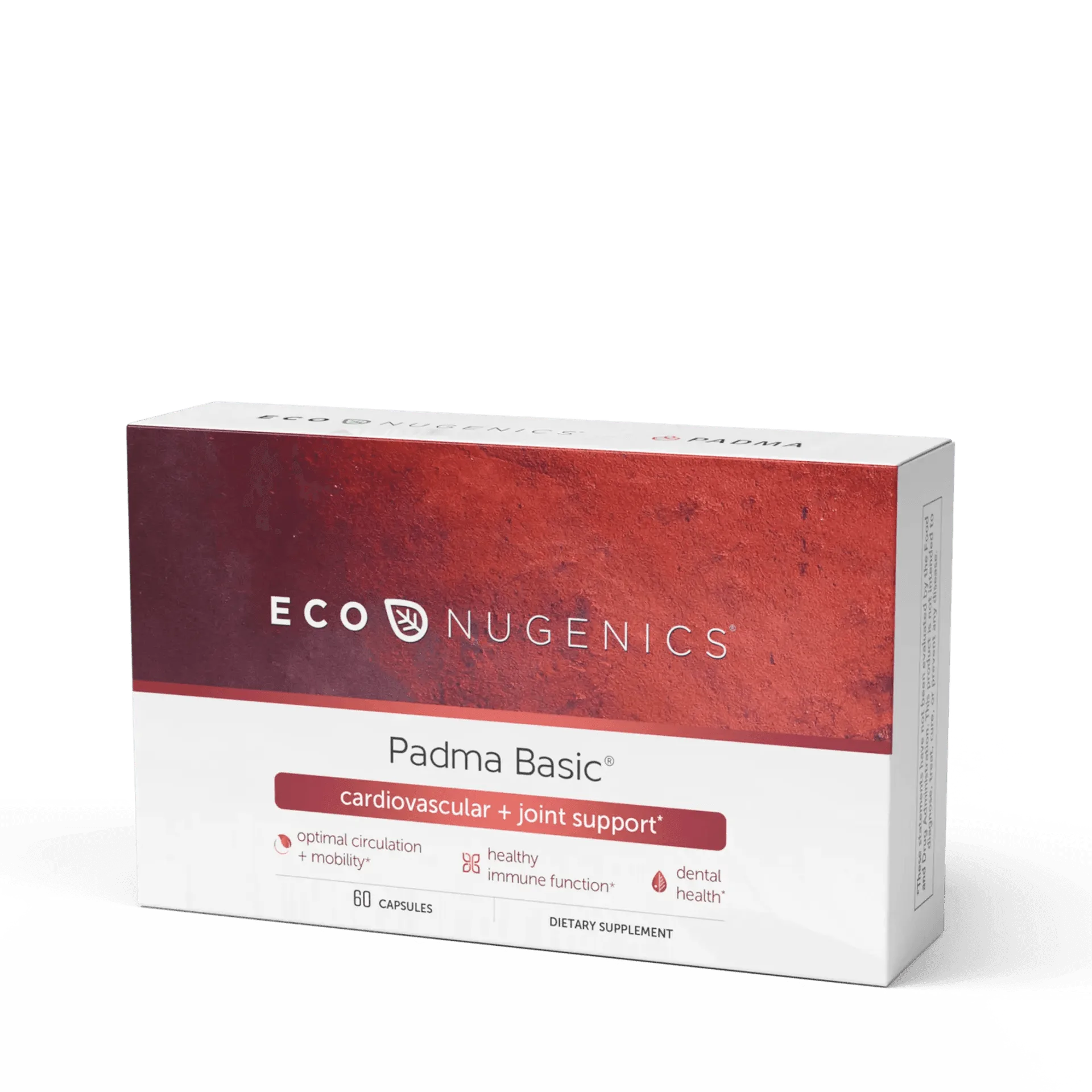
- PADMA Basic Herbal Supplement Capsules: Padma Basic is a clinically proven herbal supplement made from a blend of 19 botanicals that supports circulatory and immune health. This gluten-free, vegetarian formula is free from artificial colors, flavors, preservatives, and common allergens, with each capsule individually sealed for freshness and quality. A capsule-format example for people who prefer pre-measured, individually sealed doses and want a gluten-free, vegetarian formula without artificial additives.
Which probiotic form fits your routine?
Best for
- People who want a drinkable, organic probiotic with digestive herbs and prebiotics in one product
- Home-based routines with reliable refrigerator space and a consistent morning or evening slot
- Anyone who prefers measuring a liquid serving over swallowing capsules
Not for
- Frequent travelers who need a shelf-stable, no-measuring option
- People who dislike measuring liquids or want a fixed capsule count
- Anyone who wants a minimalist culture-only formula without added herbs