Why This Book Works for Classroom Engagement
Lisa and Theo – To Each Their Own is a collection of five high-interest, low-vocabulary (high-low) stories written entirely in dialogue. This format models authentic communication situations, making it a natural fit for B1-level French learners who need confidence-building reading material without childish content.
The book includes an audio version, so students can hear natural intonation and rhythm while following along. The five story titles—"What would you like?", "It's cold out!", "Natalie gets into trouble", "Theo takes the plunge", and "The walls have ears"—offer relatable, everyday scenarios that spark discussion.
Key Facts About the Resource
-
Lisa and Theo - To Each Their Own: The text is written as dialogue to model authentic communication situations. You can use the dialogue format for role-play and speaking practice, not just reading comprehension.
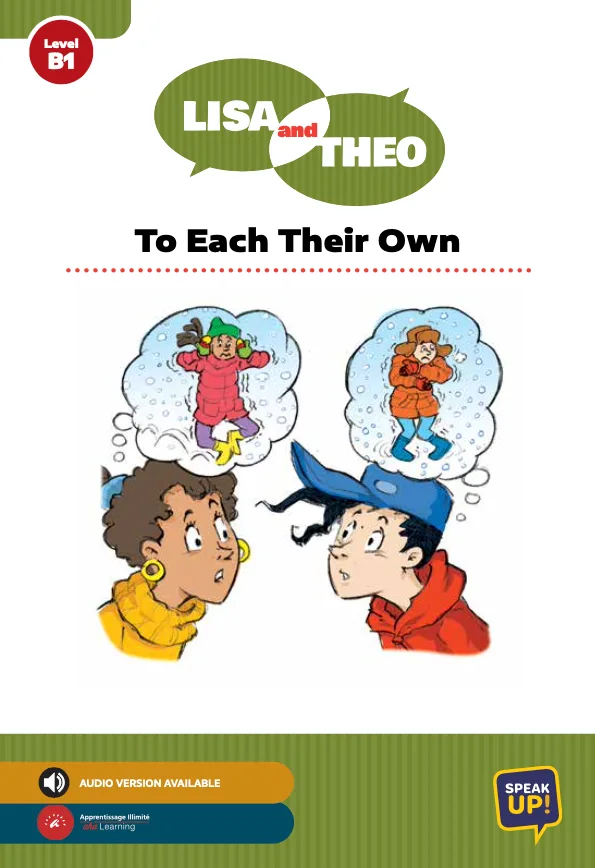
Lisa and Theo - To Each Their Own
-
Lisa and Theo - To Each Their Own: Audio version is included. Students can practice listening comprehension and pronunciation by following the audio while reading.
-
Lisa and Theo - To Each Their Own: High interest – low vocabulary (high-low) design for B1 level. The content is age-appropriate and engaging but uses simpler language, reducing frustration for intermediate learners.
Three Activity Ideas for the Classroom
- Dialogue Role-Play: Assign pairs of students one of the five stories. Have them read the dialogue aloud, then perform it for the class without the book. The audio version can serve as a model for pronunciation and expression.
- Listening and Sequencing: Play the audio for a story without showing the text. Give students a scrambled list of sentences from the story and ask them to put them in order. This builds listening comprehension and attention to sequence.
- Creative Writing Extension: After reading a story, ask students to write a short continuation in dialogue form. For example, what happens next after "Theo takes the plunge"? This encourages creative use of vocabulary and structures from the story.
Tips for Maximizing Student Engagement
Because the stories are short and focused, you can complete one story per class session without losing momentum. Start with a listening-first approach: play the audio, then discuss what students understood before revealing the text.
Encourage students to identify phrases they could use in real conversations. The dialogue format makes it easy to pull out functional language for greetings, requests, or expressing feelings. For group work, have each group take a different story and present a short skit to the class.
The high-low design means you can use the same book with mixed-ability groups—stronger readers can focus on expression and nuance, while developing readers build confidence with accessible vocabulary.