When it comes to carrying gear in the field, the foundation of your loadout matters just as much as the pouches and packs you attach. A well-chosen load platform and belt system can distribute weight evenly, keep your essentials within reach, and reduce fatigue during long missions or training sessions. But with so many options on the market, how do you pick the right one?
This buying guide breaks down the key considerations for choosing a load platform and belt system, from material and construction to compatibility and intended use. Whether you're a law enforcement professional, a military operator, or a dedicated outdoor enthusiast, understanding these factors will help you make an informed decision that fits your needs and budget.
Understanding Load Platforms and Belts
A load platform is the structural base that supports your gear, whether it's a belt, a chest rig, or a plate carrier. In the context of belts, the load platform is typically a rigid or semi-rigid belt that transfers the weight of attached pouches to your hips, keeping the load stable and comfortable. The belt system includes the belt itself, plus any padding, inner belts, or attachment methods that enhance fit and functionality.
Tactical belts come in two main styles: duty belts and gun belts. Duty belts are wider (usually 2 inches or more) and designed to carry holsters, magazine pouches, and other heavy gear. Gun belts are slimmer (1.5 inches) and intended for concealed carry or lighter loads. Understanding your primary use case will narrow down the type of belt you need.
- Duty belts: wider, stiffer, designed for heavy loads and professional use.
- Gun belts: slimmer, more flexible, ideal for concealed carry and everyday wear.
- Load platforms: the base that distributes weight and supports attachments.
Key Features to Consider
When evaluating a belt system, pay attention to the material and construction. High-quality belts use durable nylon webbing, often with a stiff inner core to prevent sagging. Look for reinforced stitching and corrosion-resistant hardware, such as buckles and keepers. The width and thickness of the belt affect both comfort and load capacity—wider belts distribute weight better but may be less comfortable for all-day wear.
Attachment compatibility is another critical factor. Many tactical belts feature MOLLE (Modular Lightweight Load-carrying Equipment) webbing, allowing you to attach pouches and accessories directly. Alternatively, some belts use a two-piece design with an inner belt that threads through belt loops and an outer belt that carries gear. Consider what you already own and what you plan to attach to ensure compatibility.
- MOLLE webbing allows modular attachment of pouches and accessories.
- Two-piece belt systems offer stability and quick donning/doffing.
- Padding and breathability matter for extended wear.
Comparing Tactical Tailor Belt Options
Tactical Tailor offers a range of belt systems designed for different roles. The Super Belt is a classic choice, known for its rugged construction and versatility. It features a rigid inner core that supports heavy loads without collapsing, and its MOLLE webbing allows you to customize your setup. For those who need a lighter, more compact option, the Ergo Super Belt provides similar functionality with a focus on ergonomic comfort, making it ideal for extended wear.
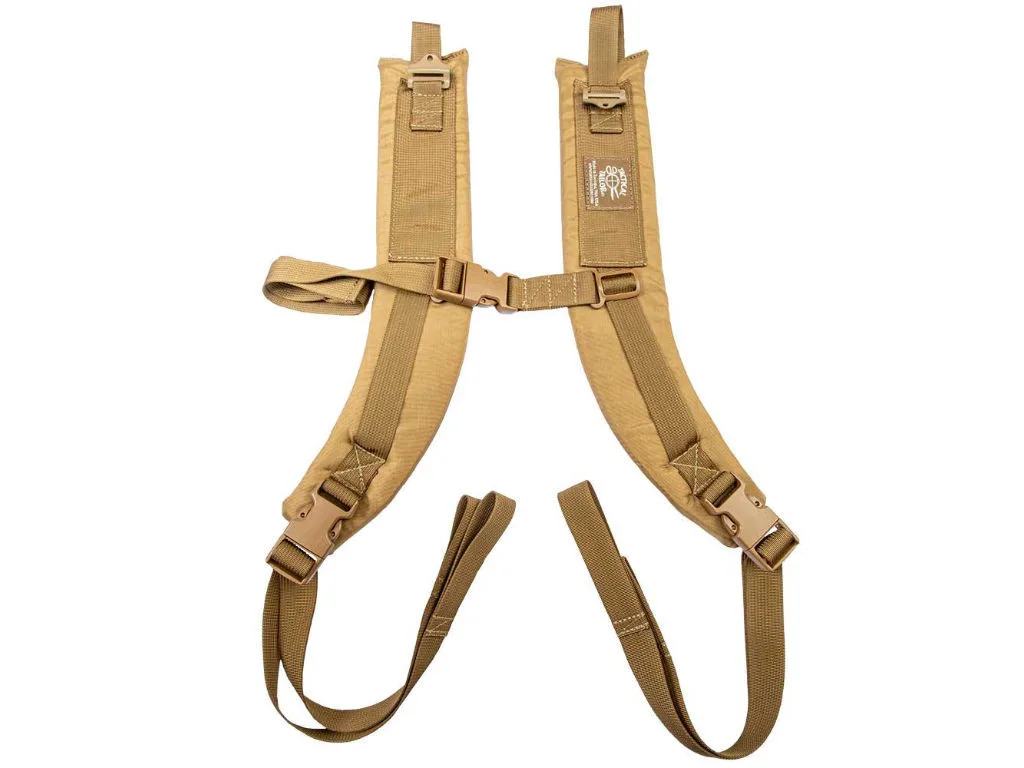
Super Belt
If you're looking to build a complete load-bearing system, consider the Load Platforms & Belts - Belts & Straps category, which includes a variety of belts and straps designed to integrate with Tactical Tailor's modular platforms. These products are engineered to work together seamlessly, ensuring that your belt, pouches, and packs function as a cohesive unit.
- Super Belt: heavy-duty, rigid core, MOLLE-compatible.
- Ergo Super Belt: ergonomic design, lighter weight, comfortable for long use.
- Load Platforms & Belts - Belts & Straps: integrated solutions for modular setups.
Choosing Based on Your Mission
Your specific use case will dictate the best belt system for you. For law enforcement or military personnel who need to carry a sidearm, extra magazines, and a radio, a duty belt with a rigid platform and MOLLE webbing is essential. The Super Belt's robust construction can handle the weight of a full duty loadout, while the Ergo Super Belt's padded design reduces pressure points during long shifts.
For outdoor enthusiasts or those who need a belt for lighter loads, a simpler gun belt might suffice. However, if you plan to attach a drop-leg holster or a hydration carrier, investing in a load-bearing belt with MOLLE will give you more flexibility. Remember to consider the climate and duration of wear—breathable materials and padding can make a significant difference in comfort.
- Duty use: prioritize rigidity, MOLLE, and load capacity.
- Concealed carry: choose a slim, stiff belt that won't sag.
- Outdoor recreation: balance comfort and functionality.
Maintenance and Care Tips
To extend the life of your belt system, clean it regularly with mild soap and water, and allow it to air dry. Avoid exposing nylon webbing to excessive heat or harsh chemicals, which can weaken the fibers. Check buckles and stitching periodically for signs of wear, and replace any damaged components promptly.
Store your belts in a cool, dry place away from direct sunlight. If your belt has a rigid core, avoid bending or folding it sharply, as this can cause permanent deformation. Proper care will ensure your belt system remains reliable for years.
- Clean with mild soap and water, air dry.
- Inspect hardware and stitching regularly.
- Store flat or rolled loosely to maintain shape.
Choosing the right load platform and belt system is a critical decision that affects your performance and comfort. By considering the material, features, and your specific mission, you can find a belt that meets your needs. Explore Tactical Tailor's selection of belts and load platforms to find the perfect fit for your gear.