Quick answer
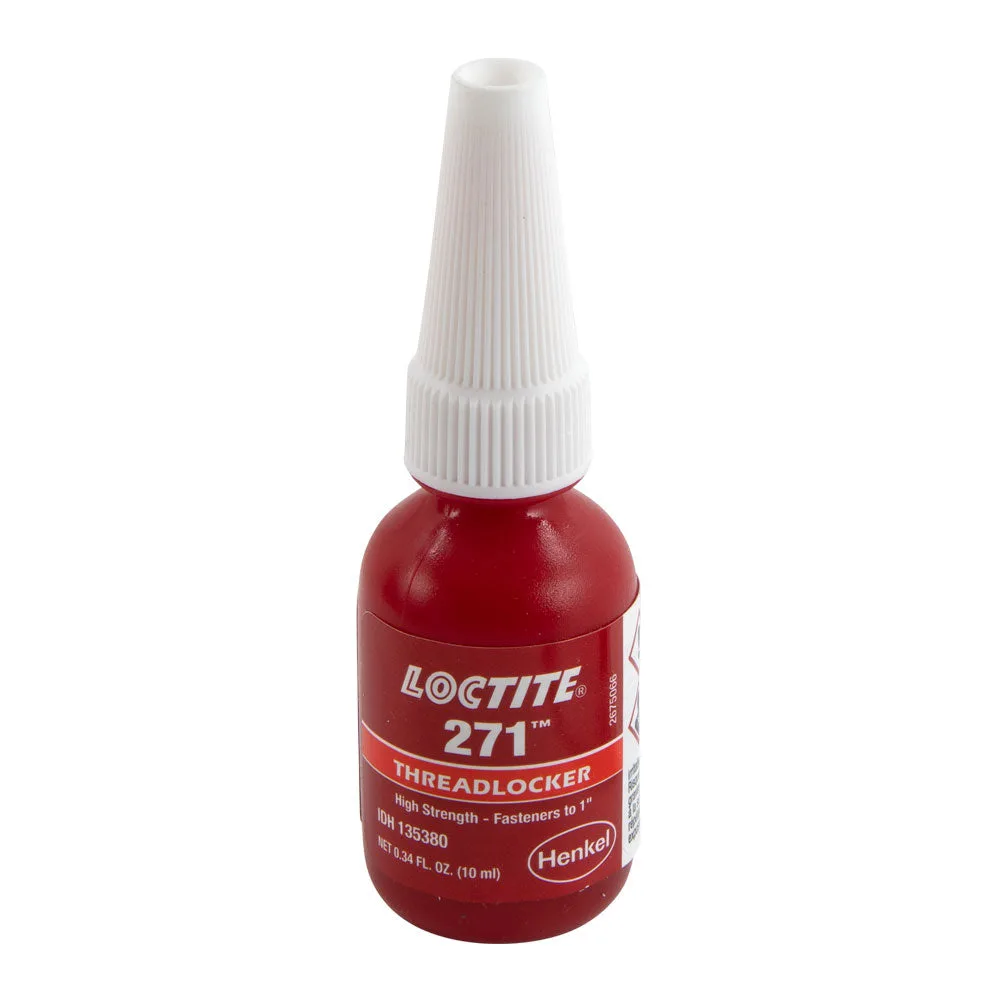
Use Loctite 271 high strength red threadlocker on clean, oil-free threads for bench mill and lathe fasteners up to 1 inch diameter that must not vibrate loose. Apply a few drops to the bolt threads, assemble and tighten to spec, then let it cure for 24 hours before running the machine. For fasteners you remove often, choose a medium-strength threadlocker instead.
Why bench mill and lathe fasteners loosen
Benchtop mills and lathes generate constant vibration that works even properly torqued bolts loose over time. Threadlocker fills the microscopic gaps between mating threads and cures into a solid film that resists shock and vibration. Red high strength formulas like Loctite 271 are designed for permanent locking and sealing of threaded fasteners, so they suit stationary joints such as column bolts, head bolts, and motor mounts rather than adjustment screws you change frequently.
Prep the threads before applying threadlocker
Threadlocker only bonds to clean, dry metal. Oil, cutting fluid, and old threadlocker residue prevent proper cure. Remove the fastener, wipe the threads with a clean rag, and if grease is present, clean with a suitable solvent and let it dry completely. Inspect the bolt and the tapped hole for burrs or damaged threads and chase them if needed. Skipping this step is the most common reason a threadlocker joint fails.
Apply and assemble the joint
Shake the bottle, then apply a few drops to the bolt threads, covering several threads near the middle of the engagement area. For blind holes, put a small amount in the hole as well. Thread the fastener in by hand until snug, then torque it to the machine manufacturer's specification. Over-applying wastes product and can push excess into places you do not want it, so a thin coating on the threads is enough.
Cure time and what to expect
Loctite 271 cures when confined in the absence of air between close-fitting metal surfaces. Full strength develops over 24 hours at room temperature; you can usually handle the machine sooner, but avoid heavy vibration or load until the cure completes. Cold shop temperatures slow the cure, so allow extra time in an unheated garage. Once cured, the joint resists loosening from shock and vibration and also seals against leakage.
Removing high strength threadlocker safely
Red threadlocker is intended to be permanent, so removal requires heat. Apply localized heat to the fastener, typically around 500°F (260°C), using a heat gun or small torch, then unscrew while hot. Protect nearby painted surfaces, plastic parts, and wiring from the heat. For fasteners you expect to remove often, such as gib adjustment screws, use a medium-strength threadlocker instead of red.
Where red threadlocker makes sense on a bench machine
Use Loctite 271 on fasteners that should not move under normal operation: column-to-base bolts, head bolts, motor mounting bolts, and studs that hold bearing retainers. Avoid it on lead screw nuts, gib screws, and any fastener that sets an adjustment you will need to change. If you are unsure, start with medium strength and step up to red only if vibration still loosens the joint.
Step-by-step: applying Loctite 271 to a bench mill or lathe fastener
- Disassemble and clean the threads: Remove the fastener and wipe both the bolt and the tapped hole with a clean rag. If oil or grease is present, clean with solvent and let dry completely. Checkpoint: threads should look dull and dry, not shiny or oily.
- Check fit and condition: Run the bolt in by hand to confirm it threads smoothly. Chase damaged threads or replace a stretched bolt before applying threadlocker. Mistake to avoid: applying threadlocker over damaged threads hides the problem and weakens the joint.
- Apply a few drops to the bolt threads: Shake the bottle, then apply a thin coating covering several threads in the engagement area. For blind holes, add a small amount in the hole too. Mistake to avoid: flooding the joint; excess can squeeze out and cure where you do not want it.
- Assemble and torque to spec: Thread the fastener in by hand until snug, then tighten to the machine manufacturer's torque specification using a calibrated wrench. Checkpoint: torque values are set by the machine maker, not by the threadlocker.
- Let it cure before running the machine: Allow 24 hours at room temperature for full strength. Cold shops need longer. Avoid heavy vibration or load until cured. Mistake to avoid: test running the machine immediately; partial cure means the joint can still shift.
- Remove with heat when needed: If you must take the fastener out, apply localized heat around 500°F (260°C) and unscrew while hot. Shield nearby paint, plastic, and wiring. Checkpoint: wear safety glasses and gloves whenever you use heat or break a high strength joint.
Products mentioned
- Loctite 271 High Strength Red Threadlocker: Loctite 271 High Strength, Low Viscosity Red Threadlocker for fasteners up to 1 inch (25 mm) in diameter. Low viscosity lets it wick into tight threads, and the 1 inch diameter limit covers most bench mill and lathe fasteners.
- Safety Glasses: Safety glasses with a lightweight metal frame, spring hinge temples, and a twin-bridge adjustable nose piece; meets or exceeds ANSI Z87.1. Eye protection belongs on whenever you apply heat or torque fasteners, and the adjustable nose piece keeps them comfortable during long jobs.
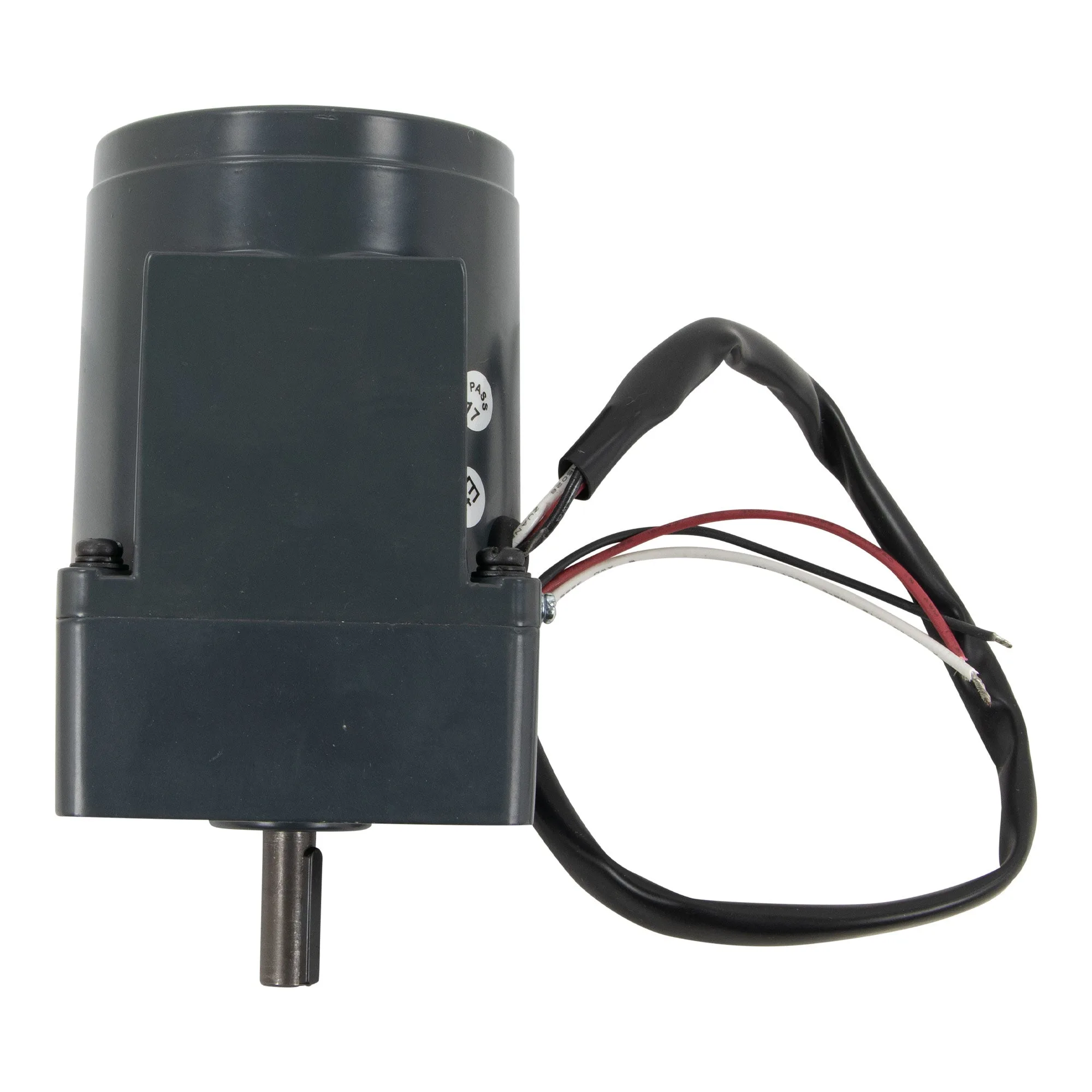
- Motor, Z-Axis Power Lift, HiTorque Bench Mill Deluxe: Z-Axis power lift motor for HiTorque deluxe large bench mill and SIEG SX3.5 large bench mills with a power lift on the Z-Axis drive. Motor and mount fasteners see constant vibration, making them good candidates for high strength threadlocker.