Quick answer
Store loose leaf tea in an airtight, opaque container away from light, heat, moisture, and strong odors. Keep it in a cool, dark cupboard rather than above the kettle or stove. Most teas taste best within 6 to 12 months of opening, though Pu'er is a special case that can improve with careful aging. Check your tea by smell and look before you brew.
You bought a beautiful loose leaf tea, brewed one perfect cup, and then watched the rest slowly lose its spark. That is not a failure of the tea. It is almost always a storage problem. Light, air, heat, and moisture are the four enemies of fresh tea, and most kitchen pantries serve up all four.
The good news is that fixing it takes about five minutes and a few good habits. This guide walks through a practical storage routine, from choosing a container to knowing when a tea is past its prime. We will also cover why Pu'er behaves differently from other teas and how to tell if your tea has gone stale.
Why loose leaf tea loses freshness
Tea leaves are dried but not dead. They contain volatile oils that give each tea its aroma and character, and those oils start fading the moment the leaves meet air. Light speeds up that breakdown, heat pushes it faster, and moisture can turn a crisp leaf soft, musty, or moldy.
Loose leaf tea has more exposed surface area than a teabag, so it is more vulnerable to its surroundings. That is also why it tastes better when fresh: more leaf means more aroma, but only if you protect it. The goal is not a perfect vacuum seal. It is simply slowing down the four enemies enough that your tea still tastes like itself weeks and months later.
- Air, light, heat, and moisture are the main causes of stale tea.
- Loose leaf tea is more exposed than teabags, so storage matters more.
- Strong smells nearby can transfer into tea leaves over time.
Choose the right container
An airtight, opaque container is the single best investment for tea storage. Metal tins with a tight-fitting lid work well, especially if they block light. Clear glass jars look lovely on a shelf but let light through, so keep them in a dark cupboard if you use them. Resealable bags are fine for short-term storage but tend to let in more air with each opening.
Size matters too. A container that is mostly full has less air inside, which means less oxygen to stale your tea. If you buy tea in bulk, consider splitting it into a smaller everyday container and a larger stash container you open less often. That way you are not exposing the whole supply every time you brew a cup.
- Pick an airtight, opaque container with a secure lid.
- Match container size to the amount of tea to limit trapped air.
- If you use a clear jar, store it inside a dark cupboard.
Set up your pantry for tea storage
The best spot for tea is a cool, dark, dry cupboard away from the stove, kettle, dishwasher, and window. Heat and steam from cooking are quiet freshness killers. If your pantry is above the oven or next to the fridge, find a different shelf. A consistent temperature matters more than a cold one.
Keep tea away from strong-smelling items like spices, coffee, onions, and cleaning supplies. Tea leaves absorb odors easily, and a once-floral tea can start smelling like last night's curry. If you store multiple teas together, keep them in separate containers rather than mixing them in one big jar, especially if you are saving a delicate white or green tea alongside a smoky black.
- Choose a cool, dark cupboard away from heat and steam.
- Do not store tea next to spices, coffee, or cleaning products.
- Keep each tea in its own container to prevent flavor mixing.
Handle tea with clean, dry hands
Every time you open a container, moisture and oils from your hands can get in. Use a dry spoon or scoop rather than reaching in with your fingers. Make sure the spoon is completely dry before it touches the leaves. A single drop of water can start a mold problem in a tightly sealed tin.
Work quickly and close the lid as soon as you have measured your tea. Leaving a container open while you boil the kettle or answer a message exposes the leaves to air and humidity. It sounds fussy, but it is the easiest habit to build and one of the most effective for keeping tea fresh longer.
- Use a dry spoon, never wet fingers.
- Close the lid immediately after scooping.
- Do not leave the container open while you brew.
Does tea expire?
Tea does not spoil in the way milk or meat does, but it does lose quality over time. Most loose leaf teas are at their best within 6 to 12 months of opening, depending on the type. Green and white teas tend to fade faster, while black, oolong, and herbal blends hold up a little longer. After that window, the tea is not unsafe, but it will taste flatter and less complex.
The exception is Pu'er, a fermented tea from China's Yunnan province. Unlike other teas, Pu'er is often stored to age and develop. It still needs protection from moisture, odors, and extreme heat, but it can improve over years rather than decline. If you are new to Pu'er, start with a small amount and taste it periodically to learn how it changes.
- Most teas are best within 6 to 12 months of opening.
- Green and white teas fade faster than black or oolong.
- Pu'er is the exception and can be aged with care.
How to tell if your tea has gone stale
Your senses are the best test. Smell the dry leaves. Fresh tea should smell like its description: bright, floral, malty, or fruity. If it smells like cardboard, dust, or nothing at all, it has lost its aromatic oils. Look at the leaves too. They should be dry and roughly the color you expect. Soft, clumpy, or fuzzy leaves are a sign of moisture and should be discarded.
Brew a small cup and taste it. Stale tea often tastes flat, papery, or slightly bitter without the sweetness or complexity it once had. If it is merely a bit tired, you can still drink it, perhaps as an iced tea or in a blend. If it smells musty or looks moldy, throw it out. No storage trick can fix mold.
- Smell the dry leaves: fresh tea smells like its flavor profile.
- Look for dry, loose leaves with no clumps or fuzz.
- Taste a small cup before deciding to keep or toss.
Special notes for Pu'er tea storage
Pu'er is a fermented tea, and it is often stored to age. The goal is not to seal it away from all air, but to give it a stable environment with moderate humidity and no strong odors. A breathable wrapper or a dedicated Pu'er container is common. Avoid plastic bags that can trap moisture or impart a chemical smell.
Keep Pu'er away from other teas so it does not absorb their aromas, and check it every few months. If you live in a very humid climate, take extra care to prevent mold. If you live in a very dry climate, the tea may age more slowly. There is no single perfect method, so taste along the way and adjust.
- Pu'er needs stable humidity and airflow, not a vacuum seal.
- Store Pu'er away from strongly scented teas.
- Check periodically for mold or off smells.
Your 5-step tea storage routine
- Step 1: Pick the right container: Choose an airtight, opaque tin or jar with a tight lid. Avoid clear glass unless you store it in a dark cupboard. Match the container size to the amount of tea so there is little empty air inside. Checkpoint: the lid should seal with a firm press or twist, and no light should pass through.
- Step 2: Find a cool, dark, dry spot: Store tea in a cupboard away from the stove, kettle, window, and fridge. Keep it away from spices, coffee, and cleaning supplies that can transfer odors. Checkpoint: the spot should feel cool and dry, not warm or steamy.
- Step 3: Scoop with a dry spoon: Always use a clean, dry spoon or scoop. Never use wet fingers or a damp spoon. Close the lid immediately after taking what you need. Checkpoint: if you see moisture inside the container, wipe it dry and let the tea air out briefly before resealing.
- Step 4: Label and date your tea: Write the tea name and the date you opened it on a label or the container. This helps you track freshness and rotate your stash so older teas get used first. Checkpoint: if you cannot remember when you opened it, treat it as older and taste it before serving to guests.
- Step 5: Check before you brew: Smell the dry leaves and look for clumps or fuzz. Brew a small cup and taste. If it is flat but not moldy, use it for iced tea or cooking. If it smells musty or looks moldy, discard it. Checkpoint: fresh tea smells like its flavor profile; stale tea smells like cardboard or nothing.
Products that help with tea storage
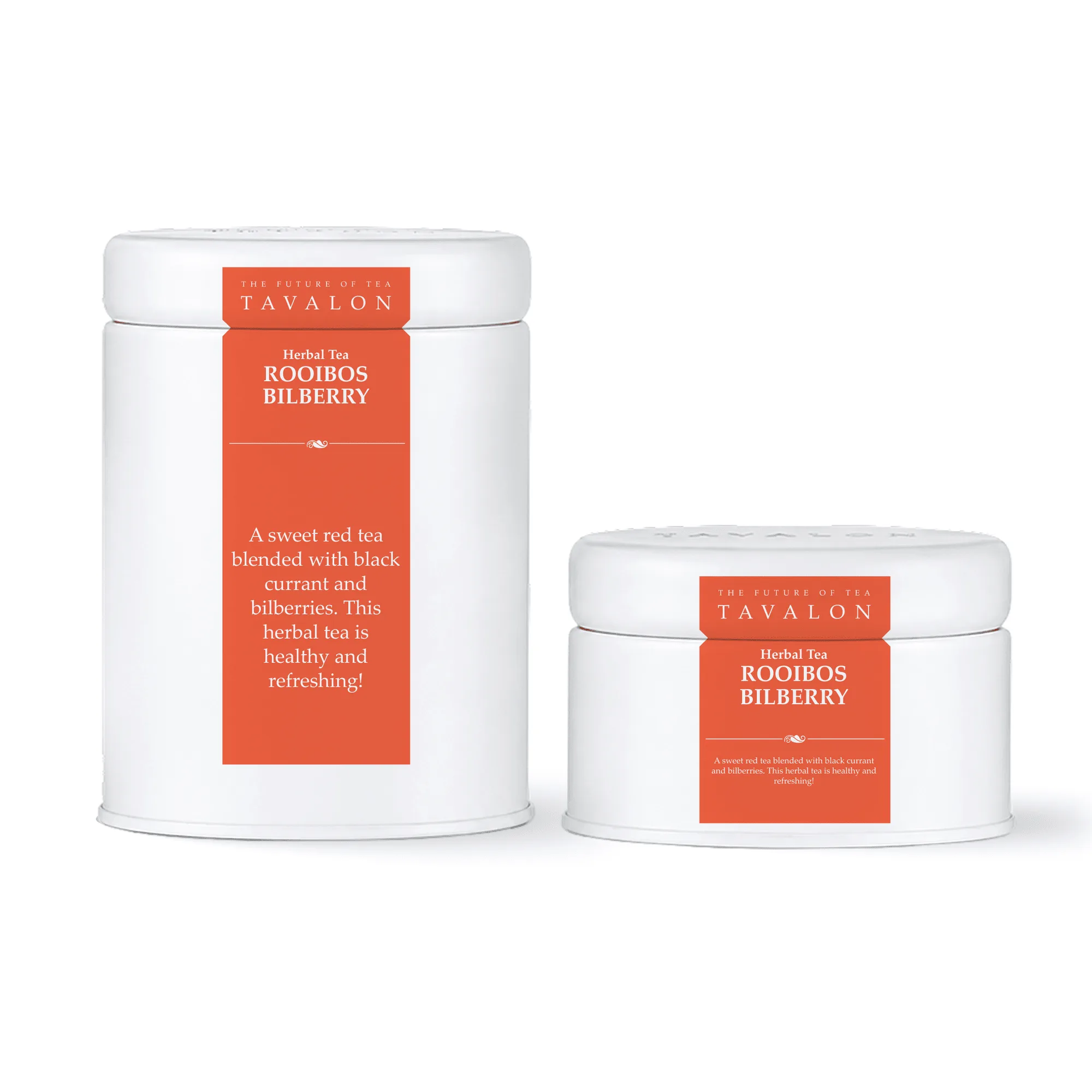
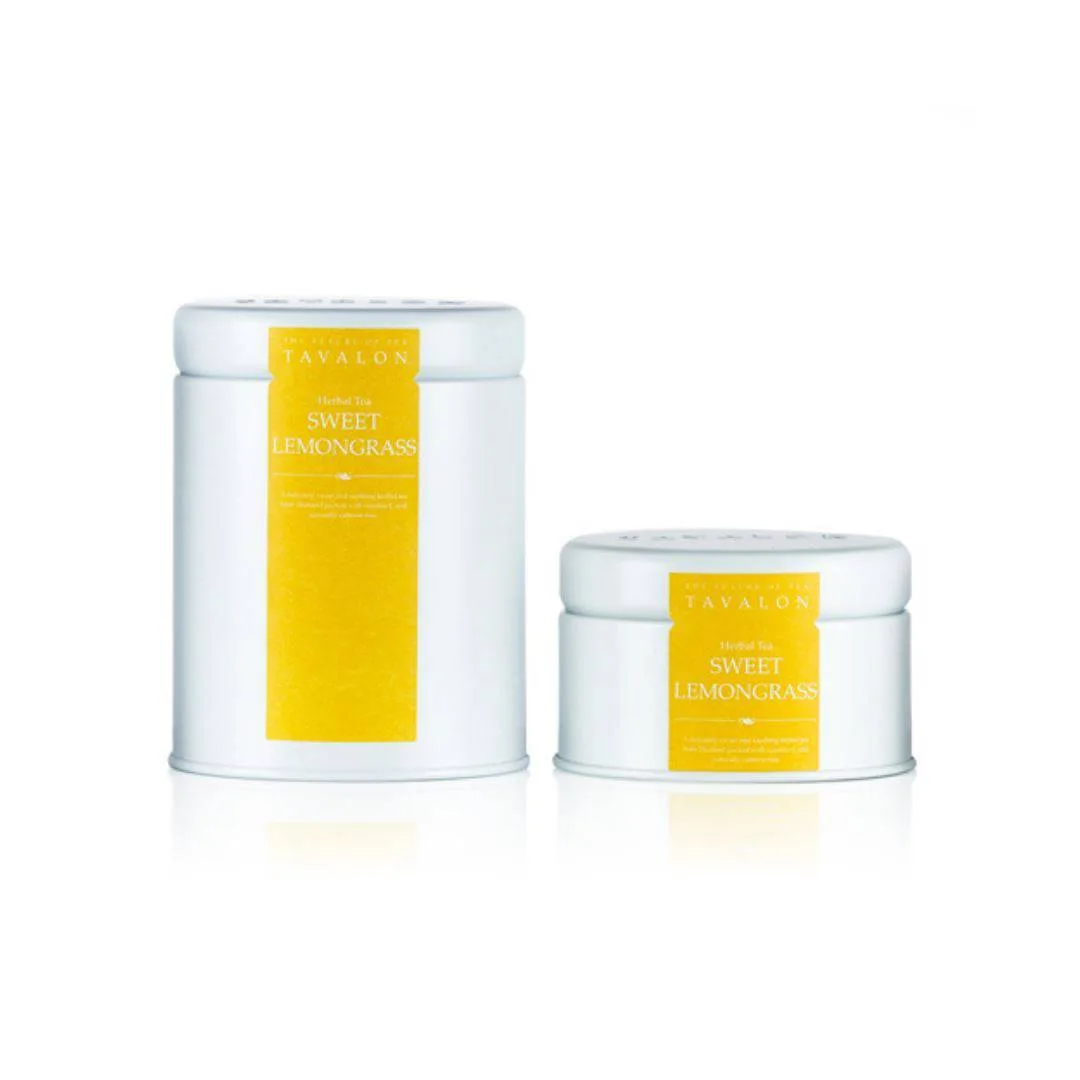
- Empty Tin: Beautifully designed in elegant white, Tavalon's empty tin keeps tea safe and sound. Small: 6cm height, 9cm diameter; Large: 12cm height, 9cm diameter. You can request a label to be included. An opaque, airtight tin is the simplest way to protect loose leaf tea from light and air. The two sizes let you keep a small everyday portion separate from a larger stash, so you open the main supply less often.
- Organic Ripe Pu'er: This unique fermented black tea from China's Yunnan province is made by fermenting whole leaves of Camellia sinensis. It features a woody and hearty flavour and aroma. Because it is a fermented tea, Pu'er is the one tea in your cupboard that may improve with careful storage rather than simply fading. Keep it away from strong odors and check it periodically.
- Rooibos Bilberry: Sweet herbal tea from the Rooibos (Redbush) plant blended with black currants and bilberries. Caffeine-free, healthy and refreshing. Herbal blends like this are caffeine-free and often enjoyed in the evening. They still need airtight storage to keep their fruity aroma from fading, especially since they contain dried fruit pieces that can absorb moisture.
Good tea storage is less about fancy equipment and more about consistency. Keep your tea airtight, cool, dark, and dry, and it will reward you with better cups for months. Start with one good tin, a dry spoon, and a cool cupboard, and you have already solved most of the problem.