Quick answer
Loose leaf tea is generally worth it if you want fuller flavor and control over strength, because whole leaves have more surface area to unfurl and release flavor. Tea bags are convenient and consistent, but many use smaller pieces that can taste flatter or turn bitter faster. You do not need fancy equipment to switch; a simple strainer or teapot is enough.
You have probably heard that loose leaf tea is better than tea bags. That claim is mostly true, but not for the reason most people think. The real difference is not the paper bag itself. It is the size and quality of the leaves inside, and how much control you have over brewing.
This guide separates the myths from the practical tradeoffs. You will see what actually changes in the cup, when tea bags make sense, and how to get a better result from whatever you already own.
Myth: Tea bags are just loose tea in a bag
Verdict: Mostly false. Many tea bags contain broken leaf pieces, fannings, or dust left over from processing. Those small particles steep fast, which is why a tea bag can go from weak to bitter in under a minute. Loose leaf tea usually keeps larger, intact leaves that unfurl gradually and release flavor more evenly.
That does not mean every tea bag is bad. Some brands use whole-leaf tea in large pyramid bags. But if you are comparing a standard grocery-store bag to a loose leaf option, you are often comparing two different grades of tea, not two ways of brewing the same thing.
- Check the dry leaf: long, whole pieces usually mean better flavor than fine dust.
- If your tea bag turns bitter in 30 seconds, it is likely broken leaf, not your steeping skill.
Myth: Loose leaf tea is always more expensive per cup
Verdict: Not necessarily. Loose leaf tea often looks pricier per ounce, but you can re-steep many whole-leaf teas two or three times. A single teaspoon of leaves can make multiple cups, while a tea bag is usually a one-time use. Over a week of daily drinking, the cost per cup can be similar or even lower.
The bigger variable is how much tea you use. If you scoop generously and steep once, loose leaf costs more. If you measure properly and re-steep, the value improves. Start with one teaspoon per 8 ounces of water and adjust from there.
- Re-steep whole-leaf black and oolong teas to stretch value.
- Use a scale if you want consistent cups and less waste.
Myth: You need special equipment to brew loose leaf
Verdict: False. You can brew loose leaf in a mug with a simple basket strainer, a French press, or a teapot with a built-in strainer. The goal is to give leaves room to expand and then separate them from the water when the tea is ready.
A teapot with a wide base helps leaves unfurl fully. For example, the Colorful Ring Teapot - Green is made with pure borosilicate glass, so it will not release chemicals or toxins when it comes in contact with boiling water. Its wide base lets tea leaves open completely, and the stainless steel strainer never touches the water while steeping, which keeps cleanup simple.
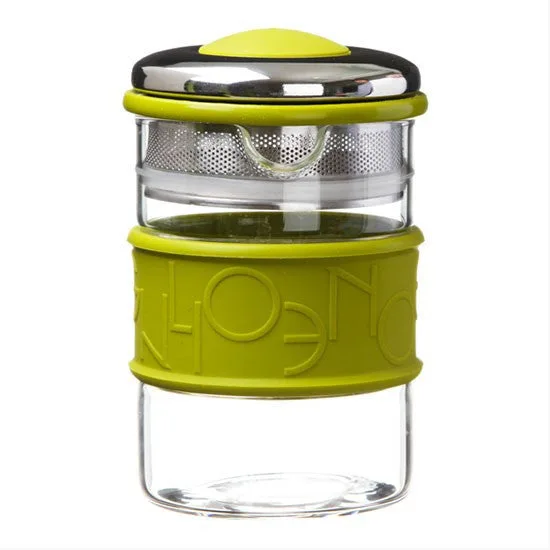
Colorful Ring Teapot - Green
- If you already own a French press, use it for loose leaf tea.
- A wide-base teapot is more forgiving than a narrow infuser basket.
Myth: Tea bags are the only convenient option
Verdict: Only if convenience means zero cleanup. Loose leaf takes about the same time to brew, but you do have to rinse a strainer or teapot afterward. For many people, that extra 20 seconds is worth the flavor difference. For others, it is not.
If you drink tea at your desk or on the go, tea bags still make sense. If you drink tea at home and care about taste, loose leaf is easy enough to become a habit. You can also pre-measure loose leaf into a small travel tin and use a basket strainer at work.
- Keep a small strainer at the office if you want loose leaf away from home.
- Tea bags are fine for travel, but do not judge all tea by them.
Myth: Loose leaf tea is always better, no matter what
Verdict: False. Better is relative to what you want. A fresh, well-sealed tea bag can beat stale loose leaf every time. Storage matters more than format. If your loose leaf sits in a clear jar on a sunny shelf for a year, it will taste flat no matter how whole the leaves were.
Buy loose leaf in amounts you will drink within a few months, and store it away from light, heat, and moisture. The same rules apply to tea bags. Format is only one part of quality.
- Buy smaller amounts more often rather than a huge bag once a year.
- Keep tea in an opaque, airtight container.
Verdicts on common claims
- Claim: Tea bags are just as good as loose leaf: Most standard tea bags use smaller leaf pieces that steep fast and can turn bitter. Whole-leaf loose tea releases flavor more gradually and can be re-steeped. Verdict: False for standard bags, but some premium whole-leaf bags are an exception.
- Claim: Loose leaf is too expensive: Loose leaf often costs more per ounce, but you can re-steep whole leaves multiple times, bringing the cost per cup closer to tea bags. Verdict: Misleading. Compare cost per cup, not per package.
- Claim: You need special equipment for loose leaf: A simple basket strainer, French press, or teapot with a strainer is enough. A wide-base teapot like the Colorful Ring Teapot - Green helps leaves unfurl and simplifies cleanup. Verdict: False. Start with what you have.
- Claim: Loose leaf is always better: Freshness and storage matter more than format. Stale loose leaf tastes worse than a fresh tea bag. Buy in smaller amounts and store airtight. Verdict: False. Quality and freshness come first.
What the catalog tells you
- Colorful Ring Teapot - Green: Made with pure borosilicate glass, this teapot will not release any chemicals or toxins when it comes in contact with boiling water. The wide base allows the tea leaves to unfurl completely letting them fully release their flavor. A convenient stainless steel strainer (which never comes in contact with water while steeping) allows for simple preparation and cleanup. If you are switching from tea bags to loose leaf, a wide-base teapot with a removable strainer makes the process easier and lets you see the leaves expand.
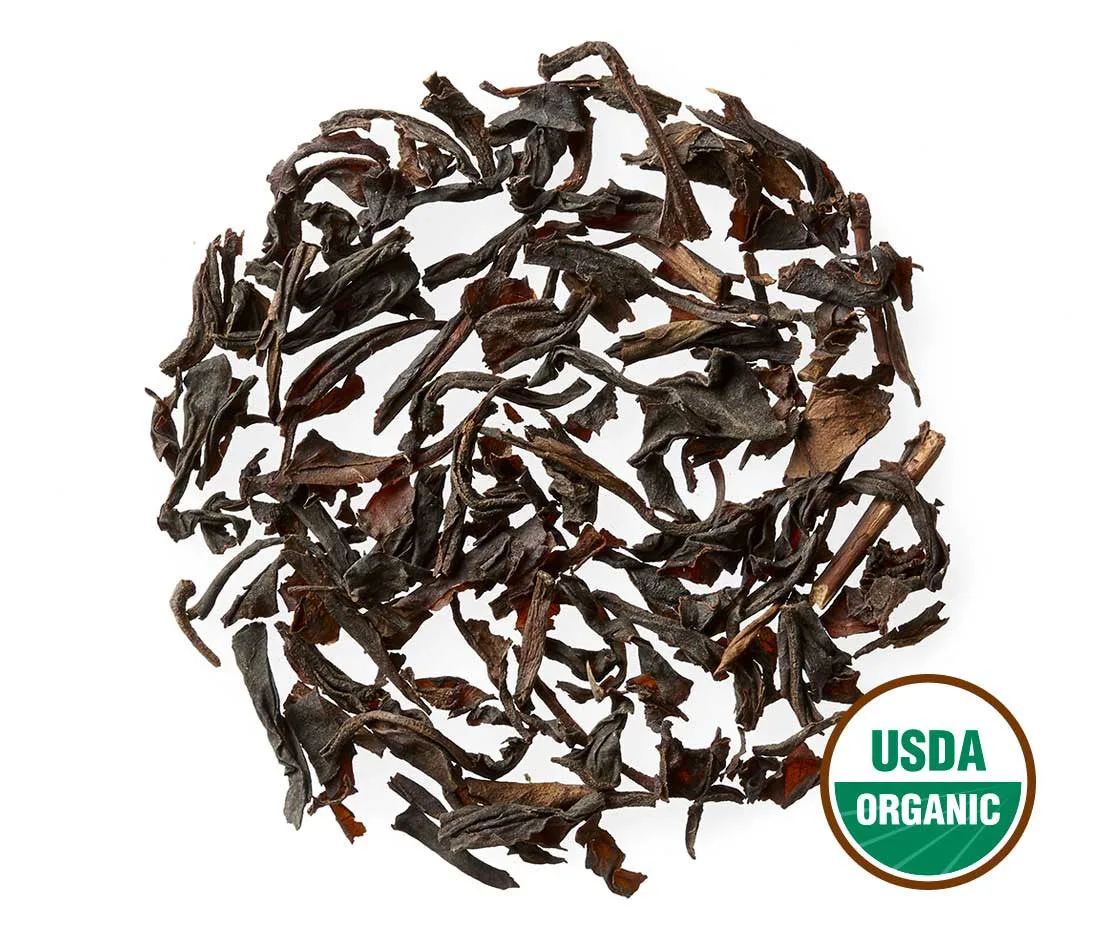
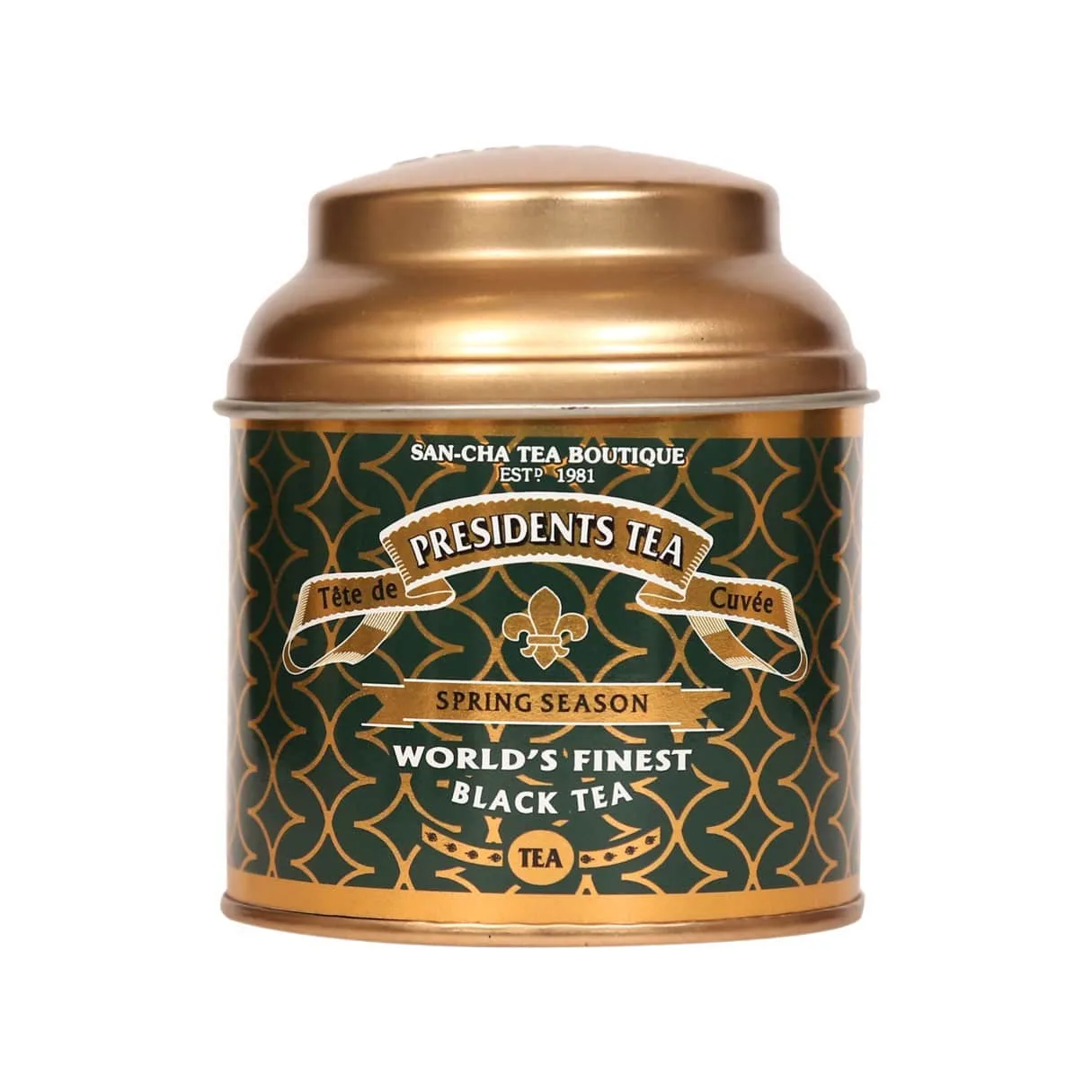
- Keemun: Keemun is generally known as China's finest black tea and has been called the 'Burgundy wine of teas.' Queen Elizabeth is rumored to prefer Keemun tea. A whole-leaf black tea like Keemun is a good test case: it shows how much smoother and more complex loose leaf can taste compared to a standard tea bag.
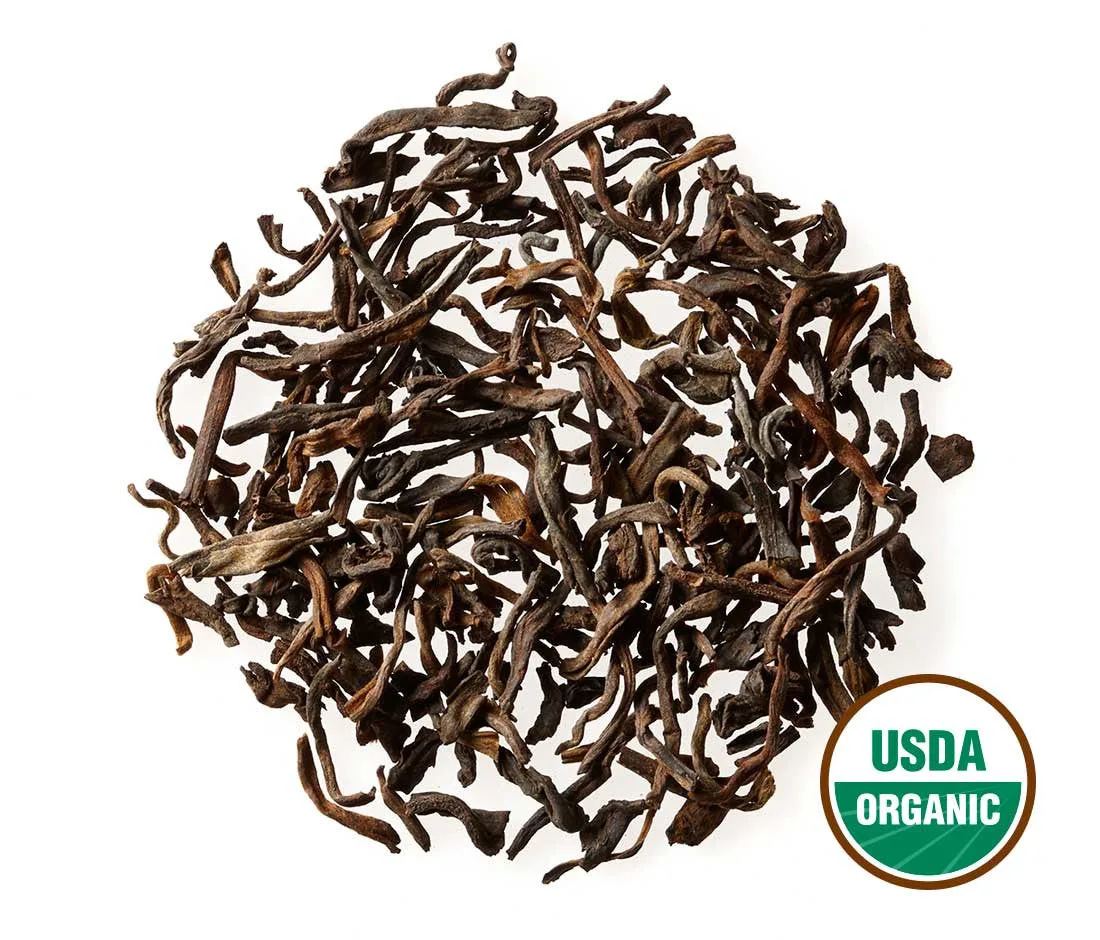
- Pu-erh: Pu-erhs are the only tea that is intentionally fermented in special caves in China giving it a deep, earthy flavor that coats your tongue. Unlike most teas, Pu-erh improves with age rather than going stale. Some loose leaf teas, like Pu-erh, change with age in ways tea bags rarely do. If you want a tea that evolves, loose leaf is the only realistic option.
If you want more flavor and control, try loose leaf with a simple strainer or teapot. If convenience is your priority, tea bags still work. The best choice is the one that fits how you actually drink tea.