Quick Answer
Loratadine 10mg is a non-drowsy antihistamine that relieves allergy symptoms like sneezing, runny nose, and itchy eyes. Take one tablet daily with water, and avoid exceeding the recommended dose.
How Loratadine Works and Why It's Non-Drowsy
Loratadine belongs to a class of antihistamines that block histamine, a chemical your body releases during an allergic reaction. Unlike older antihistamines, loratadine is less likely to cross the blood-brain barrier, which reduces drowsiness for most people.
This makes it a practical choice for daytime allergy relief when you need to stay alert. However, individual responses vary—some people still feel sleepy, so it's wise to see how you react before driving or operating machinery.
What Loratadine Does and Does Not Treat
Loratadine 10mg effectively manages symptoms of allergic rhinitis (hay fever) and hives, such as sneezing, runny nose, itchy or watery eyes, and itching of the nose or throat. It is not a decongestant, so it won't relieve nasal congestion or sinus pressure.
If you have both allergy symptoms and congestion, you may need a separate decongestant or a combination product. Always check with a pharmacist or doctor before combining medications.
Safety Considerations and When to Avoid Loratadine
Loratadine is generally well-tolerated, but it's not suitable for everyone. If you have liver or kidney disease, or are pregnant or breastfeeding, talk to your doctor before use. Avoid alcohol, as it may increase the chance of drowsiness.
Do not take loratadine with other antihistamines unless directed by a healthcare provider. Overdosing can cause serious side effects like rapid heartbeat or hallucinations—seek medical help immediately if you suspect an overdose.
Common Questions About Loratadine 10mg
What is the correct loratadine dosage?
For adults and children 6 years and older, the typical dose is 10mg once daily. Do not take more than 10mg in 24 hours. For children under 6, consult a doctor for the right dose. Always check the product label and talk to a pharmacist if you're unsure about the right dose for a child.
How should I take loratadine?
Swallow the tablet whole with water. You can take it with or without food. Try to take it at the same time each day to maintain consistent relief. Set a daily reminder to help you remember your dose.
What are common loratadine side effects?
Common side effects include headache, dry mouth, and fatigue. Serious side effects like fast heartbeat, weakness, or difficulty breathing are rare—seek medical help if they occur. If you experience any severe symptoms, stop taking loratadine and contact a healthcare provider.
How long does loratadine take to work?
Loratadine typically starts working within 1 to 3 hours after taking it, and its effects last for 24 hours. Plan to take your dose about an hour before you need relief, such as before outdoor activities.
Can I take loratadine with other medications?
Loratadine may interact with certain medications, including some antidepressants, antifungals, and antibiotics. Always tell your doctor or pharmacist about all medications you take. Use a single pharmacy for all prescriptions to help catch potential interactions.
Is loratadine safe during pregnancy?
Most studies suggest loratadine is generally considered safe during pregnancy, but you should always consult your healthcare provider before taking any medication while pregnant or breastfeeding. Have a conversation with your doctor before starting loratadine if you are pregnant or nursing.
Loratadine Product Facts
-
Tablet Loratadine 10Mg 30-Box (Claritin): Tablet Loratadine 10mg comes in a box of 30 tablets and temporarily relieves runny nose, sneezing, itchy, watery eyes, and itching of the nose or throat. This product provides a 30-day supply if taken once daily, making it convenient for seasonal allergy management.
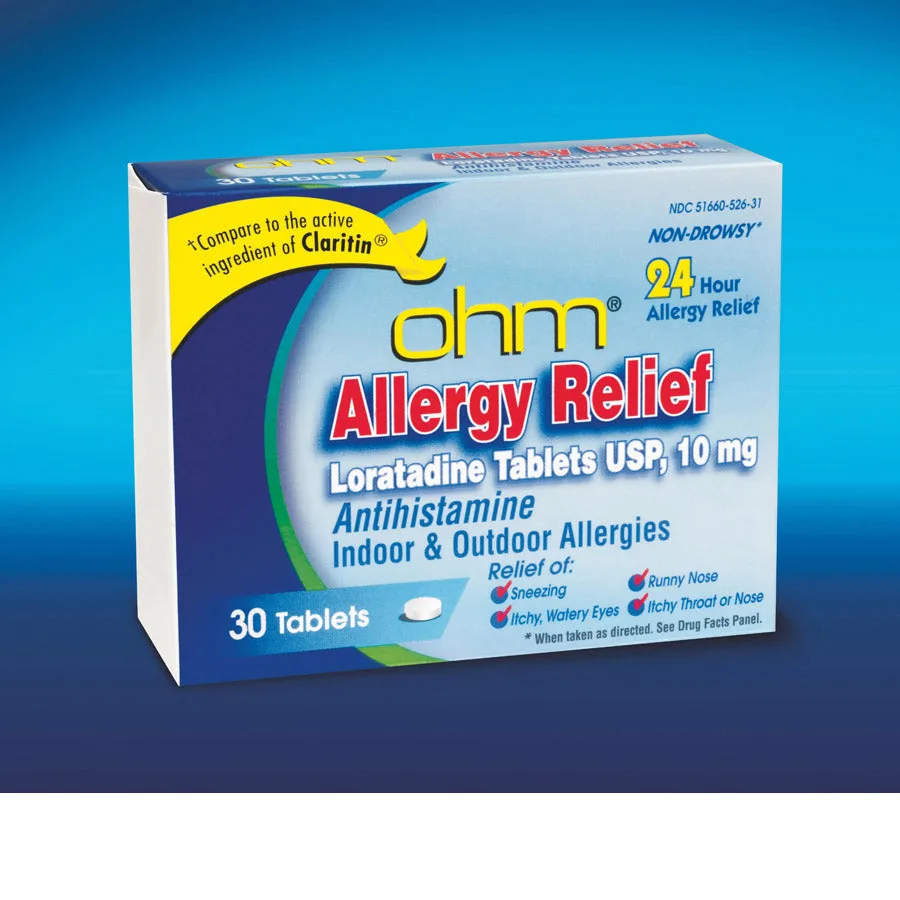
Tablet Loratadine 10Mg 30-Box (Claritin)