Quick Answer
For most outdoor applications, choose a bullet camera for its longer-range deterrence and easier installation, while dome cameras are ideal for indoor or covered outdoor areas where a discreet, tamper-resistant design matters. Consider the specific camera model and its features, such as resolution and smart lighting, to match your security needs.
When setting up a security system, one of the first decisions you'll face is choosing between dome and bullet cameras. Both have their strengths, and the right choice depends on where you plan to install them and what you want to achieve. In this guide, we'll compare Lorex A4 dome and bullet cameras to help you make an informed decision.
We'll break down the physical differences, field of view, installation considerations, and key features. By the end, you'll have clear decision rules to guide your purchase, whether you're securing a small apartment or a sprawling property.
Understanding the Physical Differences
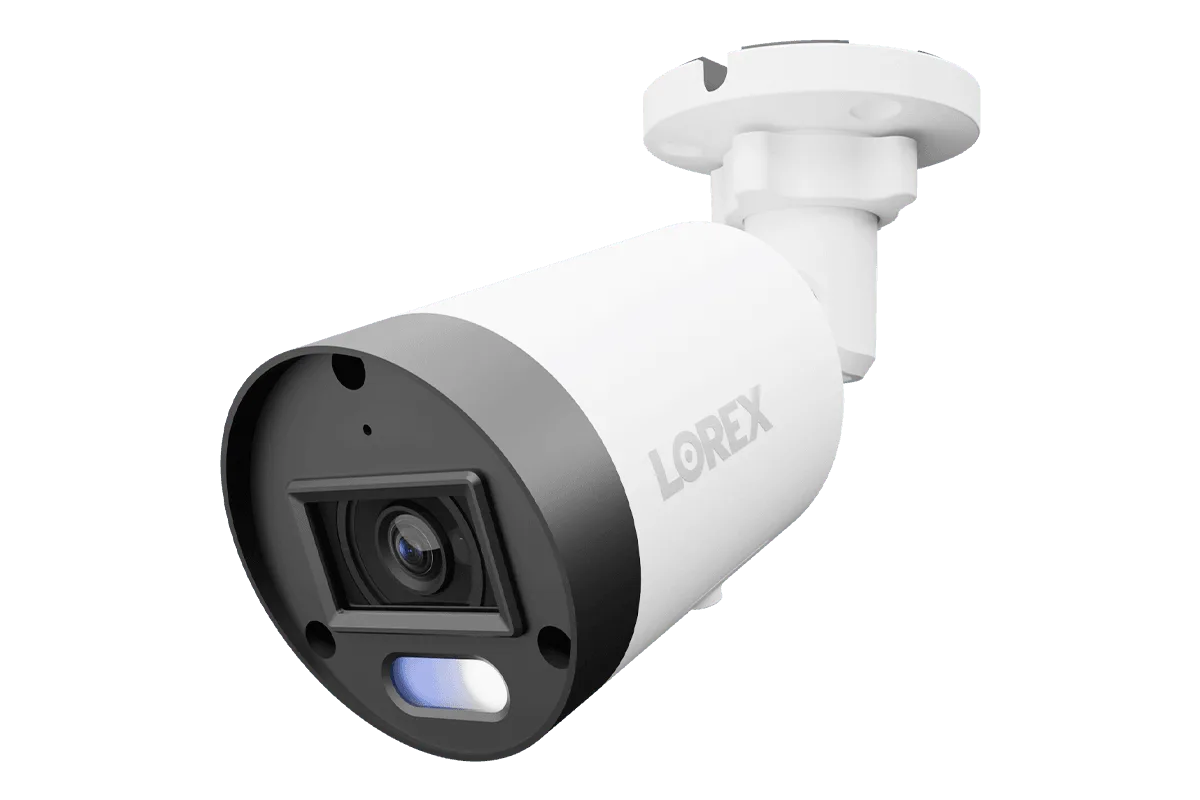
The most obvious difference between dome and bullet cameras is their shape. Dome cameras are compact and rounded, often with a dark or smoked cover that conceals the lens direction. This makes them less conspicuous and harder for intruders to determine where the camera is pointing. Bullet cameras, on the other hand, are cylindrical and more prominent, with the lens clearly visible. This visibility acts as a deterrent, signaling that the area is under surveillance.
The shape also affects installation. Bullet cameras typically come with a mounting bracket that allows for flexible positioning, including wall or ceiling mounts. Dome cameras are often mounted flush against a surface, which can be advantageous in tight spaces but may limit adjustment range. Consider your mounting location and how much you need to angle the camera.
- Dome cameras are more discreet and tamper-resistant, making them a good choice for indoor areas where aesthetics matter.
- Bullet cameras have a more intimidating presence, which can help deter potential intruders before they even approach.
Field of View and Coverage
Field of view is a critical factor in camera selection. Bullet cameras typically have a narrower, longer field of view, making them ideal for focusing on specific entry points like doors, driveways, or long hallways. Dome cameras often offer a wider field of view, but the actual coverage depends on the lens. Some dome cameras have a fixed wide-angle lens, while others may offer varifocal options.
When choosing between the two, think about what you need to monitor. If you want to cover a wide open area like a living room or backyard, a dome camera might be better. If you need to capture clear details of a license plate or a person's face at a distance, a bullet camera's narrower view can be more effective.
Installation and Positioning
Installation ease is another differentiator. Bullet cameras are generally easier to install because they come with a separate mounting bracket that allows you to adjust the angle after mounting. This is particularly useful when you need to point the camera precisely. Dome cameras, especially those with a fixed base, can be trickier to align, and some models require you to mount the base first, then attach the dome.
Indoor vs. outdoor placement also matters. Dome cameras are often preferred indoors because they are less obtrusive and more resistant to tampering (e.g., someone trying to move the camera). For outdoor use, bullet cameras are popular due to their weatherproof housing and longer-range deterrence. However, many dome cameras are also rated for outdoor use, so check the specifications.
Consider the mounting surface. Bullet cameras can be mounted on walls, ceilings, or poles with the right bracket. Dome cameras are typically mounted on ceilings or walls, and some models offer a pendant mount for high ceilings.
Key Features to Compare: Resolution, Night Vision, and Smart Features
Beyond the physical shape, the camera's capabilities are crucial. Both dome and bullet cameras come in various resolutions, from 2K to 4K and beyond. Higher resolution means more detail, which is essential for identifying faces or license plates. Night vision is also critical; look for cameras with color night vision or infrared LEDs for clear footage in low light.
Smart features like motion detection, person detection, and active deterrence (e.g., built-in lights or sirens) can enhance security. For example, some Lorex cameras have smart security lighting that turns on when motion is detected, which can scare off intruders. When comparing models, consider which features align with your security goals.
Storage is another consideration. Wired systems often come with an NVR that records locally, so you don't rely on the internet. This is a significant advantage for reliability. Some cameras also support cloud storage, but local recording is generally more secure.
Popular Lorex A4 Models: A Closer Look
To make the decision more concrete, let's look at two Lorex A4 models that illustrate the differences. The Lorex 4K Smart Security Lighting Deterrence Dome AI PoE IP Wired Camera is a dome camera with active deterrence features. It has a built-in light that can be triggered by motion, and its AI-powered detection helps reduce false alerts. This camera is suitable for both indoor and outdoor use, but its dome design makes it more discreet.
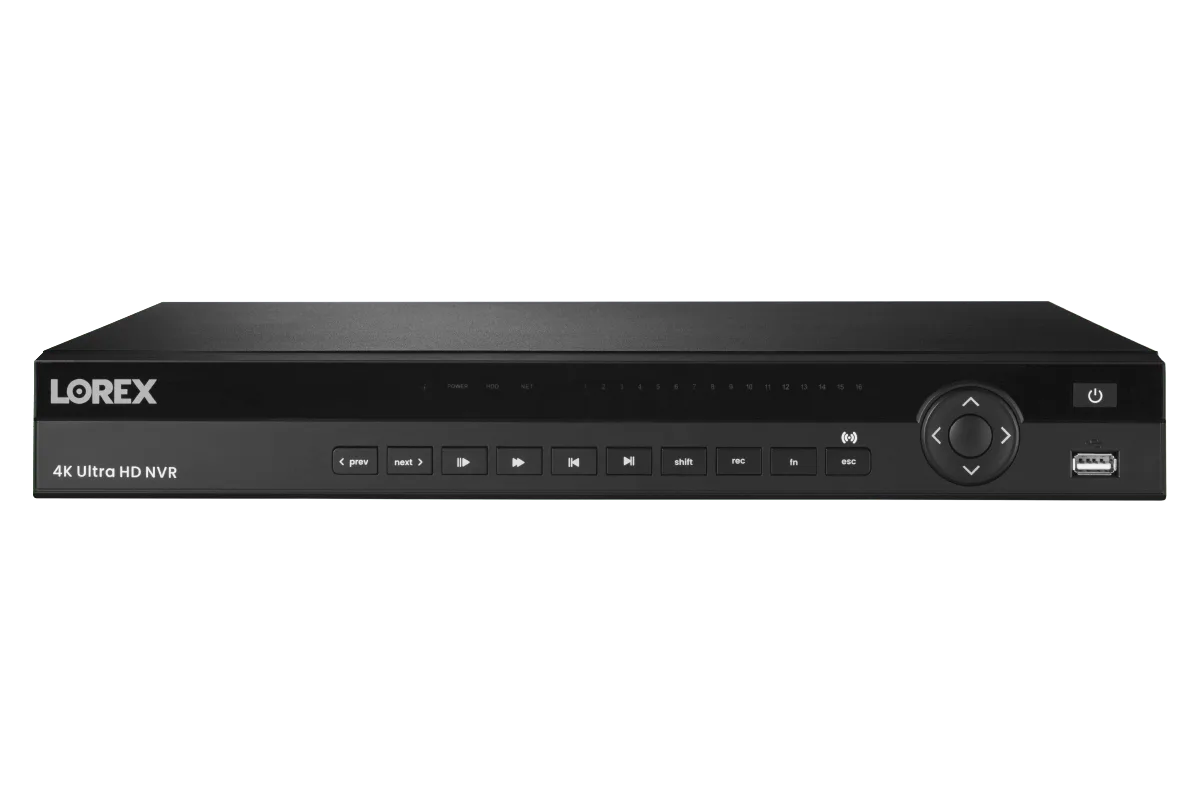
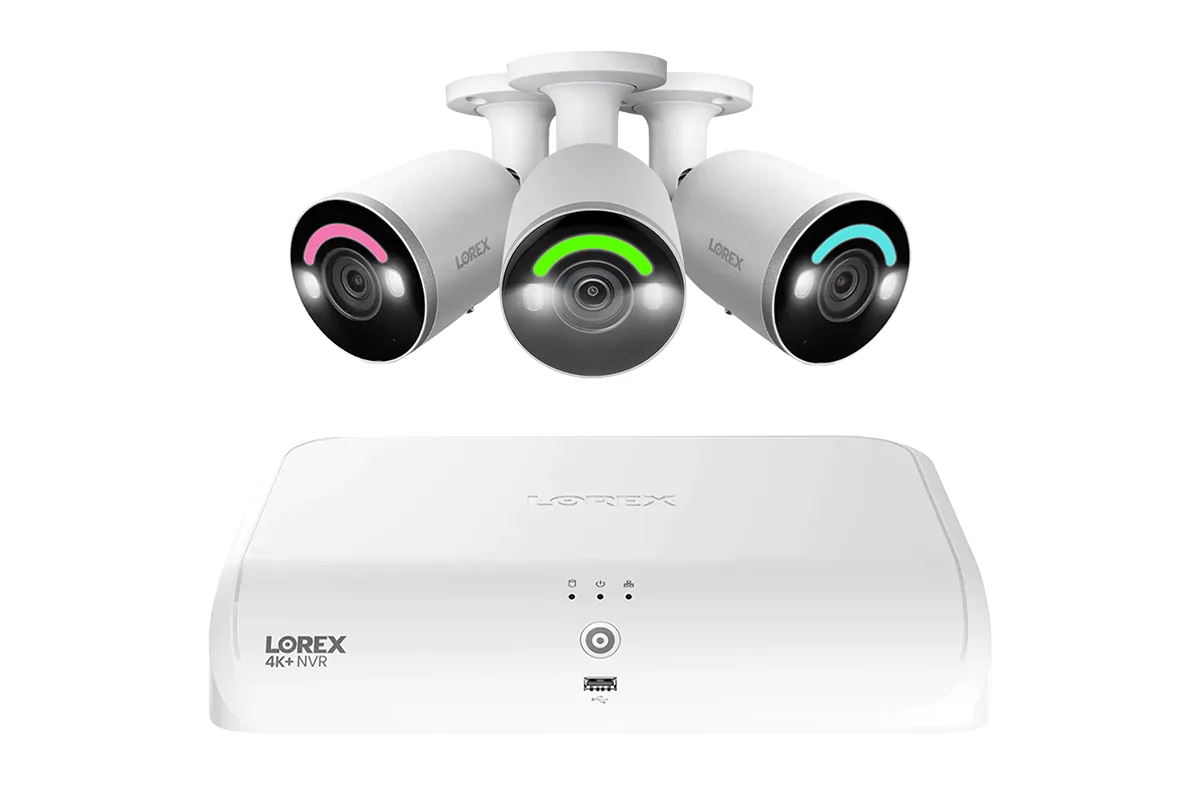
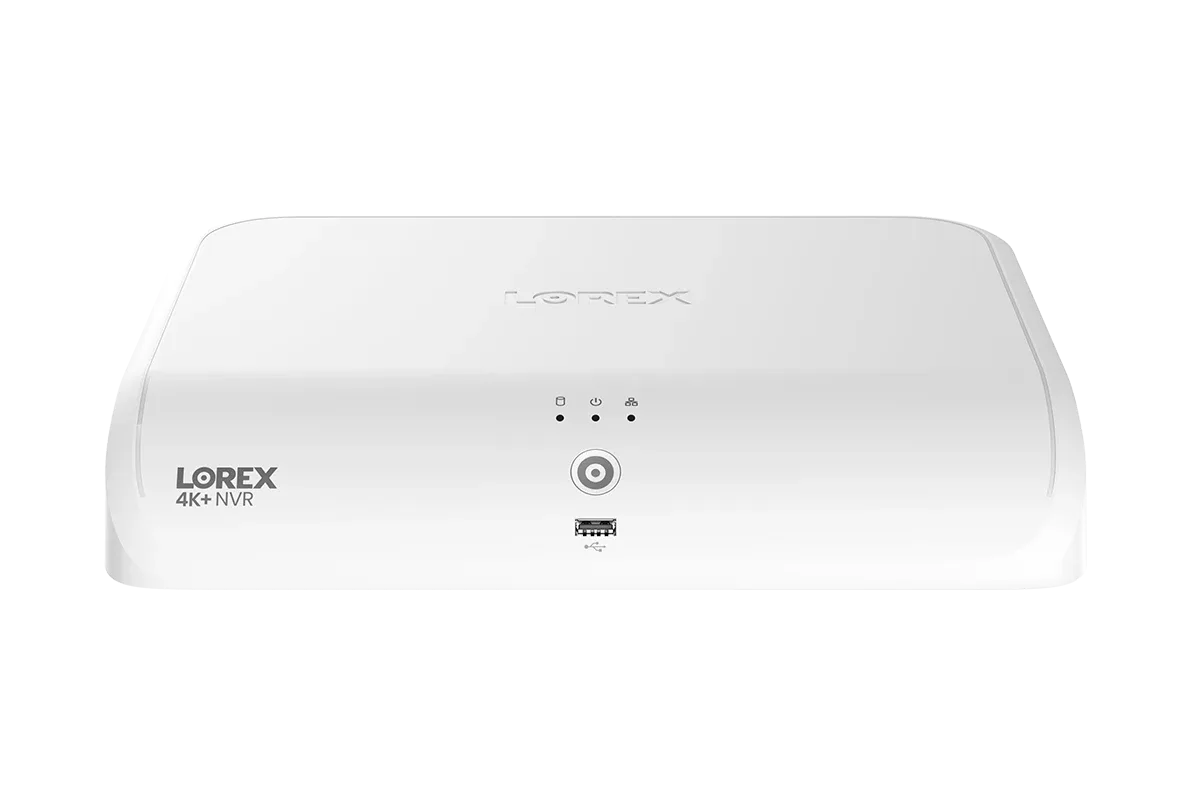
On the bullet side, the Lorex Connect V Series 4K 8-Channel Wired NVR System includes V5 4K PoE bullet cameras. These cameras deliver crystal-clear footage with color smart security lighting for 24/7 visibility. The system includes an NVR with 1TB storage, expandable to 10TB, making it a comprehensive solution for multiple cameras.
When choosing between these, consider the scope of your project. If you need a single camera with smart features, the dome model might suffice. If you're building a multi-camera system, the NVR bundle offers better value and centralized storage.
Decision Rules: Choosing Between Dome and Bullet
- Indoor vs. Outdoor: If the camera will be indoors, a dome camera is often preferred for its discreet appearance and tamper resistance. For outdoor use, a bullet camera's weatherproof housing and visible deterrent effect make it a strong choice, but ensure the dome model is rated for outdoor use if you prefer that style. Decide based on the primary installation environment.
- Field of View Needs: If you need to monitor a wide area, choose a dome camera with a wide-angle lens. If you need to capture details at a distance, a bullet camera's narrower field of view is more effective. Match the camera's field of view to the specific area you need to cover.
- Installation Flexibility: Bullet cameras are generally easier to adjust after mounting, making them ideal for tricky spots. Dome cameras may require more careful alignment during installation. Consider your installation skills and the mounting location.
- Smart Features: Compare features like motion detection, AI, and active deterrence. Some dome cameras offer smart lighting and AI, while bullet cameras in NVR bundles provide comprehensive coverage with multiple cameras. Prioritize features that align with your security goals.
Product Facts: Dome vs Bullet in Action
- Lorex 4K Smart Security Lighting Deterrence Dome AI PoE IP Wired Camera - Black (Single) - Amazon: This dome camera combines high-definition video with active deterrence, featuring built-in smart lighting and AI-powered detection. It's a wired PoE unit, suitable for indoor or outdoor placement. The smart lighting and AI detection help reduce false alarms and actively deter intruders, making it a solid choice for areas where you want both visibility and a proactive security response.
- Lorex Connect V Series 4K 8-Channel Wired NVR System with V5 4K PoE Bullet Cameras - 1TB: This system includes V5 4K PoE bullet cameras that deliver crystal-clear footage with color smart security lighting for 24/7 visibility. It comes with a 1TB NVR, expandable to 10TB. The bullet cameras provide long-range deterrence and the NVR offers ample local storage, making it ideal for covering multiple entry points and retaining detailed footage for later review.
Fit Guidance
Best For
- Homeowners wanting a discreet indoor camera with smart features like AI detection and active deterrence.
- Businesses needing a visible deterrent for outdoor perimeters, especially when combined with an NVR system for multi-camera coverage.
Not For
- Those needing a camera with a very wide field of view in a single unit; consider a pan-tilt model like the Lorex 2K Pan-Tilt Outdoor Wi-Fi Security Camera.
- Budget-conscious buyers who only need a single camera without a full NVR system; a standalone bullet camera might be more cost-effective.
Choosing between Lorex A4 dome and bullet cameras ultimately comes down to your specific needs: placement, coverage area, and desired features. Use the decision rules above to narrow down your options. For a comprehensive multi-camera setup, the Lorex Connect V Series 4K 8-Channel Wired NVR System offers excellent value with its V5 bullet cameras and expandable storage. Explore this system to see how it can enhance your property's security.