When building a home or business security system, you might find yourself torn between a traditional wired-only NVR setup and a newer hybrid system that blends wired and Wi‑Fi cameras. Both approaches have strong advocates, but the right choice depends on your property layout, installation preferences, and long-term flexibility needs. Lorex offers both types of solutions, including the popular Fusion series that lets you mix wired PoE cameras with Fusion Wi‑Fi cameras on a single NVR.
In this buying guide, we’ll break down the key differences between a wired-only NVR system and a hybrid Fusion system. We’ll compare installation complexity, camera selection, video reliability, and cost so you can decide which approach provides the best balance of performance and convenience for your unique property.
What Is a Wired-Only NVR System?
A wired-only NVR system relies exclusively on Power over Ethernet (PoE) cameras. Each camera connects directly to the NVR via a single Ethernet cable that supplies both power and data. This architecture creates a completely closed, dedicated network that is free from wireless interference and doesn’t rely on your home Wi‑Fi. Cameras are powered 24/7 as long as the NVR is on, and video feeds are transmitted without the latency or bandwidth sharing that can affect Wi‑Fi cameras.
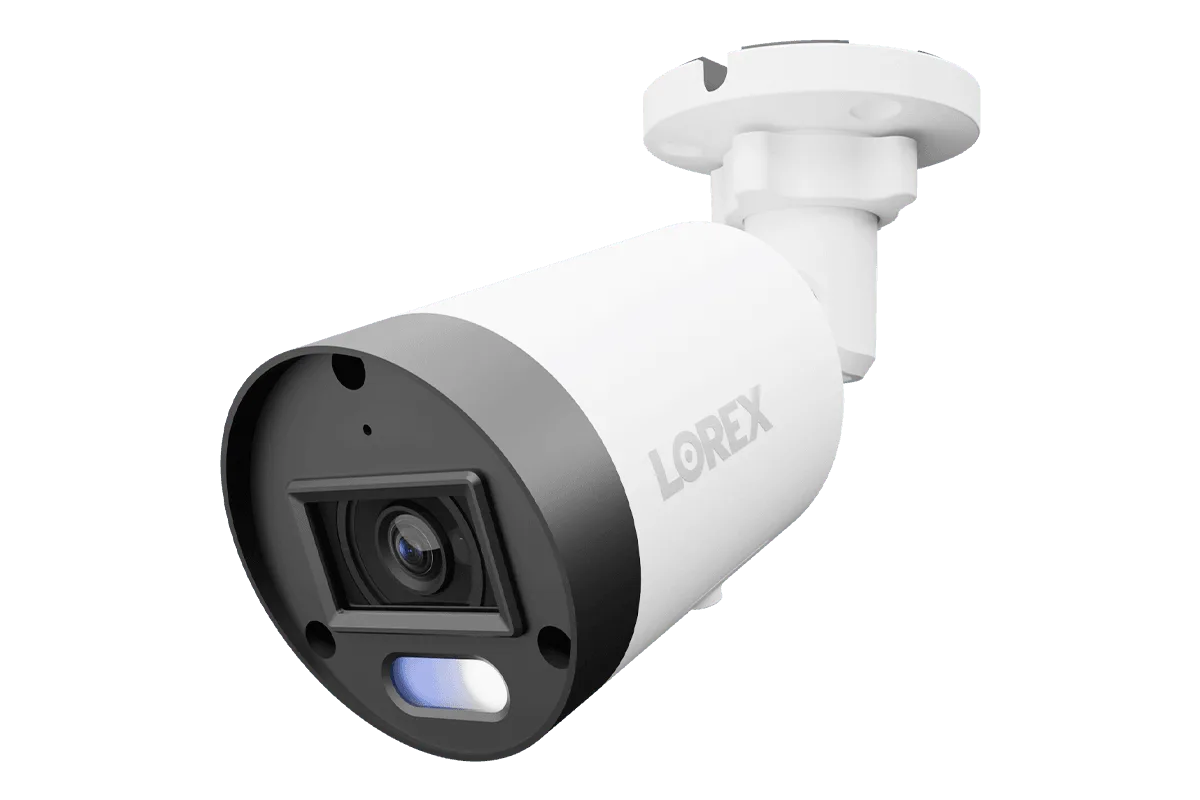
Wired-only systems are the traditional gold standard for reliability. They are ideal for new construction or properties where you can run cables through walls, attics, or conduits. Lorex offers several fully wired solutions, such as the Lorex 4K 4TB Wired NVR System with five Nocturnal 3 Bullet Cameras, four Nocturnal 3 Turret Cameras, and two 4K Pan-Tilt-Zoom Cameras. This kind of setup provides consistent high‑resolution recording and is virtually immune to signal dropouts.
- Tip: If your property is still under construction or you have easy attic access, a wired‑only installation can save you future headaches and provide the most stable video stream.
What Is a Hybrid Fusion NVR System?
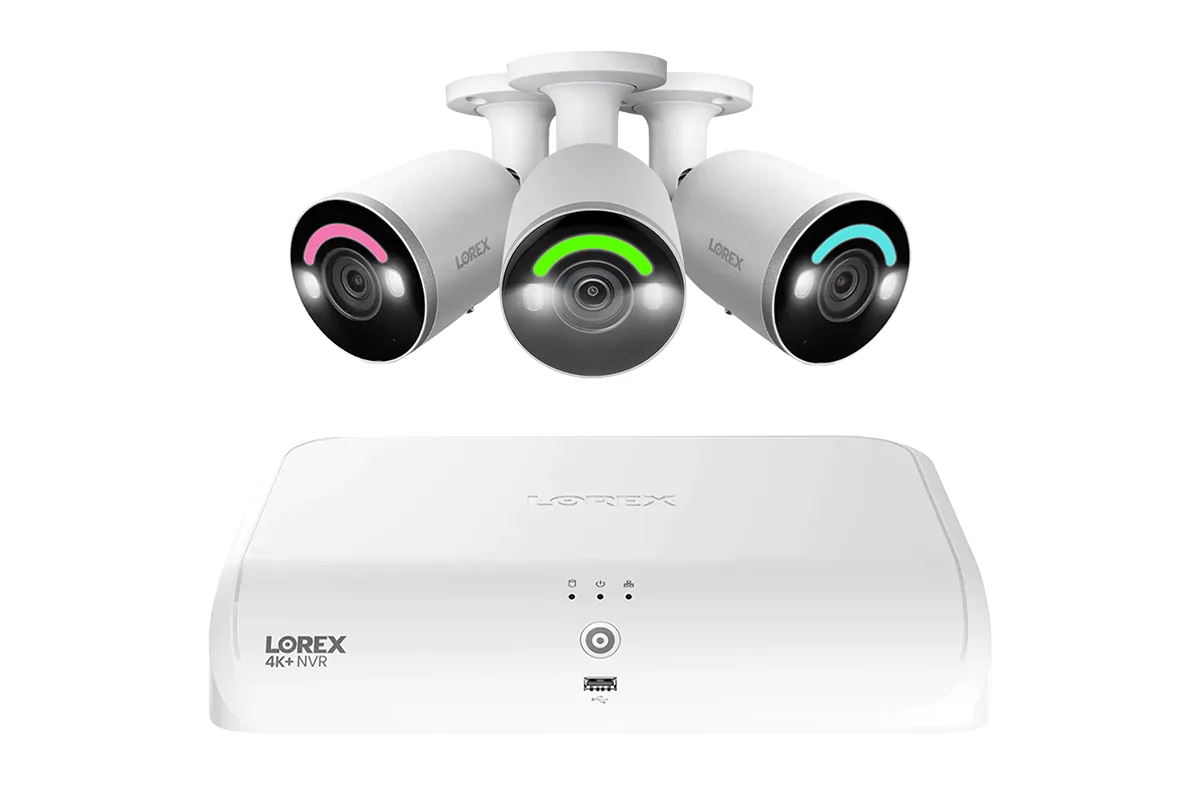
Lorex’s Fusion hybrid NVR systems bridge the gap between wired reliability and Wi‑Fi convenience. A Fusion‑capable NVR supports both standard wired PoE cameras and specially designed Fusion Wi‑Fi cameras that communicate directly with the NVR through its own dedicated wireless link — not your home’s Wi‑Fi network. This means you get a single unified interface, one app, and one recording device for all your cameras, even if some are placed where running cables is impractical.
A notable example is the https://gadgetguardai.shop/products/lorex-fusion-series-4k-16-camera-capable-wired-or-fusion-wi-fi-4tb-wired-nvr-218103Lorex Fusion Series 4K 16 Camera Capable (Wired or Fusion Wi-Fi) 4TB Wired NVR System with H12 Wired 4K IP Bullet Cameras (Amazon). This system ships with a mix of wired bullet cameras and leaves room to add Fusion Wi‑Fi cameras later. For locations like a detached garage, a garden shed, or a second-story eave, the Fusion Wi‑Fi option eliminates the need for long cable runs while still feeding footage directly to the same NVR.
- Tip: Use Fusion Wi‑Fi cameras for hard‑to‑reach spots and wired PoE cameras for primary entry points where you want uncompromised 4K clarity.
Key Differences: Wired-Only vs Hybrid Fusion
The most obvious difference is cabling. A wired‑only system requires an Ethernet cable to every camera, which can be labor‑intensive and expensive for large or retrofitted homes. A hybrid Fusion system lets you avoid cables in some locations, saving time and money on installation. However, the Fusion Wi‑Fi cameras still need power — either from a nearby outlet or via a PoE injector if you run a cable for power only. Another difference is camera selection: wired‑only systems can use any standard PoE camera, while Fusion systems require specific Fusion Wi‑Fi camera models that are compatible with the NVR’s wireless protocol.
From a performance standpoint, wired cameras deliver slightly lower latency and are unaffected by congestion from other wireless devices. That said, Lorex’s Fusion Wi‑Fi cameras use a dedicated 2.4 GHz link that minimizes interference. For most residential applications, the difference in video quality is negligible. Storage and recording capabilities are identical because all footage — wired and Fusion — is recorded on the same NVR hard drive. A system like the Lorex 4K 16-Camera Capable (8 Wired + 8 Fusion Wi‑Fi) 2TB Wired NVR System with 3 IP Dome Cameras featuring Listen-In Audio - Amazon demonstrates how you can achieve a balanced mix of wired and wireless coverage.
- Quick comparison: Wired cameras require one cable per camera; Fusion Wi‑Fi cameras only need power — no data cable to the NVR.
- Management: Both types are viewed, recorded, and managed through the same Lorex app and NVR interface.
Pros and Cons at a Glance
Wired-only NVR systems excel in reliability and are the first choice for large commercial installations or homes where every camera location can be easily cabled. They offer the widest camera selection and are future‑proof against wireless spectrum changes. On the downside, installation is labor‑intensive, and adding a camera later can require opening walls again. Hybrid Fusion systems shine in flexibility — you can start with a few wired cameras and add Wi‑Fi cameras as needed without ripping up drywall. The trade‑off is a slightly higher upfront cost for the Fusion Wi‑Fi cameras and the need to keep them within wireless range of the NVR.
For a medium‑sized home (2,000–3,500 sq. ft.), a hybrid setup often hits the sweet spot. You can cover the front door and driveway with wired bullet cameras for maximum clarity, while using Fusion Wi‑Fi dome cameras on the back porch and side gates where running cable is tricky. For a rental property or a condo where you can’t drill many holes, the hybrid approach is almost a must. Wired-only remains superior for large estates, parking lots, or any scenario where you need non‑stop 4K recording on dozens of cameras.
- Wired-only: Best for new construction, high‑security sites, and users comfortable with cable management.
- Hybrid Fusion: Best for retrofits, multi‑building properties, and users who want the option to expand without major re‑wiring.
Which One Should You Choose?
Start by evaluating your property and your willingness to run cables. If you have an unfinished basement or attic and every camera location is within easy reach of cable pathways, a wired‑only system will give you the simplest long‑term maintenance. If you have finished rooms, brick exteriors, or long distances between buildings, the hybrid Fusion route saves labor and preserves your walls. Also consider future expansion: with a Fusion NVR, you can always add more wired cameras later, so you’re not locked into Wi‑Fi forever.
Budget is another factor. Wired PoE cameras are generally less expensive than Fusion Wi‑Fi cameras, but the cost of cabling (especially if you hire an installer) can erase that savings. Hybrid systems let you buy fewer cables and potentially do the installation yourself. For most homeowners, a hybrid approach like the Lorex Fusion Series 4K system offers the best of both worlds: rock‑solid wired coverage for critical areas and wireless convenience for the rest. If you prefer the absolute highest reliability and don’t mind the extra work, a pure wired system remains a fantastic choice.
- Pro tip: Start with the industry‑standard wired‑only system if you value simplicity and don’t plan to move cameras. Go hybrid if you want flexibility and a quicker install.
Choosing between a wired-only and a hybrid Fusion NVR doesn’t have to be complicated. Both deliver excellent 4K security footage, but the ideal solution depends on your property’s layout, your installation timeline, and how much flexibility you want for future camera additions. If a hybrid system resonates with your needs, explore the Lorex Fusion Series 4K 16 Camera Capable (Wired or Fusion Wi‑Fi) 4TB Wired NVR System with H12 Wired 4K IP Bullet Cameras (Amazon) to see how easily you can combine wired and wireless cameras in a single, powerful NVR.