What this Spanish edition actually is
Los Mellizos Tuttle y el Destino del Futuro is a print book in Neutral Latin American Spanish. The catalog describes it as a story about coercion versus persuasion: Ethan and Emily watch a dystopian film about a future full of coercion and realize they need to learn how to avoid it. The book also references Murray Rothbard's La anatomía del Estado, which teaches the twins that the future depends on discovering ways to work together to build a better society not based on coercion.
That is the full scope of what the supplied record confirms. It does not list page count, reading level, age range, or a specific grade. If you need those details to make a decision, treat them as unconfirmed by this listing rather than assuming them.
Catalog details that matter for your decision
-
Los Mellizos Tuttle y el Destino del Futuro: Language: Neutral Latin American Spanish. This tells you the edition is designed for Spanish-speaking readers and may suit bilingual or homeschool settings better than a Spain-Spanish edition.
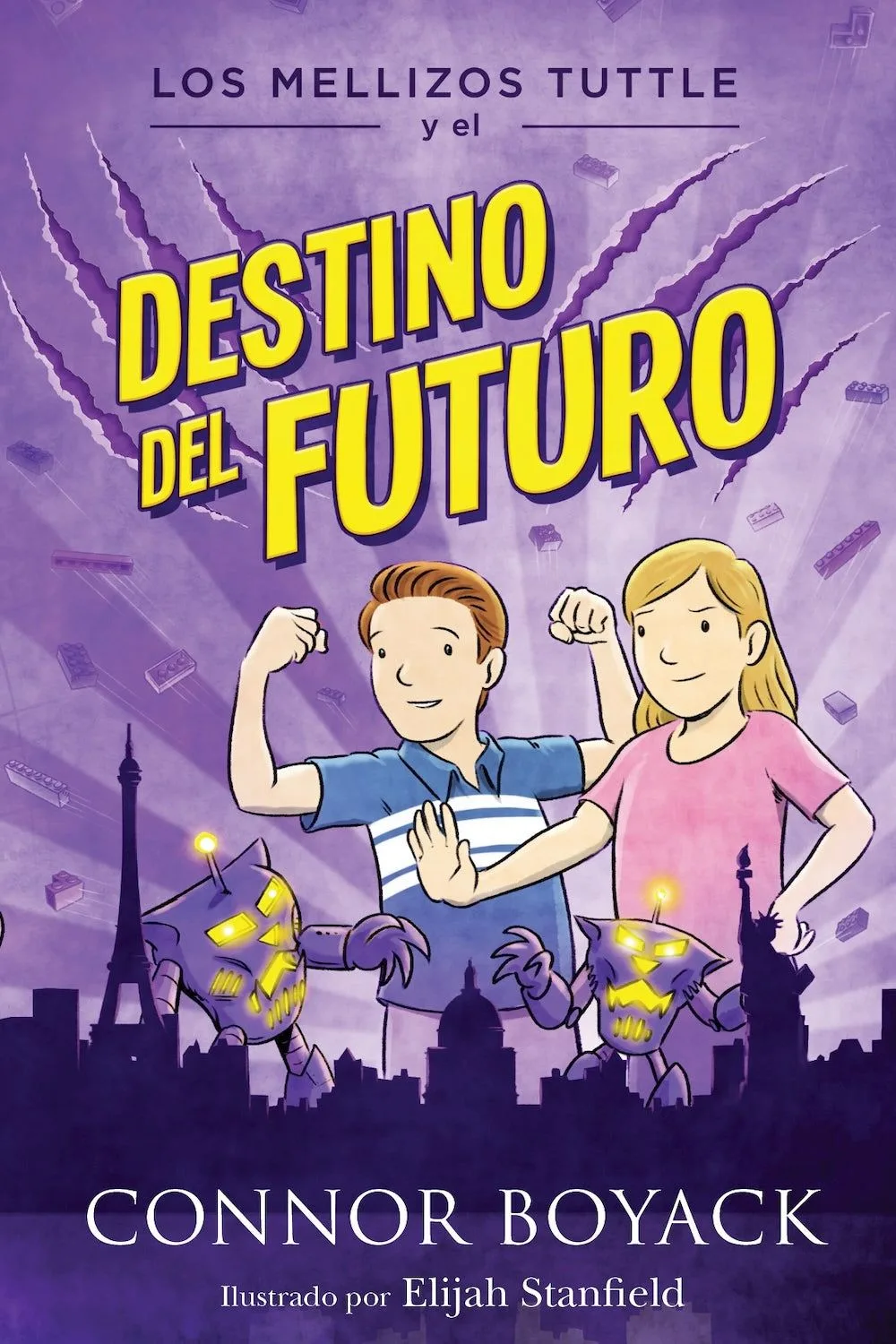
Los Mellizos Tuttle y el Destino del Futuro
-
Los Mellizos Tuttle y el Destino del Futuro: Format: Print book. You are buying a physical copy, so plan for shelf space and read-aloud handling rather than a digital file.
-
Los Mellizos Tuttle y el Destino del Futuro: Story focus: a dystopian film about coercion leads Ethan and Emily to explore persuasion as an alternative. This gives you a concrete conversation hook: the difference between forcing outcomes and persuading others.
-
Los Mellizos Tuttle y el Destino del Futuro: Mentioned in the story: La anatomía del Estado by Murray Rothbard. The book uses this reference to frame the twins' realization that the future depends on building a society without coercion.
Who this book fits, and who should look further
This edition fits families who want a Spanish-language story that introduces the idea of persuasion versus coercion. It can work as a read-aloud for parents who are comfortable discussing the concept in Spanish and who want a narrative entry point rather than a textbook. It also suits bilingual households where one adult reads in Spanish and another in English, provided you can find the matching English title separately.
It is not a good fit if you need a graded reader with a stated reading level, a workbook with exercises, or a book whose age range is explicitly printed in the catalog. The supplied record does not confirm those features, so if they are non-negotiable, this may not be the right purchase until you can verify them elsewhere.
A simple read-aloud routine for this story
- Preview the central question: Before reading, tell your listeners that the story asks whether it is right to coerce others to get what we want. This primes them for the dystopian film scene.
- Read the film scene slowly: When Ethan and Emily watch the dystopian film, pause to ask what they notice. The catalog says the film shows a future full of coercion, so let that image do the work.
- Connect to La anatomía del Estado: When the book references Murray Rothbard's work, explain in your own words that the twins learn the future depends on working together without coercion.
- Finish with a persuasion example: Ask each listener to name one time they persuaded someone instead of forcing them. This keeps the story's contrast concrete.
What the catalog does not tell you
- Age or grade range: The supplied record does not state an intended age. You will need to judge from the story description whether it matches your listener.
- Page count and dimensions: No page count or trim size is listed. If you need a specific length for a lesson plan, that is not confirmed here.
- Illustrations: The record does not describe illustration style or quantity. Do not assume a picture-book format without checking.
- English edition pairing: The catalog does not confirm a matching English title. If you want a bilingual set, verify the English edition separately.
How to decide before you order
Start with the language: Neutral Latin American Spanish is the confirmed edition language. If your reader is comfortable with that, move to the story focus. The book is built around a single contrast—coercion versus persuasion—and uses a dystopian film and a Rothbard reference to make it. That makes it a discussion starter, not a comprehensive curriculum.
If you are choosing among Spanish economics books for kids, weigh this title on what it actually confirms: a narrative in Spanish, a clear central question, and a named reference. If you need stated age ranges, page counts, or worksheets, those are not in the supplied information, so ask before buying or choose a title that lists them.