Quick answer
Choose sleepwear for bed and the first hour of the morning; choose loungewear for long home days, working from the couch, and quick errands. The practical split is fabric weight and cut: sleepwear is lighter and looser for temperature regulation under covers, while loungewear is a little more structured so it still looks intentional when you answer the door. If you only buy one, buy sleepwear first, then add one loungewear layer you can pull on over it.
What is loungewear, and how is it different from sleepwear?
Loungewear is the clothing you wear while awake at home: soft enough to relax in, structured enough to be seen in. Sleepwear is designed around sleep itself, which is why it tends to be lighter, looser, and sold as sets. The difference is not formality, it is function. A cotton jersey short pajama set is built for skin contact and airflow overnight; a robe or a plain cotton modal t-shirt is built to be layered over that set when you get up.
Sleepwear vs pajamas: the terms overlap more than you think
In everyday use, sleepwear and pajamas mean the same thing: the set you sleep in. The useful distinction is piece count, not vocabulary. A two-piece short set gives you a top you can keep on while you make coffee and shorts you can sleep in. A robe is the bridge item, because it works over sleepwear in the morning and over loungewear in the evening. If you are building from scratch, start with one two-piece set and one robe rather than three partial outfits.
How to pick comfortable home wear by fabric and season
Match the fabric to the room, not the calendar. Cotton regulates temperature and stays breathable, which is why it dominates warm-weather sleepwear. Fleece and heavier knits hold warmth and are better for cold rooms and short wear windows. Cotton modal sits in between: smooth, plain, and close-fitting enough to wear under a shirt without adding bulk. If you run hot, lean cotton; if you get cold sitting still, lean fleece or a robe.
Fit guidance for lounge vs sleep clothes
Sleepwear should fit loosely enough that it does not twist or bind when you turn over, but not so loose that the shorts ride up. Loungewear can be closer to your normal size because you are upright and moving. For robes, the belt does the work: tie it at the natural waist for coverage, or leave it open over a pajama set when you are moving around the house. When a size chart gives a range and you are between sizes, size up in sleepwear and stay true to size in loungewear.
What to wear for a home day, hour by hour
Morning: sleepwear plus a robe for warmth and coverage. Midday: swap the robe for a plain t-shirt if you are working or on calls. Afternoon errands: keep the shorts or pajama bottoms and add a clean t-shirt and shoes, or change into loungewear entirely. Evening: back to the robe over sleepwear. This rotation means two or three pieces cover a full day, which is the real argument for buying sleepwear and loungewear that share a color family.
Trade-offs to weigh before you buy
- Sleepwear: comfort versus versatility: A cotton jersey pajama set is the most comfortable option in bed, but the matching print or monogram reads as sleepwear if you step outside. Buy sleepwear for sleep first; treat daytime wear as a bonus.
- Loungewear: looks versus warmth: A plain cotton modal t-shirt looks intentional on a video call but adds little warmth on its own, so it needs a robe or heavier layer in a cold room. Pair one loungewear top with one warm layer instead of buying a second set.
- Robe: coverage versus bulk: A thick fleece short robe is warm and easy to belt, but the heavier fabric takes longer to dry and is more than you need in summer. Keep the robe for cold rooms and shoulder seasons; skip it in hot weather.
- Fabric: breathability versus structure: Cotton and cotton modal breathe well and stay smooth, while fleece holds heat and softness but is bulkier to store and wear. Choose based on the temperature of the room you relax in, not the season on the label.
Products that fit each role
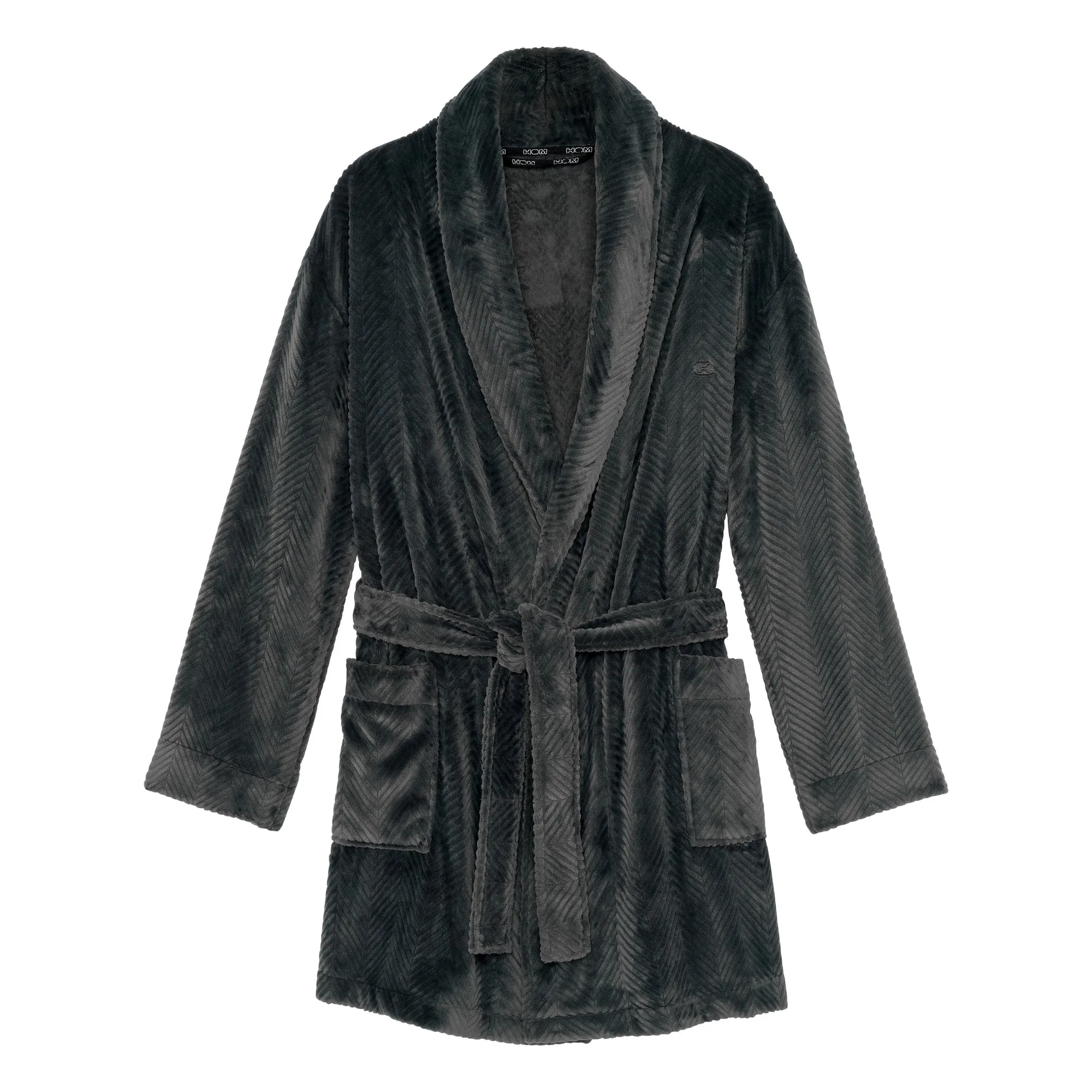
- Everest Short Robe | Grey 402878-00ZU: The EVEREST short kimono is a short bathrobe with a herringbone pattern, made from thick fleece that is fluffy, warm, and soft, with a tone-on-tone belt that ties at the waist. This is the bridge piece: wear it over sleepwear in a cold room, or over loungewear when you want warmth without changing.
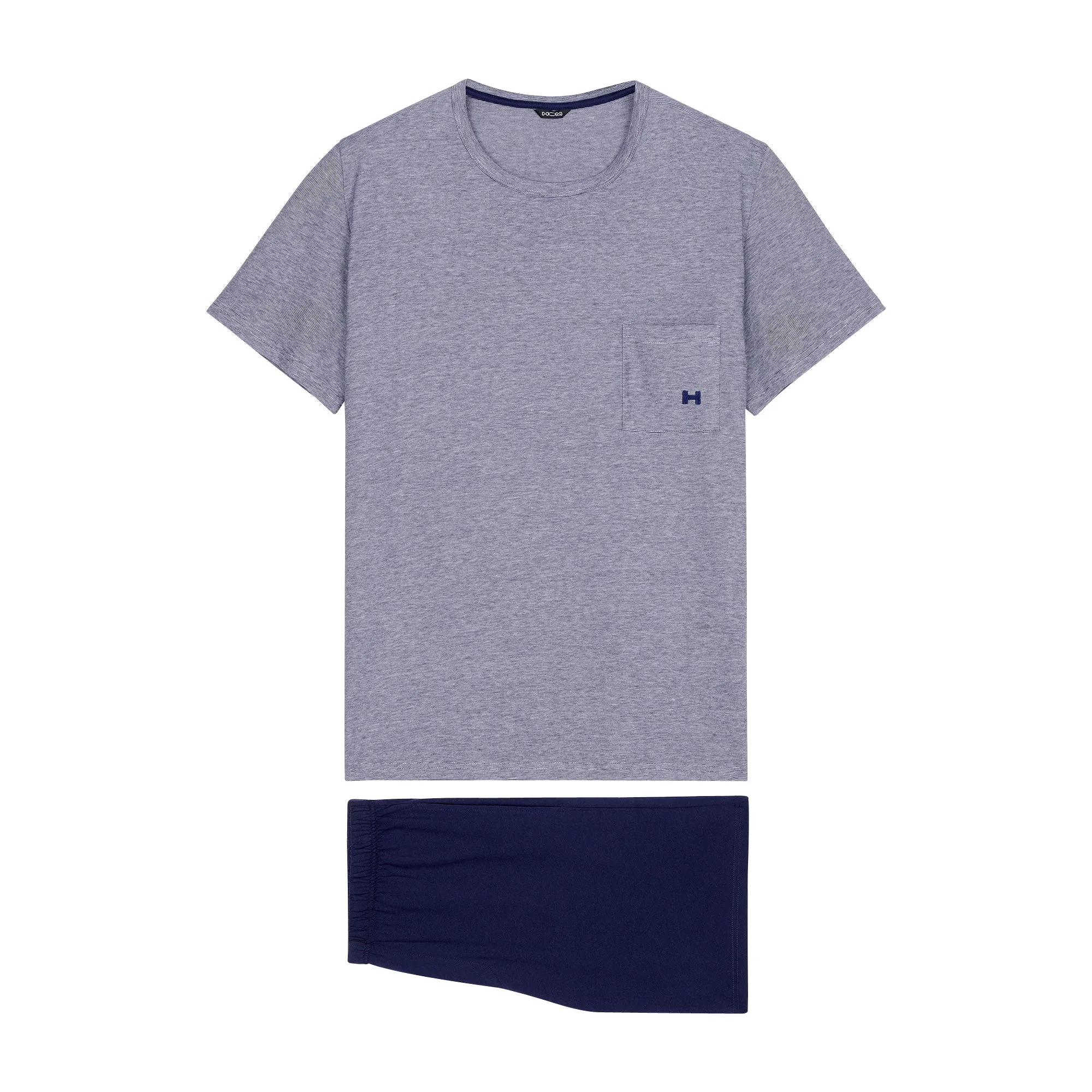
- Cotton Comfort Short Pajama Set | Navy 402207-00ra: The COTTON COMFORT short pajama set is navy cotton jersey with a short-sleeved crew-neck t-shirt and matching shorts; the t-shirt has a straight cut, a welt chest pocket, and a tone-on-tone embroidered monogram. A true sleepwear set that doubles as loungewear because the top is presentable enough to keep on during the day.
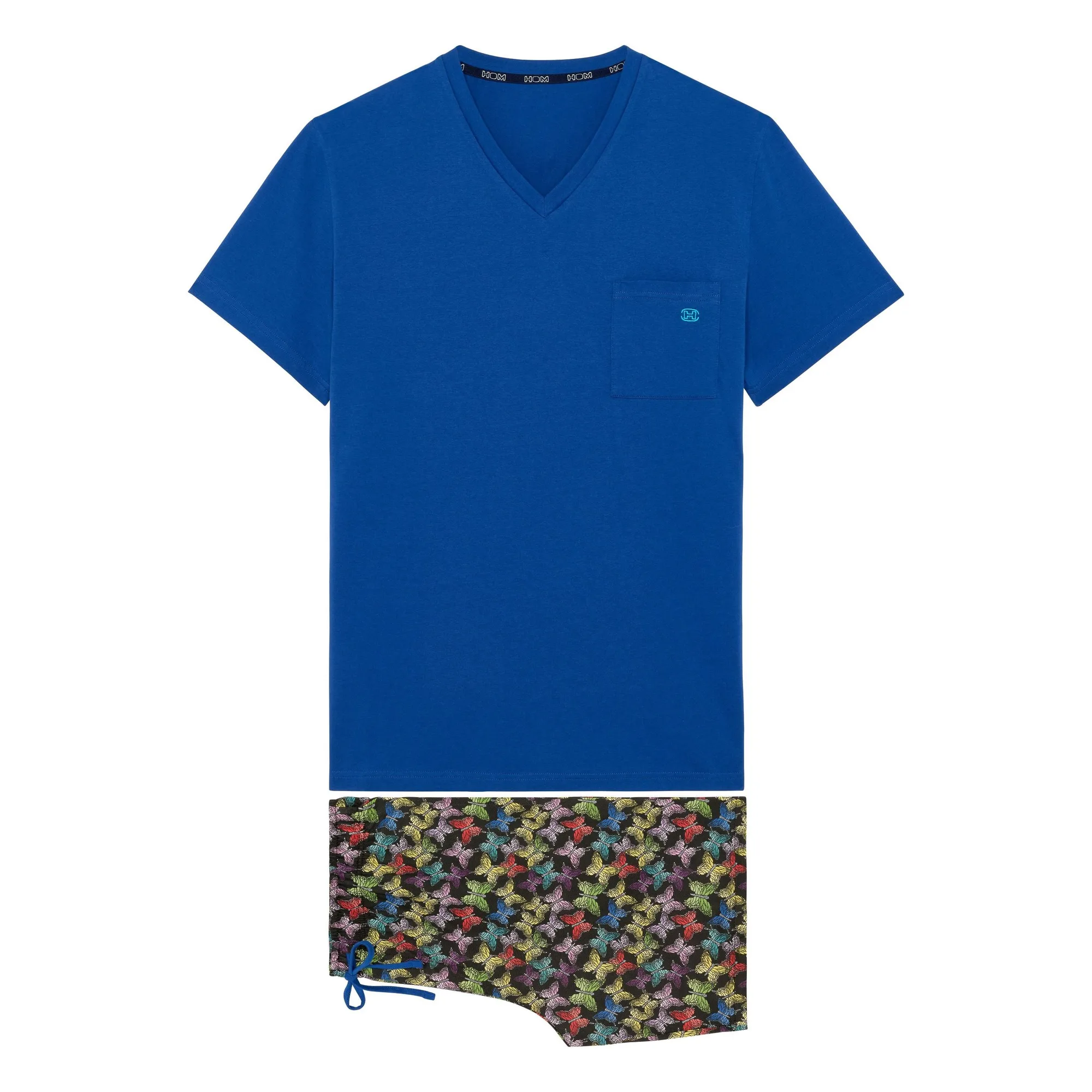
- Butterfly Short Pajama Set | Multico Print 402942-P023: BUTTERFLY short pajamas pair Bermuda shorts with a drawstring waist and a plain blue short-sleeved t-shirt in cotton, described as lightweight and breathable for summer. The drawstring waist is the practical detail for sleep: it adjusts as you move, which matters more in warm-weather sleepwear.
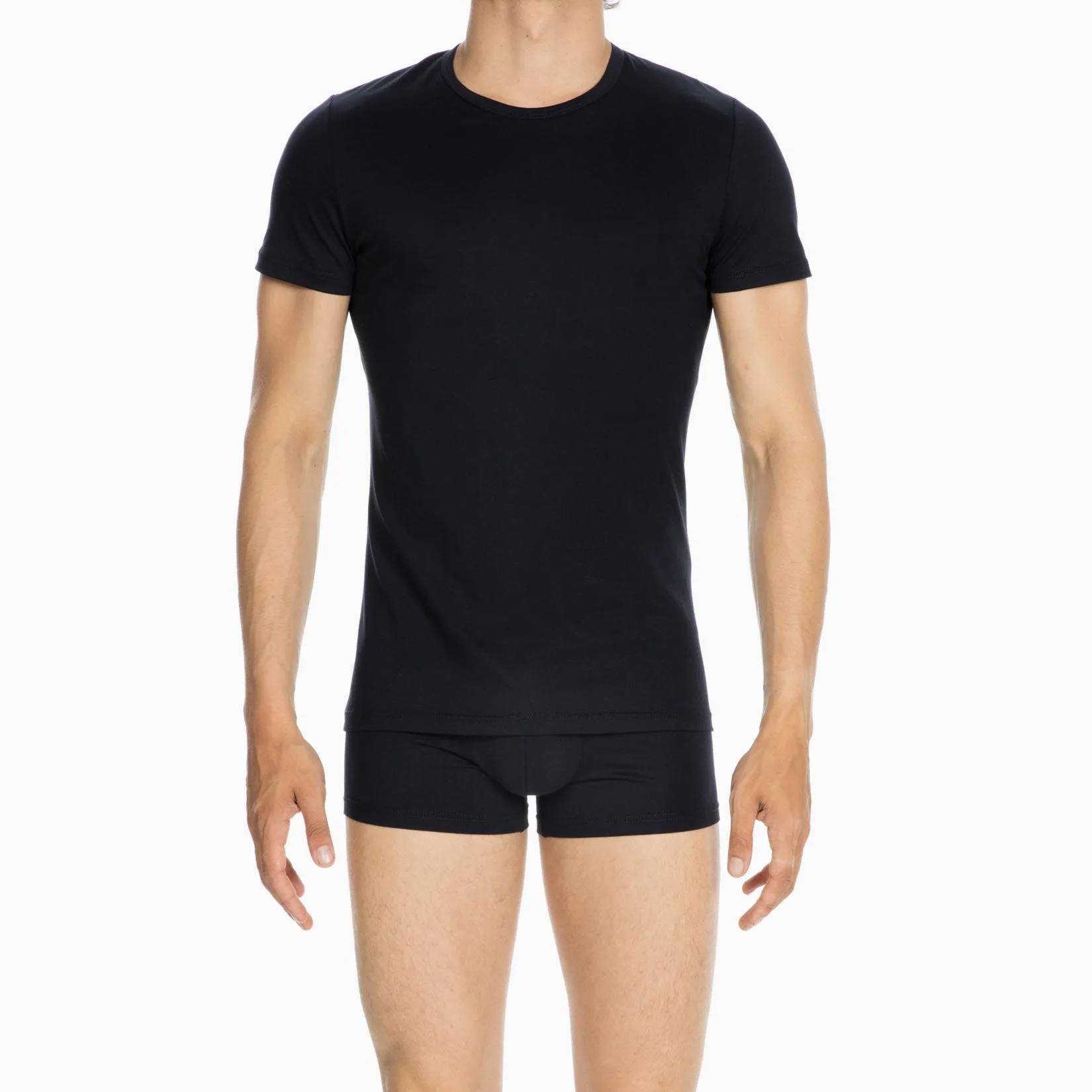
- Classic Crew Neck T-Shirt | Navy 400207-00ra: The CLASSIC crew-neck t-shirt is a short-sleeved cotton modal top with a shallow crew neck and a straight close-fitting cut, designed to be worn on its own or under clothing. This is the loungewear layer: close-fitting enough to wear under a shirt, plain enough to wear alone at home.
Which should you buy first?
Best for
- Anyone who sleeps hot and needs breathable cotton sleepwear for bed
- Home days where you want one set that works from morning coffee to evening
- Buyers who want a robe as a single warm layer over either sleepwear or loungewear
Not for
- Anyone looking for clothing to wear outside the home beyond quick errands
- Buyers who want a single piece to cover both cold rooms and hot sleep without layering
- Shoppers who prefer heavily structured or tailored clothing at home