Two very different tools for the same goal
Love Notes and Happy Hearts Board Game both aim to build kindness and emotional connection, but they work in opposite ways. Love Notes is a set of small written notes you slip into a lunch box, school bag, pocket or pajamas. Happy Hearts Board Game is a structured board game that uses gratitude, body awareness, yoga and breathing exercises to support self-regulation. Neither is a better kindness teacher in general—they simply fit different moments and different kids.
The comparison below sticks to what the catalog actually tells us. Where a detail like age range or number of players isn't supplied, I'll say so rather than guess, because those gaps matter when you're choosing between them.
How each one teaches kindness
- Love Notes: Kindness here is a one-way message from you to your child. Each note is designed to boost confidence, emotional connection and self-esteem, and the catalog suggests popping one into a lunch box, school bag, pocket or pajamas before a sleepover. The kindness is in the receiving—your child is reminded they are seen, supported and loved no matter where they are.
- Happy Hearts Board Game: Kindness here is practiced in a group. The game blends science-backed mindfulness techniques with playful connection, using gratitude, body awareness, yoga and breathing exercises. Kids learn self-regulation tools while playing, and the catalog positions it for families, classrooms or therapy settings. The kindness is in the shared practice—taking turns, noticing feelings and laughing together.
What the catalog confirms about Love Notes
-
Love Notes: Each note is thoughtfully designed to boost confidence, emotional connection and self-esteem. This is the core promise: a small, repeatable gesture that reinforces your child's sense of being valued.
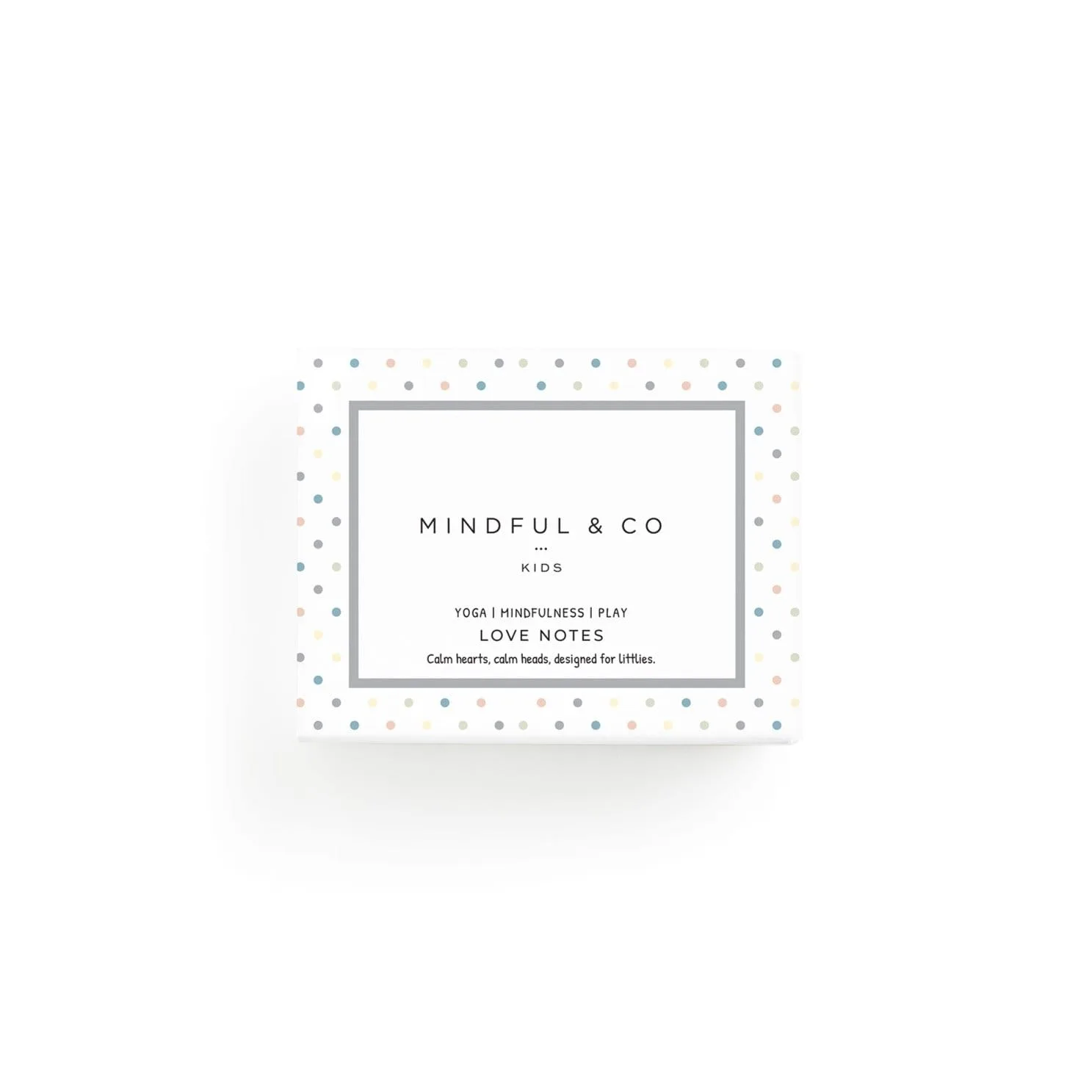
Love Notes
-
Love Notes: Simply pop one into a lunch box, school bag, pocket or even tuck into pajamas before a sleepover. The delivery method is the product. It works anywhere a small note can hide, which makes it flexible for school days, special moments or just because.
What the catalog confirms about Happy Hearts Board Game
-
Happy Hearts Board Game: The Happy Hearts Board Game blends science-backed mindfulness techniques with playful connection to support emotional well-being in children. It's designed as an active, guided experience rather than a passive message, so it suits families who want to practice skills together.
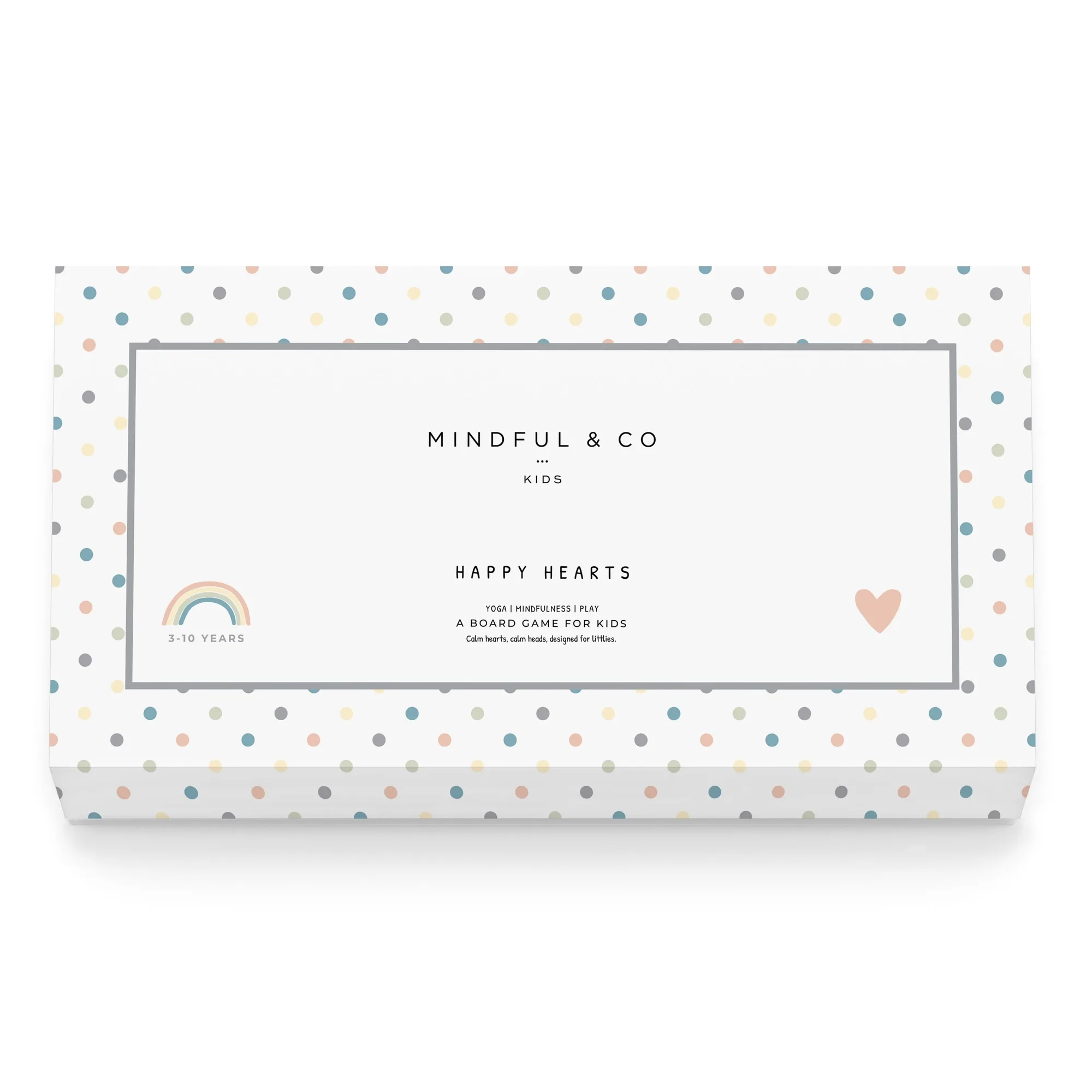
Happy Hearts Board Game
-
Happy Hearts Board Game: Through gratitude, body awareness, yoga and breathing exercises, kids learn valuable tools for self-regulation while having fun. These are concrete activities you can name when deciding whether your child will engage with a sit-down game or prefer a quiet note.
-
Happy Hearts Board Game: Perfect for families, classrooms or therapy settings, it turns mindful moments into meaningful memories. The catalog explicitly places it in group contexts, which is a clue about its social nature—though the exact number of players isn't supplied.
Where the evidence runs out
Neither product record supplies an age range, player count, play time or component list. That's not a flaw in the products—it's a limit of the information here. If you need a specific age recommendation or want to know exactly what's in the box before buying, check the product page or ask the store directly. For Love Notes, the catalog doesn't state how many notes are included, so treat quantity as unconfirmed. For Happy Hearts, the yoga and breathing exercises are described but not detailed step by step, so you'll be learning the game's structure as you open it.
Which one fits your situation
- Choose Love Notes if…: You want a low-effort, everyday way to send encouragement, especially for a child who struggles with separation or needs a quiet reminder of support during school or sleepovers. It's also a gentle option for a child who resists structured activities.
- Choose Happy Hearts Board Game if…: You want a shared activity that teaches breathing, gratitude and body awareness through play, and you're comfortable leading or joining in. It suits family game time, classrooms or therapy settings where a group can participate together.
- Consider both if…: You want a daily kindness ritual (Love Notes) plus a weekly or occasional group practice (Happy Hearts). They complement rather than duplicate each other, because one is a private message and the other is a social game.
A note on price and value
At the catalog prices shown, Love Notes is the lower-cost entry point, while Happy Hearts Board Game is a larger investment. That difference reflects format more than effectiveness: one is a set of notes, the other is a hand-illustrated board game with multiple activities. If you're testing whether your child responds to kindness prompts, Love Notes is an easy start. If you already know your family enjoys guided games, Happy Hearts gives you more to do together.