Pasta is a beloved staple in kitchens around the world, but for those watching their carbohydrate intake, it often lands on the "off-limits" list. Traditional pasta is packed with refined carbs that can spike blood sugar and derail weight management efforts. Enter low-carb pasta alternatives, which promise the same comforting experience with a fraction of the carbs. But how do they really stack up? In this article, we'll compare low-carb pasta and regular pasta across nutrition, taste, texture, and how they fit into your health goals—whether you're following a keto diet, managing blood sugar, or simply looking for healthier options.
As more people explore low-carb diets for weight loss and metabolic health, the demand for pasta substitutes has skyrocketed. Options range from spiralized vegetables to innovative noodle products made with plant-based fibers. We'll dive into the key differences and help you decide which pasta belongs on your plate.
Nutritional Breakdown: Low-Carb Pasta vs. Regular Pasta
Regular pasta, typically made from durum wheat semolina, contains about 40 grams of net carbohydrates per cooked cup. It's low in fiber and protein, meaning it digests quickly and can cause rapid blood sugar spikes. For someone on a low-carb or keto diet, this can easily use up an entire day's carb allowance in one meal. In contrast, low-carb pasta alternatives are designed to reduce net carbs significantly. Many use ingredients like almond flour, coconut flour, or konjac root, bringing net carbs down to 5–10 grams per serving while boosting fiber content. This makes them a smarter choice for those aiming to stay in ketosis or maintain stable energy levels.
Low-carb pastas also tend to be higher in protein and healthy fats, which promote satiety and reduce cravings. For example, some brands incorporate egg whites or legume flours to improve the macronutrient profile. However, it's important to check labels for hidden starches or fillers that can increase carb counts. When comparing side by side, low-carb pasta clearly wins for anyone prioritizing blood sugar control and sustained fullness.
- Tip: Look for pasta with at least 5 grams of fiber and under 10 grams of net carbs per serving to stay on track with low-carb goals.
Taste and Texture: Can Low-Carb Pasta Satisfy Your Cravings?
The biggest hurdle for low-carb pasta has always been mimicking the al dente bite and neutral flavor of traditional pasta. Early versions were often mushy or had a strange aftertaste, but today's innovations have closed the gap dramatically. Noodles made from chickpeas or lentils offer a hearty, slightly nutty flavor that works well with robust sauces. Meanwhile, konjac-based noodles have a neutral taste and a slippery texture that absorbs surrounding flavors. The key is proper preparation—rinsing, boiling, and sometimes dry-frying to improve texture.
For those who grew up on classic spaghetti or fettuccine, the switch may require an adjustment period. However, many low-carb pastas now hold their shape and pair beautifully with traditional sauces like marinara, pesto, or Alfredo. Some even come in fun shapes like penne or rotini. While regular pasta may still win on pure nostalgia, low-carb options have become delicious enough to satisfy most cravings without the carb overload.
Health Goals and Dietary Fit: Which Pasta Supports Your Lifestyle?
Your choice between low-carb and regular pasta ultimately depends on your specific health objectives. For weight loss, low-carb pasta helps reduce overall calorie intake and curbs hunger thanks to its higher fiber and protein content. For type 2 diabetes management, the slower digestion of low-carb pasta prevents blood sugar spikes, making it a safer option. On the other hand, athletes or highly active individuals may benefit from regular pasta's quick-digesting carbs for pre-workout energy or post-exercise glycogen replenishment.
If you're following a keto or low-carb diet, low-carb pasta is non-negotiable. But even for those not strictly counting carbs, swapping in low-carb pasta a few times a week can support better metabolic health and reduce inflammation. It's also worth noting that many low-carb pastas are gluten-free, making them suitable for those with celiac disease or gluten sensitivity. Ultimately, the best pasta is the one that aligns with your personal health journey.
- Tip: Pair low-carb pasta with protein and healthy fats (like grilled chicken and olive oil) for a balanced, blood-sugar-friendly meal.
Popular Low-Carb Pasta Options and How to Use Them
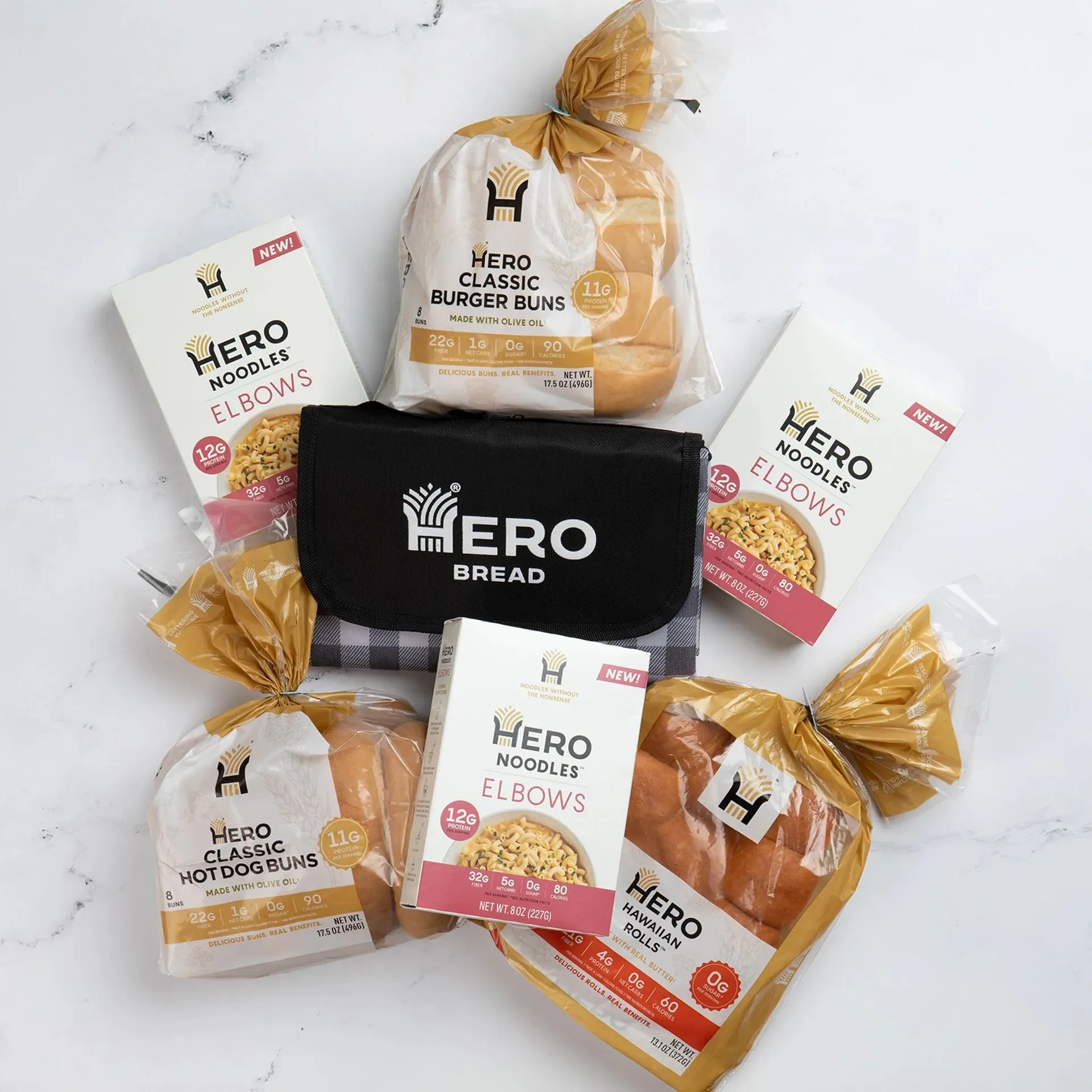
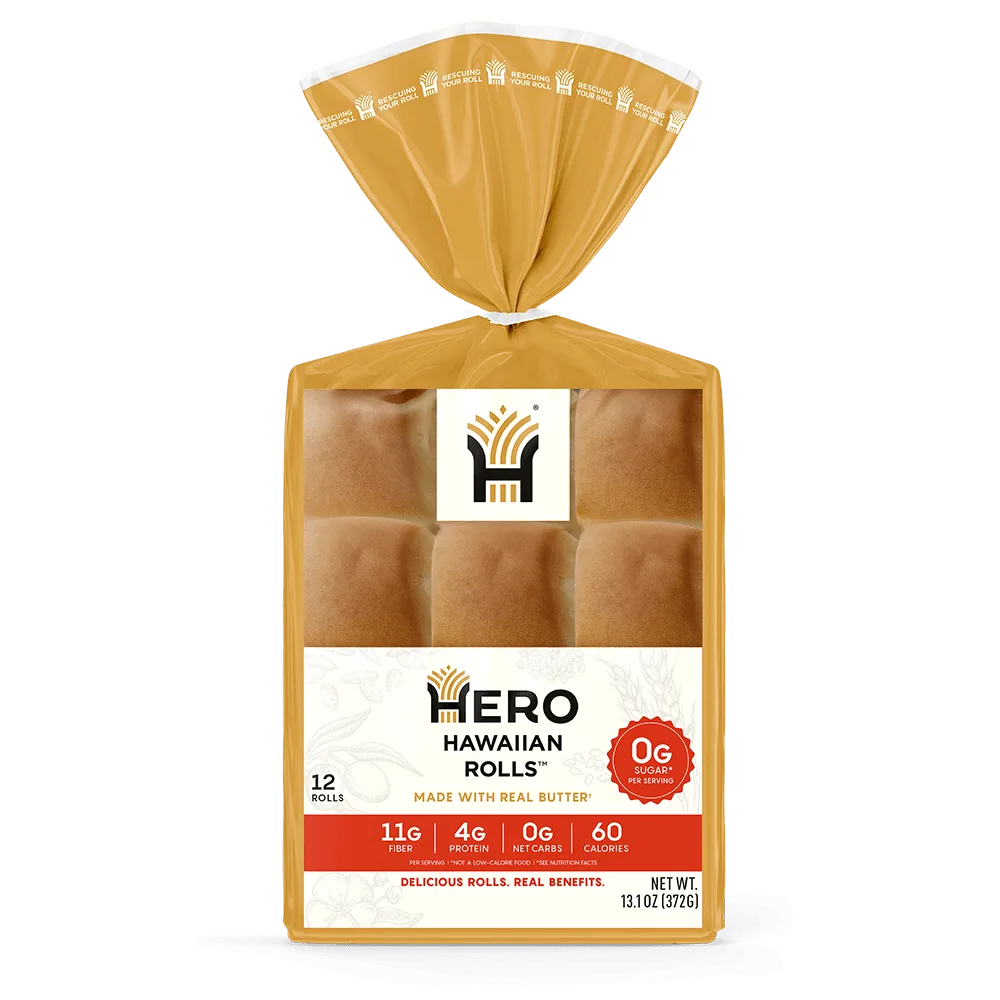
The market now offers a wide variety of low-carb pasta alternatives, from spiralized zucchini (zoodles) to shirataki noodles made from konjac root. Legume-based pastas (chickpea, lentil, or edamame) are another popular choice, packing more protein and fiber than traditional wheat pasta. For those who want a quick, no-fuss option, Hero Bread offers innovative noodle products that are ready in minutes and fit seamlessly into keto-friendly meal plans. Whether you're making a classic spaghetti Bolognese or a creamy pasta bake, there's a low-carb noodle to match.
When cooking low-carb pasta, avoid overcooking—most varieties need less time than traditional pasta. Rinsing shirataki noodles thoroughly and dry-frying them removes excess moisture and improves texture. Legume pastas should be cooked al dente and served immediately to prevent clumping. Experiment with different brands and shapes to find your favorite. With a little practice, low-carb pasta can become a regular part of your healthy eating routine.
Low-carb pasta offers a clear advantage for those focused on weight management, blood sugar control, and low-carb or keto lifestyles, while regular pasta still has a place for high-energy needs. By choosing the right pasta for your goals, you can enjoy satisfying meals without compromise. Explore Hero Bread's noodle selection to find a low-carb option that fits your taste and health journey.