Quick answer
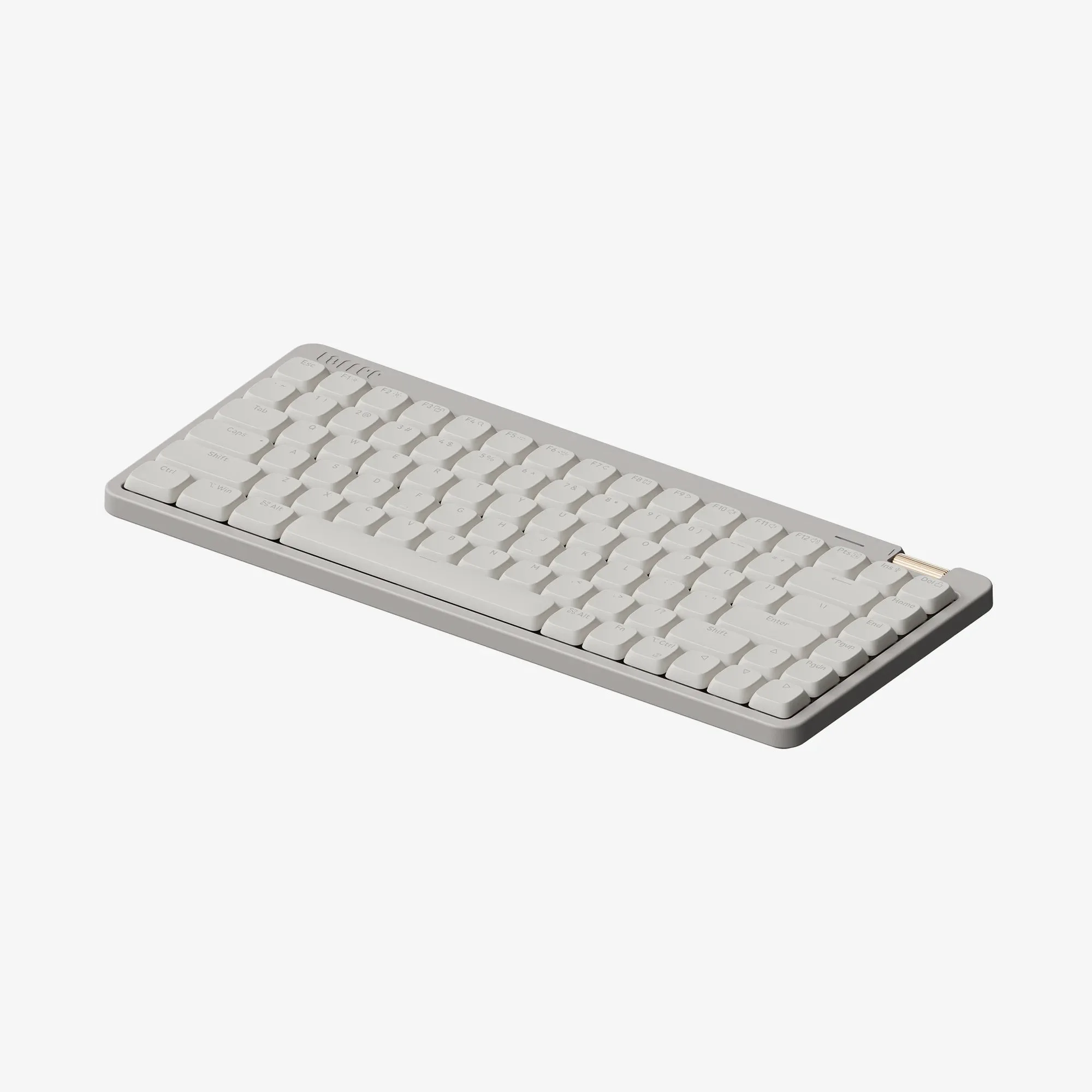
Low-profile mechanical keyboards are not inherently worse for typing or durability. The real differences come down to switch design, case architecture, and how you use the board. A low-profile board like the Lofree Flow Lite84 with tri-mode connectivity and a slim angle can be a better daily driver than a standard-height keyboard if portability and comfort matter to you. The myths usually confuse 'different' with 'inferior'.
Myth: Low-profile switches are mushy and inconsistent
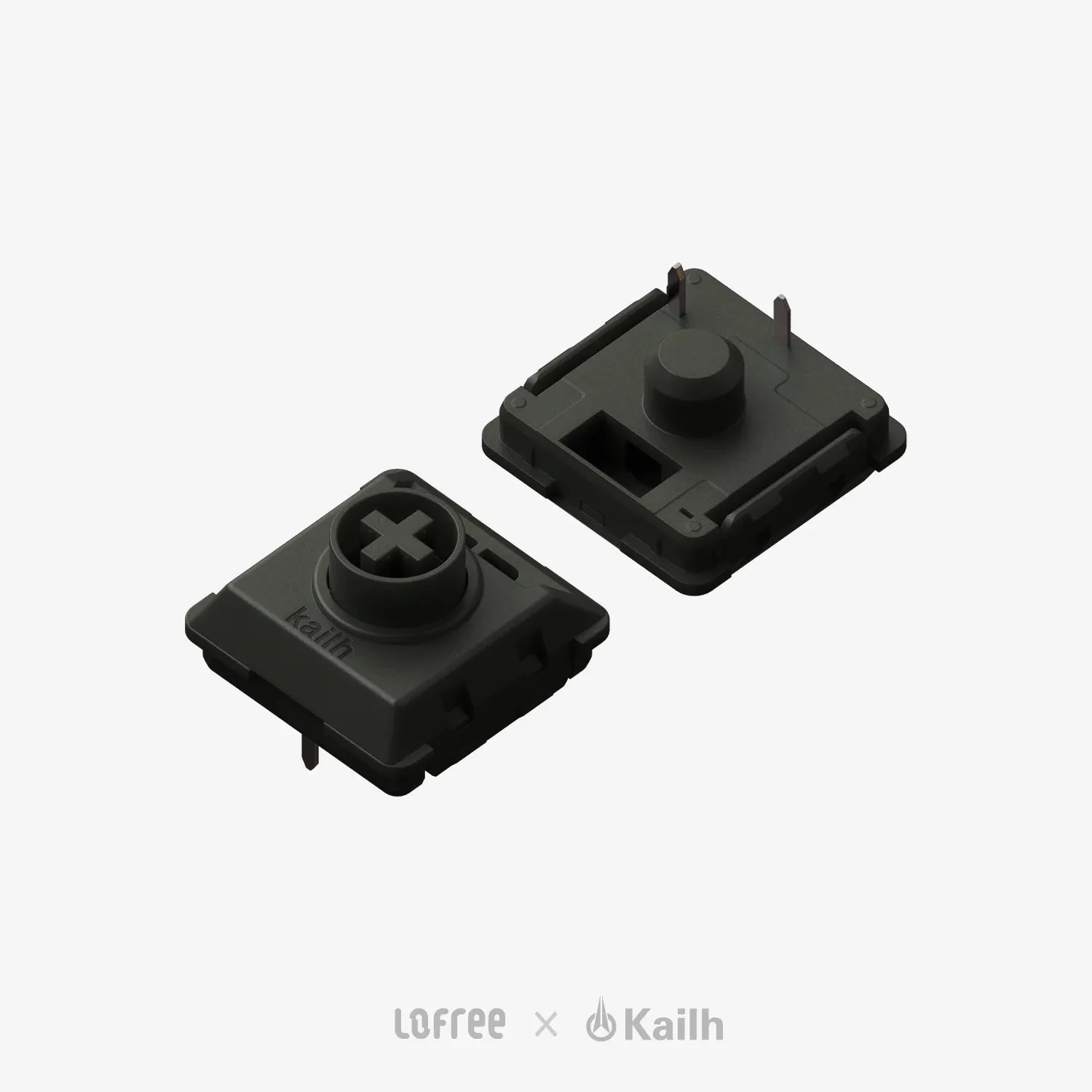
This myth likely comes from early low-profile rubber domes or poorly stabilized clones. Modern low-profile mechanical switches, especially POM-based ones, can be smooth and consistent. The Lofree Ghost Low-profile POM Switches are a collaboration between Kailh and Lofree, and they are described as the world's first low-profile POM mechanical switches. POM is known for its self-lubricating properties, which can contribute to a smoother feel over time. That does not mean every low-profile switch is perfect for every typist, but the material and engineering have moved well beyond the mushy stereotype.
Myth: Low-profile keyboards are only for travel, not for real work
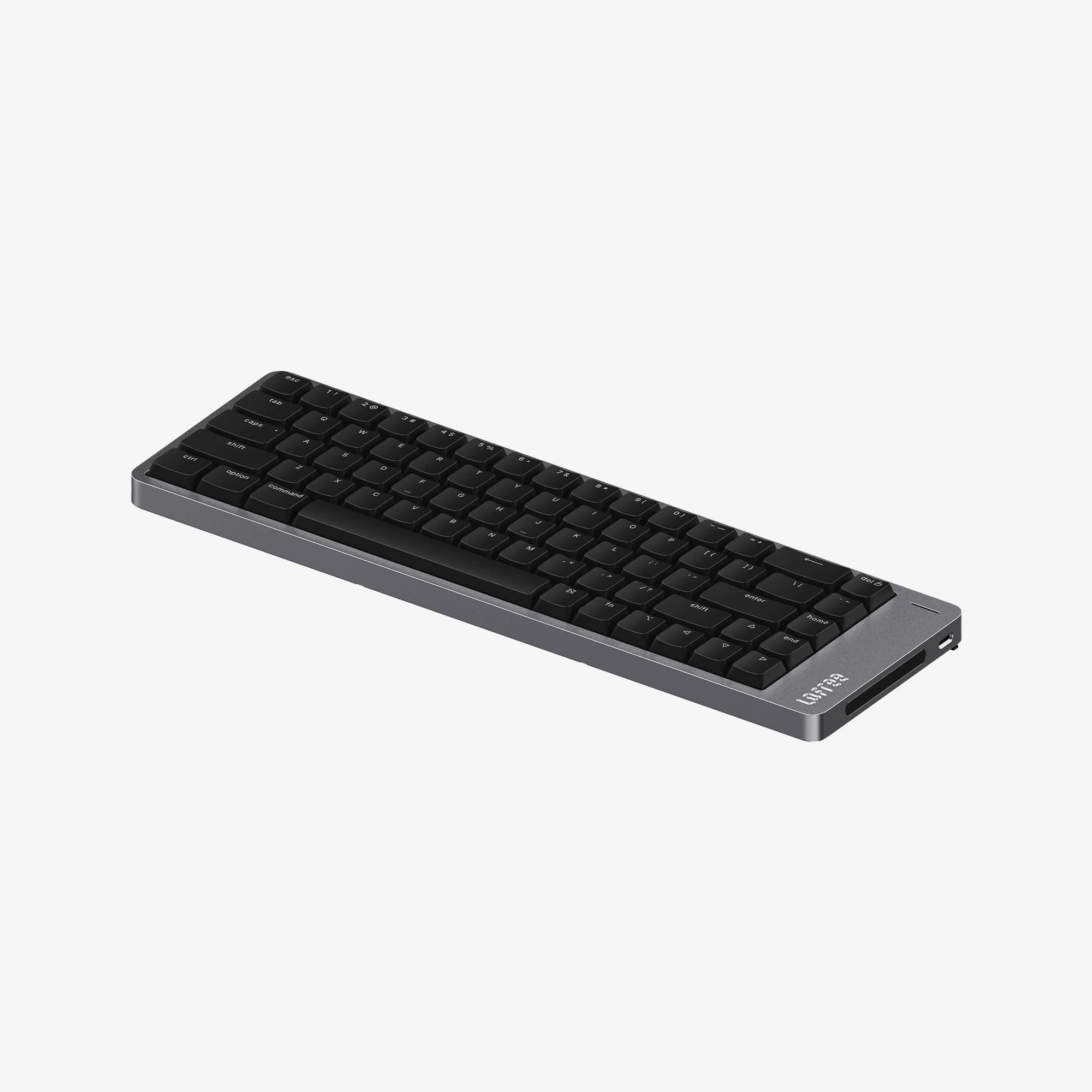
Travel is a common use case, but it is not the only one. The Lofree Flow Lite84 is a low-profile mechanical keyboard with a sleek, modern design and a slim, ergonomic typing angle. It also supports tri-mode connectivity, so you can switch between devices without re-pairing. That combination makes it suitable for a permanent desk setup where you want a cleaner look and more desk space, not just for a backpack. If you type for hours, the lower angle may reduce wrist extension compared to a tall, angled board, though personal preference still rules.
Myth: Low-profile means fewer features or cheaper build
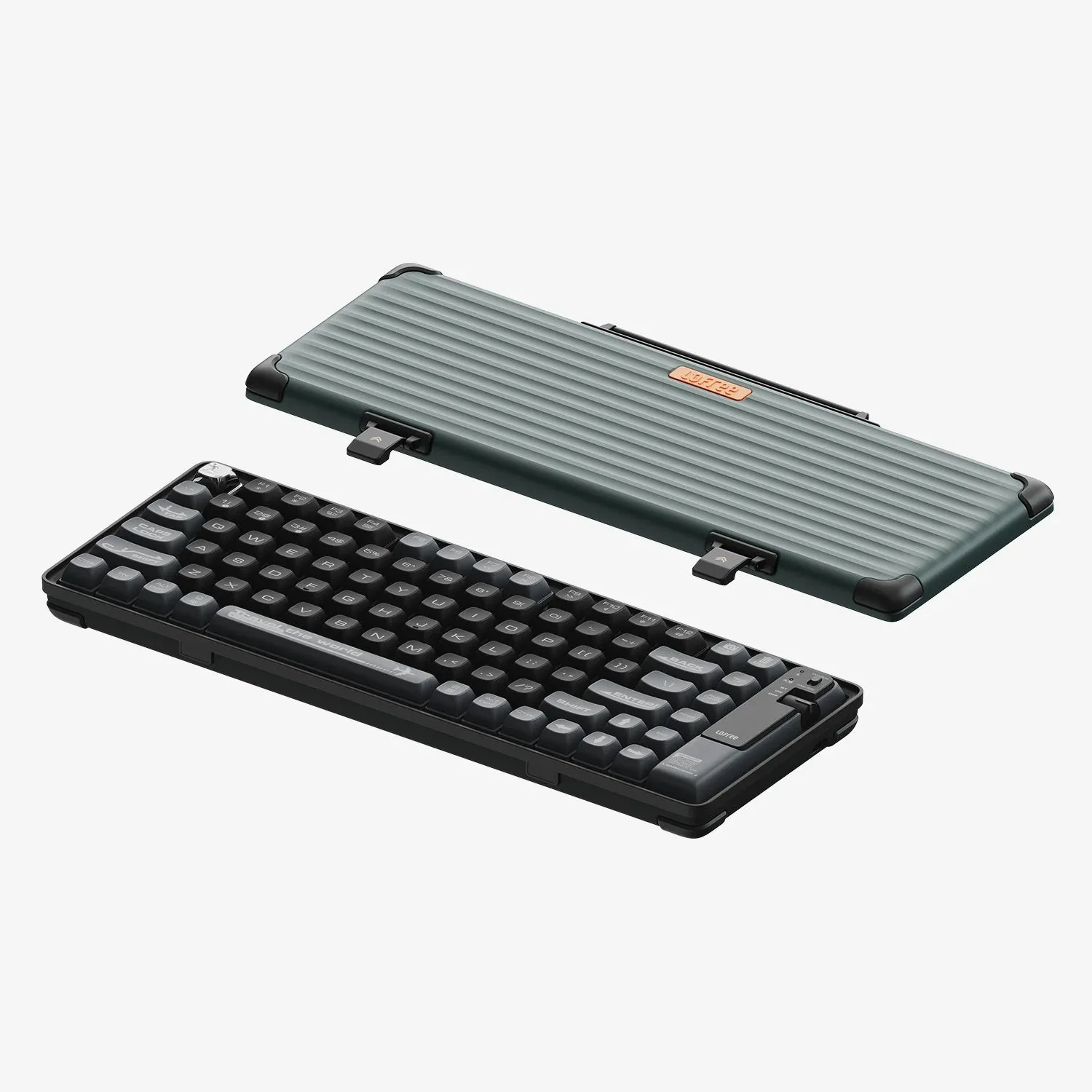
Feature set is independent of height. The Lofree Wanderfree, for example, is a mechanical keyboard with a two-piece architecture and a protective magnetic cover that flips to become a stable device stand. It is not a low-profile board, but it shows that Lofree puts distinctive industrial design and utility into different form factors. Low-profile boards can also have premium materials and thoughtful layouts. The Flow Lite84 comes in multiple color and layout options, so you are not stuck with a single generic look. The tradeoff is usually fewer aftermarket keycap choices, not fewer core features.
Myth: You cannot get a satisfying typing feel from a low-profile board
Satisfaction is subjective, but the ingredients are not mysterious. Switch type, keycap material, stabilizer tuning, and case rigidity all play a role. A low-profile board with POM switches and a well-designed case can feel crisp and stable. The Flow Lite84's low-profile mechanical design is intended to provide a comfortable and streamlined typing experience. If you prefer a long travel distance and a heavy bottom-out, a standard-height board may still win for you. That is a preference, not a defect.
Verdicts on common low-profile claims
- Low-profile switches feel mushy: Modern low-profile POM switches like the Lofree Ghost series are engineered for smoothness and consistency. Mushiness is more often a symptom of a specific switch or stabilizer issue, not the low-profile category itself. Verdict: Myth. Try a POM low-profile switch before judging the whole category.
- Low-profile boards are only for travel: The Flow Lite84's slim angle and tri-mode connectivity make it equally at home on a permanent desk. Portability is a bonus, not the only benefit. Verdict: Myth. Use case depends on your comfort and space, not height alone.
- Low-profile means fewer features: Features like tri-mode wireless, multiple layouts, and premium materials are available in low-profile boards. You may have fewer keycap aftermarket options, but that is a different tradeoff. Verdict: Myth. Check the spec sheet, not the height.
- Low-profile can't feel satisfying: Typing feel is personal. Switch material, case rigidity, and keycap profile matter more than height. A well-built low-profile board can feel crisp and stable. Verdict: Preference, not fact. Test one if you can, or buy from a store with a return policy.
Key specs that separate fact from myth
- Flow Lite84 Low-profile Mechanical Keyboard: Low-profile mechanical design for a slim and ergonomic typing angle; tri-mode wireless connectivity for flexible use with multiple devices; available in multiple color and layout options. A slim angle can reduce wrist strain for some typists, and tri-mode means you can use it with a laptop, tablet, and desktop without swapping boards.
- Ghost Low-profile POM Switches: Kailh and Lofree partner on the Shadow switch series; described as the world's first low-profile POM mechanical switches. POM is self-lubricating, which can contribute to a smoother feel and potentially longer consistency than some standard low-profile switch materials.
- Wanderfree Mechanical Keyboard: Two-piece architecture with a protective magnetic cover that flips to double as a stable device stand; designed for striking industrial aesthetics and everyday utility. Shows that Lofree designs for utility beyond the keyboard itself, a reminder that form factor alone does not determine feature set.