When it comes to securing gear on your tactical pack, the humble strap plays a critical role. Whether you're a military professional, law enforcement officer, or outdoor enthusiast, the way you attach and tighten your load can make or break your mission. Two popular options dominate the market: low profile super straps and standard issue straps. Each has its strengths, and choosing between them depends on your specific needs.
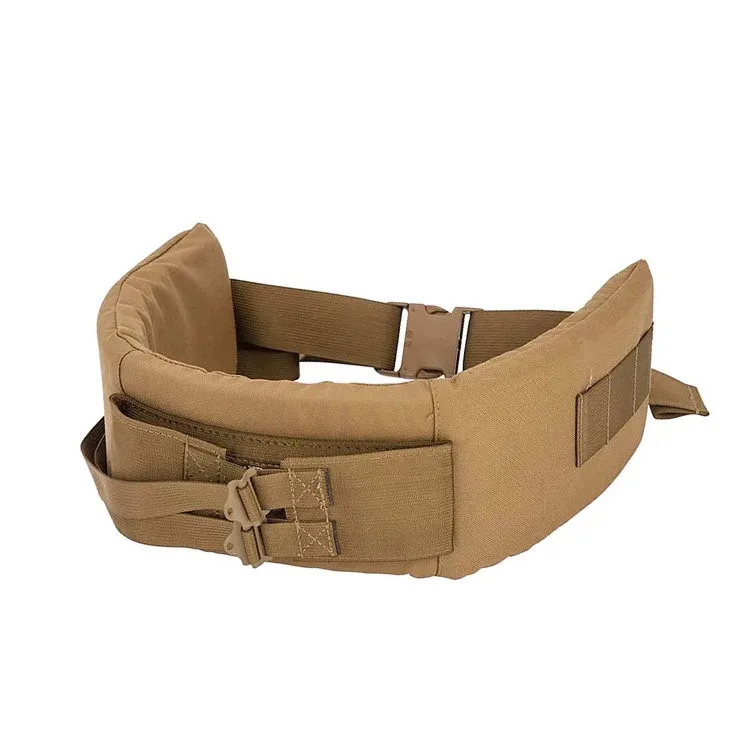
super straps
In this detailed comparison, we'll break down the differences in design, durability, comfort, and versatility. By the end, you'll have a clear understanding of which strap type suits your tactical setup best. We'll also highlight some excellent products from Tactical Tailor that incorporate these straps, so you can see them in action.
Design and Construction
Low profile super straps are engineered to sit flat against your pack, minimizing snag hazards and reducing bulk. They typically feature a sleek, low-profile design that integrates seamlessly with MOLLE webbing. The straps are often made from high-strength nylon and use a friction buckle system that allows for quick and secure tightening. In contrast, standard issue straps are usually thicker and bulkier, with a more traditional buckle or clip mechanism. They are built for heavy-duty use but can protrude more, increasing the risk of catching on branches or equipment.
The construction materials also differ. Low profile straps often use a lighter yet equally strong webbing, which reduces overall weight. Standard straps might use thicker material for added durability, but this can add unnecessary weight to your load. For those who prioritize a streamlined setup, low profile straps are the clear winner. However, if you need maximum ruggedness and don't mind the extra bulk, standard straps might be more appealing.
- Low profile straps: flat, snag-free design, lightweight
- Standard straps: thicker, heavier, more traditional
Durability and Strength
Both low profile and standard straps are designed to withstand harsh conditions, but they achieve this in different ways. Standard issue straps often use a thicker webbing and a larger buckle, which can handle extreme loads and repeated abuse. They are the go-to choice for heavy gear that requires maximum security. On the other hand, low profile super straps use advanced materials and a clever friction system that distributes tension evenly, preventing stress points. This design not only enhances strength but also extends the lifespan of the strap.
For example, the Low Profile Super Straps - Tactical Tailor, Inc are made from high-tenacity nylon and feature a reinforced stitching pattern. They are rated to hold significant weight while maintaining a slim profile. In comparison, standard straps might use a simpler design that, while effective, can wear out faster at the buckle attachment points. If you're looking for a strap that balances durability with a sleek form, low profile options are an excellent investment.
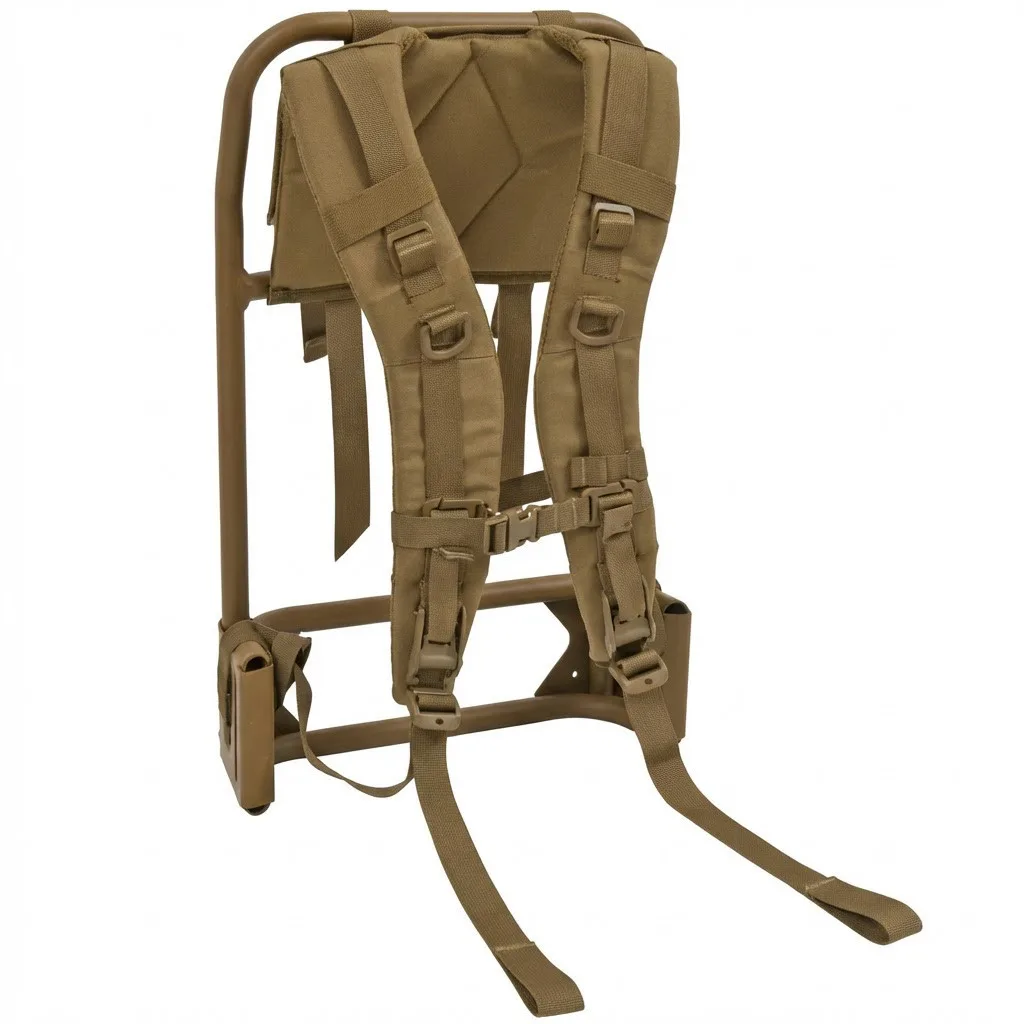
Low Profile Super Straps - Tactical Tailor, Inc
- Low profile: even tension distribution, reinforced stitching
- Standard: thicker webbing, heavier buckles
Comfort and Ergonomics
Comfort is a crucial factor, especially when you're carrying a heavy pack for extended periods. Low profile super straps are designed to lie flat against your gear, reducing pressure points and chafing. They also allow for a more even distribution of weight across your shoulders and back. The friction buckle system enables micro-adjustments, so you can fine-tune the fit without loosening the entire strap. This is particularly useful when you need to quickly adjust tension on the move.
Standard straps, while functional, can create hotspots due to their bulkier design. They may also be harder to adjust precisely, as traditional buckles often require more effort to tighten or loosen. For those who prioritize comfort and ease of adjustment, low profile straps are a significant upgrade. Many users find that after switching to low profile straps, they experience less fatigue and fewer pressure marks during long marches.
- Low profile: flat design reduces chafing, micro-adjustments
- Standard: potential hotspots, less precise adjustment
Versatility and Compatibility
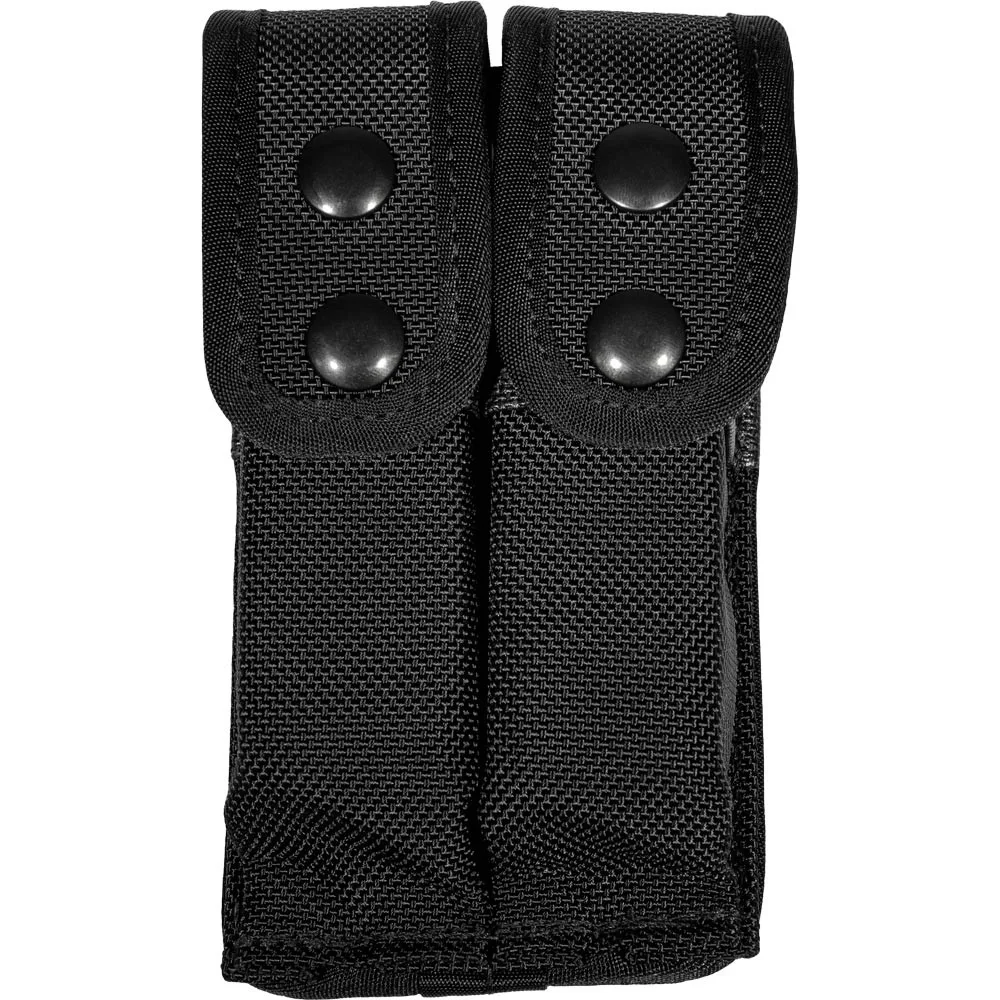
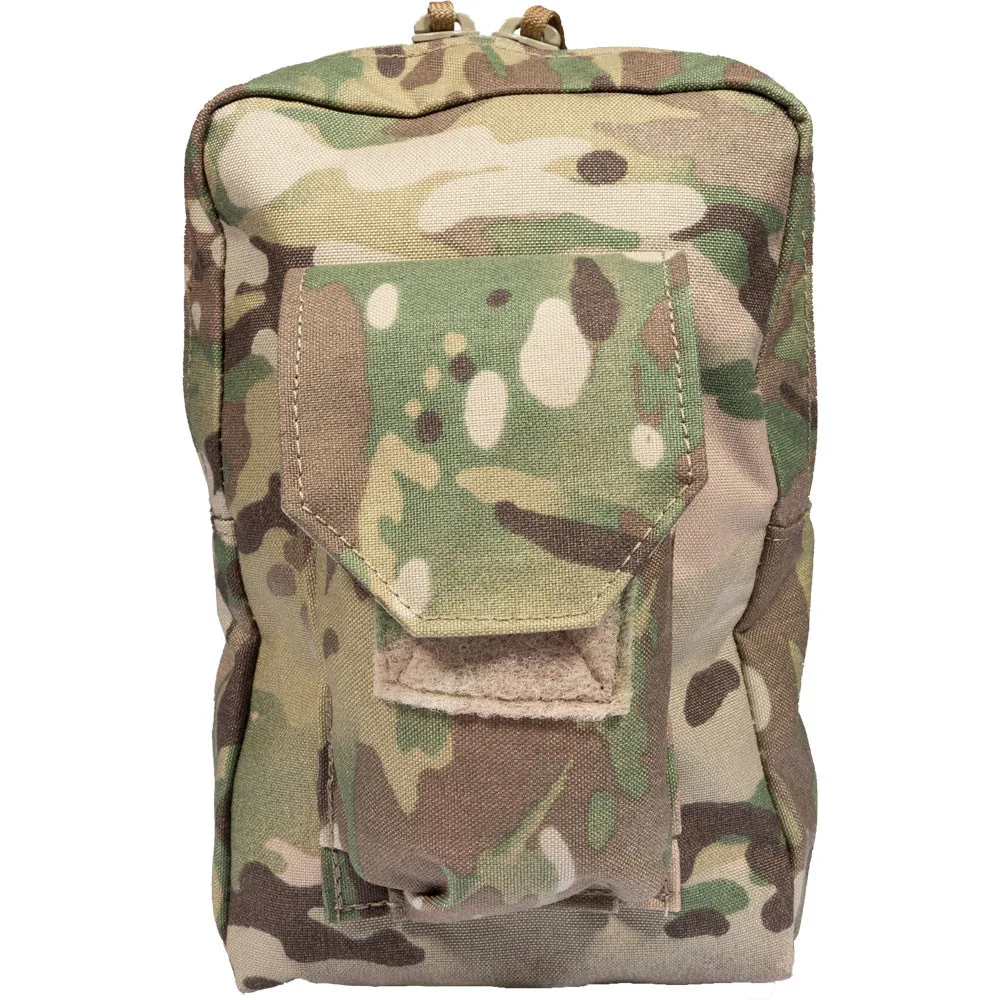
Versatility is another area where these straps differ. Low profile super straps are incredibly versatile, working well with a variety of MOLLE platforms, backpacks, and pouches. Their slim design makes them ideal for attaching accessories without adding bulk. For instance, the Fight Light Roll Up Dump Pouch - Tactical Tailor, Inc can be securely mounted using low profile straps, keeping your loadout streamlined. Similarly, the Rogue Magna Double Pistol Pouch benefits from the secure, low-profile attachment that these straps provide.
Standard straps, on the other hand, are often more specialized. They may be designed for specific applications, such as securing bedrolls or heavy equipment, and might not integrate as neatly with MOLLE systems. However, they are often more robust for heavy-duty tasks. If you need a strap that can handle a wide range of gear, low profile straps offer greater flexibility. But if you have a specific, heavy load that requires maximum security, standard straps might be the better choice.
- Low profile: compatible with MOLLE, ideal for pouches and accessories
- Standard: specialized, often for heavy loads
Price and Value
Cost is always a consideration. Low profile super straps tend to be priced slightly higher due to their advanced design and materials. However, they offer long-term value through enhanced durability and comfort. Standard straps are generally more affordable and widely available, but they may need to be replaced more frequently if they wear out. When you factor in the improved performance and longevity, low profile straps often provide better value over time.
For example, investing in low profile straps for your primary pack can save you money in the long run by reducing the need for replacements. Additionally, the improved comfort can prevent injuries that might lead to medical costs. While the initial investment is higher, the benefits are substantial for those who rely on their gear daily.
- Low profile: higher upfront cost, better long-term value
- Standard: lower cost, may need frequent replacement
In the battle of low profile super straps vs standard issue straps, the winner depends on your priorities. If you value a sleek, snag-free design with superior comfort and versatility, low profile super straps are the way to go. They excel in modern tactical setups where every ounce and inch matters. On the other hand, standard straps remain a reliable choice for heavy-duty applications where bulk is not a concern. For most tactical users, low profile straps offer the best balance of performance and practicality. Consider your specific needs and gear to make the right choice.