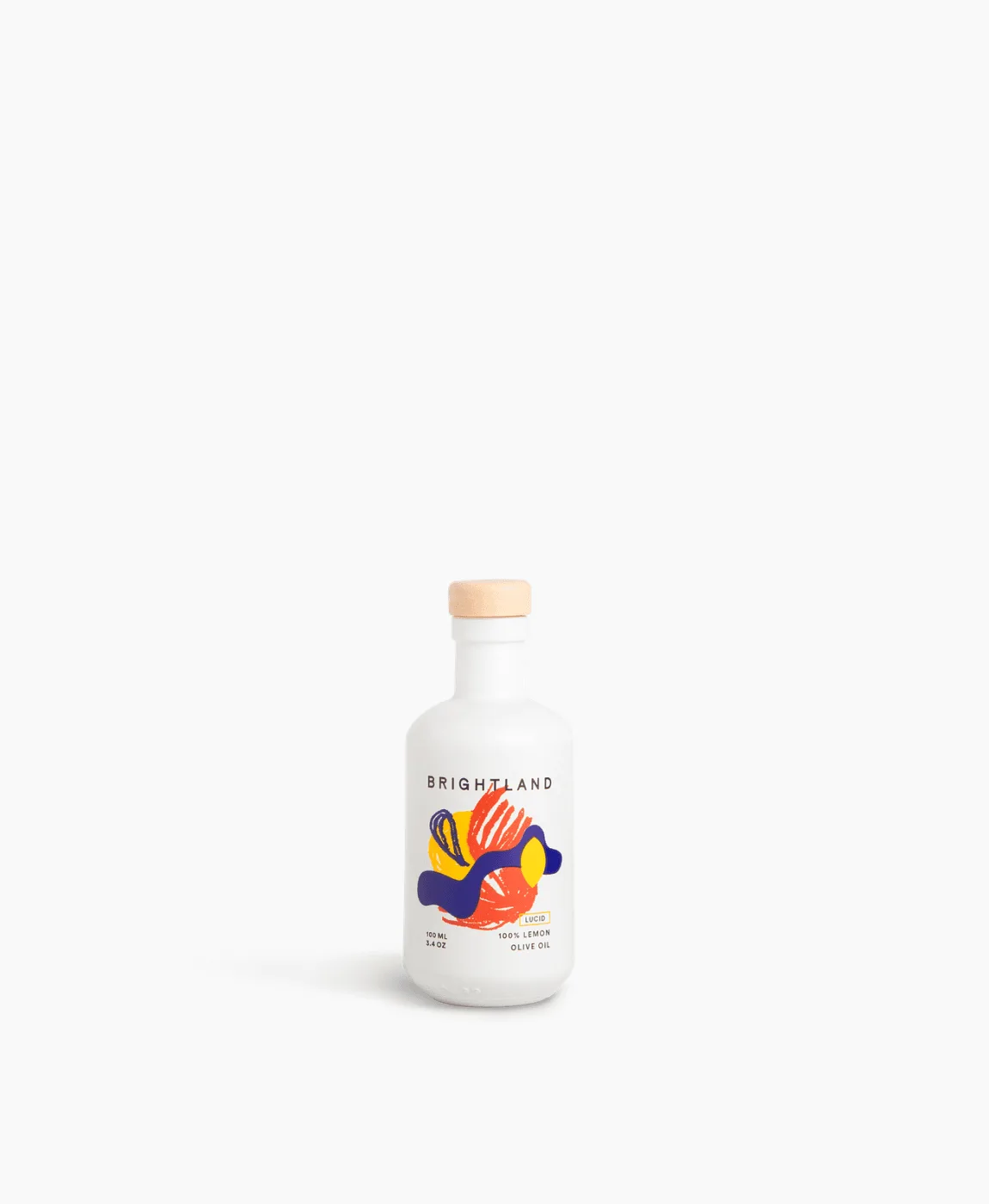
What Lucid Lemon Olive Oil is made from
Lucid Lemon Olive Oil is a lemon olive oil made from olives milled within hours of harvest and infused with bright lemon peel oil. That production detail matters for how you use it: the lemon character comes from peel oil added to the olive oil, not from lemon juice or zest stirred in later.
The catalog describes it as custom-blended for lustrous fare and golden hours, which points to a finishing role as much as a cooking one. The bottle is available in a Standard option, and the catalog price is $20.00 against a comparison price of $40.00.
Lucid Lemon Olive Oil at a glance
-
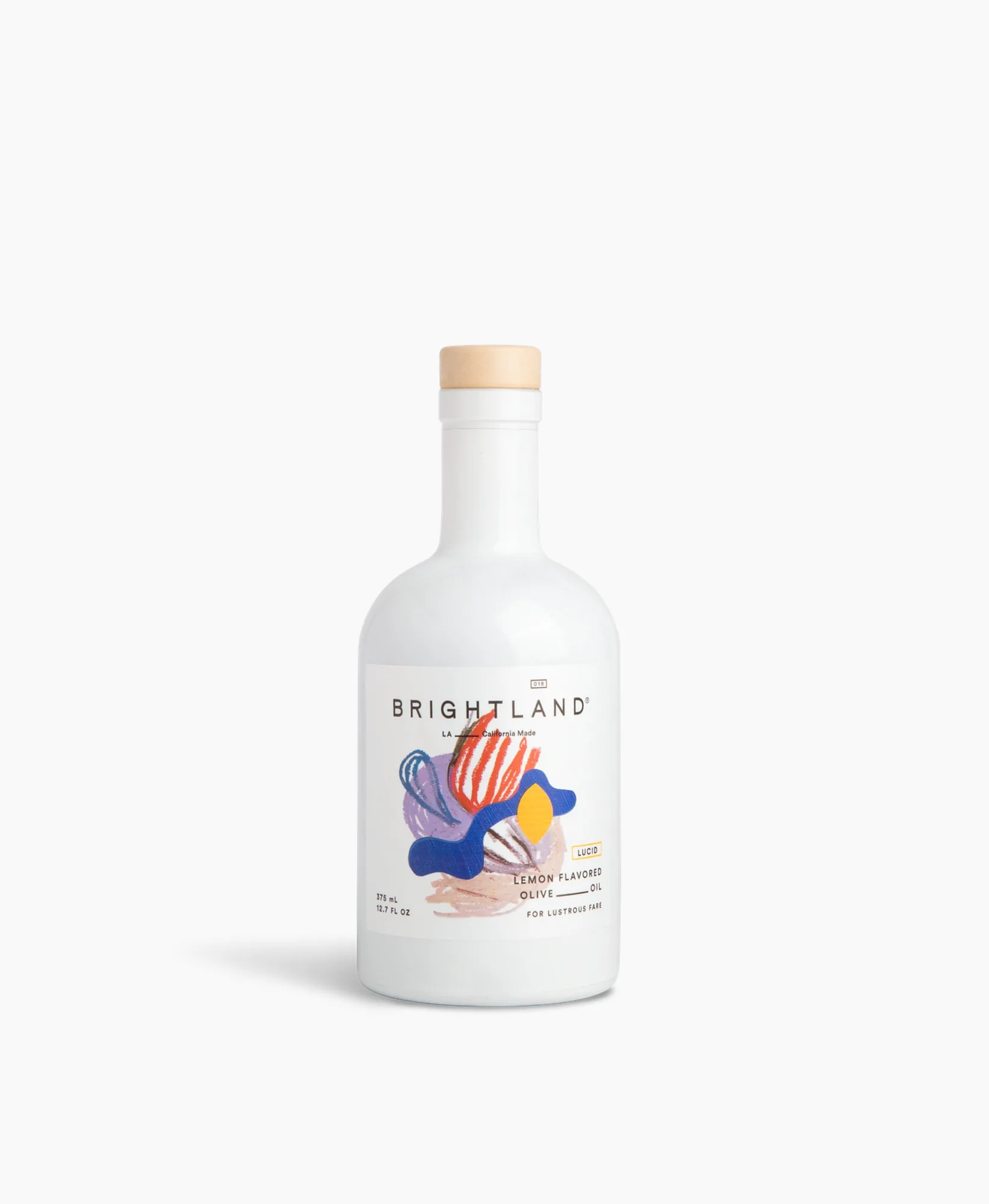
Lucid Lemon Olive Oil: Lemon olive oil made from olives milled within hours of harvest and infused with bright lemon peel oil. Explains why the lemon flavor is bright and consistent rather than dependent on fresh zest.
Lucid Lemon Olive Oil
-
Lucid Lemon Olive Oil: Custom-blended for lustrous fare and golden hours. Signals that the oil is designed for finishing and presentation as well as cooking.
-
Lucid Lemon Olive Oil: Catalog price: USD 20.00; catalog comparison price: USD 40.00. Gives you a clear cost reference before you decide how to use it.
Cooking with lemon olive oil: where it works
Use Lucid as you would a flavored olive oil: in applications where you want lemon to carry through. It suits light sautéing, roasting vegetables, and drizzling over cooked dishes. Because the lemon comes from peel oil, the flavor is already integrated, so you do not need to add zest or juice to get a citrus note.
Keep the heat moderate. The supplied record does not include a smoke point, maximum temperature, or manufacturer heating instruction for Lucid, so treat high-heat searing and deep-frying as unverified. If you need a neutral oil for very hot cooking, choose one with a documented high smoke point instead.
A simple lemon olive oil salad dressing
This dressing uses Lucid as the oil and lets the lemon peel oil do the citrus work. No quantities are supplied in the catalog, so adjust to taste.
- Start with the oil: Pour Lucid Lemon Olive Oil into a small bowl or jar. Its infused lemon flavor is the base note.
- Add an acid: Whisk in a vinegar or lemon juice. The catalog does not specify a ratio, so begin with less acid and add more until the balance suits you.
- Season: Add salt and pepper. Taste before adding extra lemon zest, since the oil already carries lemon flavor.
- Emulsify and use: Whisk or shake until combined, then toss with greens or drizzle over vegetables. Store any leftover dressing in the refrigerator.
Using Lucid as a finishing oil
The finishing role is where Lucid is easiest to appreciate. Drizzle it over grilled fish, roasted vegetables, grains, or a plate of tomatoes just before serving. The lemon peel oil adds aroma at the table, and because the oil is not being heated further, the citrus note stays forward.
A finishing oil also lets you control how much lemon flavor lands on the plate. Start with a modest drizzle and taste; you can always add more, but you cannot take it back.
Cooking vs. finishing: a quick decision guide
- Cooking with Lucid: Use moderate heat for sautéing, roasting, or warming. The catalog does not confirm a smoke point or high-heat suitability, so avoid very hot searing and deep-frying.
- Finishing with Lucid: Add after cooking or at the table. Best for salads, vegetables, fish, grains, and dishes where you want a clear lemon note.
- Lemon olive oil salad dressing: Use Lucid as the oil base and balance with acid and salt. The infused lemon peel oil means you may not need additional zest.
Storage and what the catalog does not specify
The supplied product record does not include storage instructions, shelf life, or allergen information for Lucid Lemon Olive Oil. Treat those as open questions and check the bottle label or Brightland's packaging for the manufacturer's guidance.
What the record does confirm is the ingredient story: olives milled within hours of harvest and infused with bright lemon peel oil. That is enough to plan how you cook and finish with it, but not enough to make claims about heat tolerance, dietary suitability, or shelf life beyond what is printed on the product you receive.