Why attachment method matters
A luggage tag is only useful if it stays on your case through the journey. But attaching it shouldn't mean damaging your suitcase or the tag itself. The Marsh Blue luggage tag from Antler is made from strong and durable rubber, which gives it some flexibility, but the attachment point still needs care. In this guide, we'll walk through a supported process for attaching your tag securely without causing damage, and we'll note where the supplied information leaves room for your own judgment.
The Marsh Blue tag at a glance
-
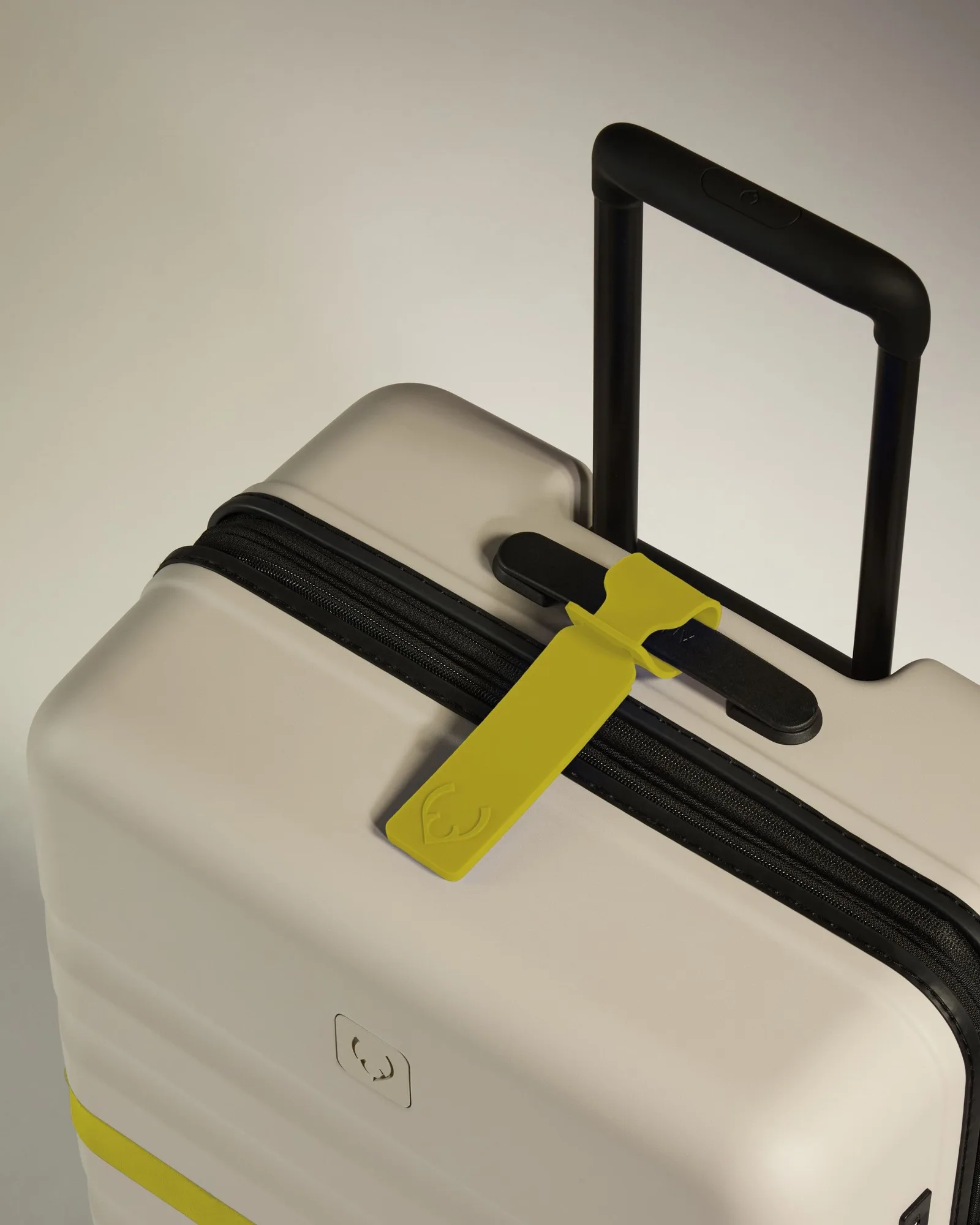
Luggage Tag in Marsh Blue: Crafted from strong and durable rubber, these luggage tags are the perfect way to personalise your travel goods. Rubber is flexible and resilient, so the tag can withstand handling, but you should still avoid sharp bends or excessive force when attaching it.
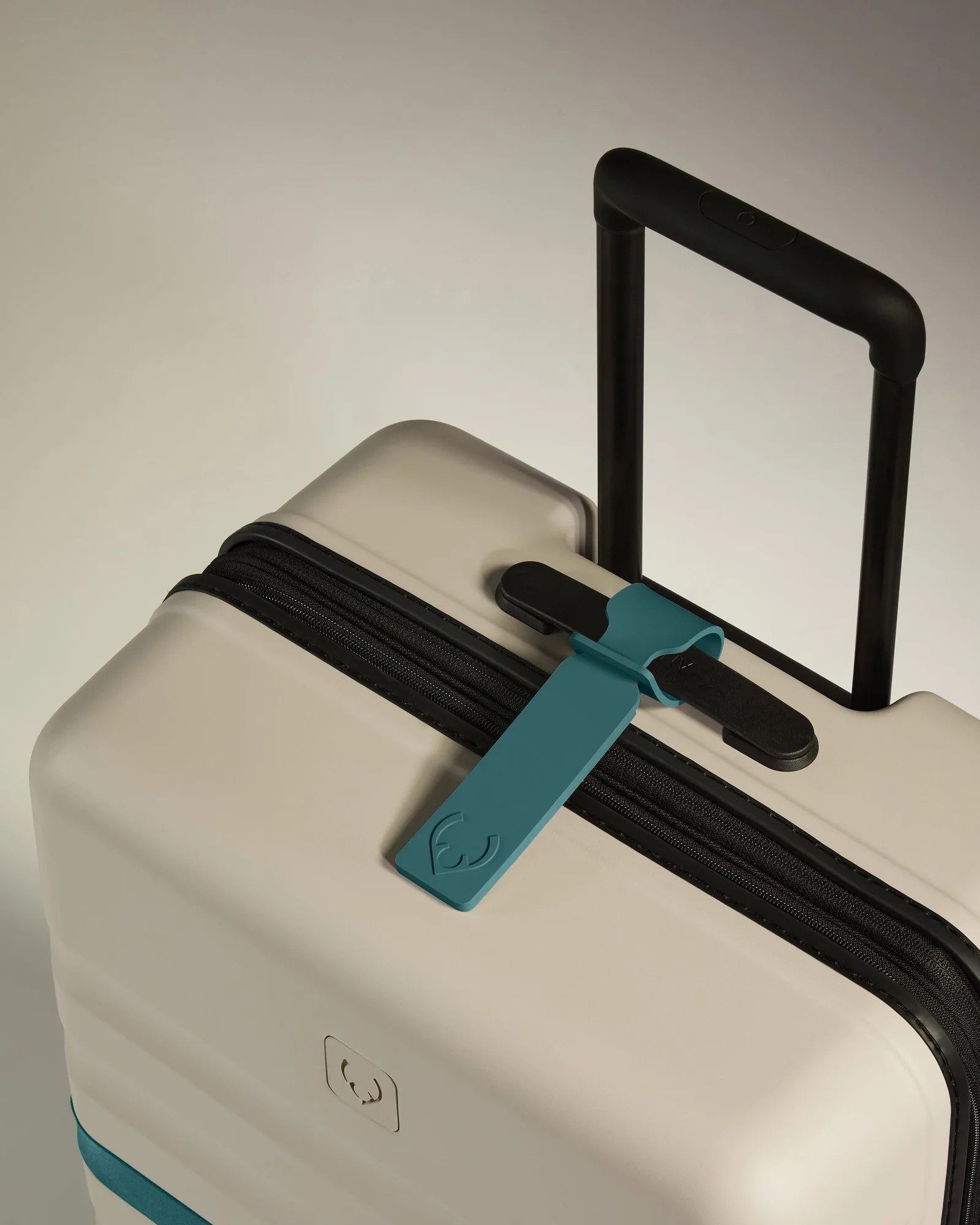
Luggage Tag in Marsh Blue
-
Luggage Tag in Marsh Blue: Complementing all our suitcases, you can effortlessly contrast or colour-match your tag with your bag for a cohesive and confident travel ensemble. This helps you choose an attachment point that works with your case's design, and reminds you that the tag is meant to complement, not damage, your luggage.
How to attach your luggage tag without damage
The supplied product information does not include specific attachment instructions, so the following steps are general best practices for rubber tags. Use your judgment and check your suitcase's handle design before proceeding.
- Choose a suitable attachment point: Look for a handle, loop, or D-ring on your suitcase that is designed for accessories. Avoid attaching to zippers, seams, or thin fabric that could tear. The Marsh Blue tag is designed to complement Antler suitcases, so check your case's handle area for a natural spot.
- Use the tag's attachment strap or loop: The Marsh Blue tag likely comes with a strap or loop (the supplied information does not specify the exact attachment mechanism). Thread the strap through the handle or loop on your case, then secure it according to the tag's design—typically by buckling or looping back through a slot.
- Avoid over-tightening: Rubber can stretch or tear if pulled too hard. Fasten the tag so it hangs securely but has a little room to move. This reduces stress on both the tag and your suitcase's handle.
- Check for sharp edges: Run your finger along the attachment point on your case. If there are sharp edges or rough seams, consider a different spot to prevent the rubber from wearing through over time.
- Test the hold: Give the tag a gentle tug to ensure it's secure. It should not slide off easily, but it should also not be so tight that it deforms the rubber.
Travel tag setup tips for secure labeling
Once your tag is attached, these tips help you label your suitcase securely and keep your information readable.
- Write clearly with a permanent marker: Use a fine-tip permanent marker to write your name and contact number on the tag's information card (if provided). The supplied information does not specify whether a card is included, so check your tag's design.
- Place contact details on the inside: If your tag has a covered window, write your details on the insert and place it inside to protect it from smudging or weather. This also keeps your information private from casual view.
- Consider a backup: For extra security, place a second tag on a different handle, or use a business card inside your case. The Marsh Blue tag comes in a variety of colours, so you could coordinate or contrast with your other accessories.
- Check before each trip: Inspect the tag and attachment for wear or looseness. Rubber can degrade over time, so replace the tag if it shows cracks or stiffness.
What the supplied information does not cover
The product record for the Marsh Blue luggage tag does not include specific care instructions, attachment diagrams, or compatibility details for non-Antler suitcases. It also does not specify the exact dimensions or weight of the tag. If you need precise attachment guidance, consult the tag's packaging or Antler's customer service. Always test your attachment method before travel to ensure it holds securely without damaging your case.