Quick Answer
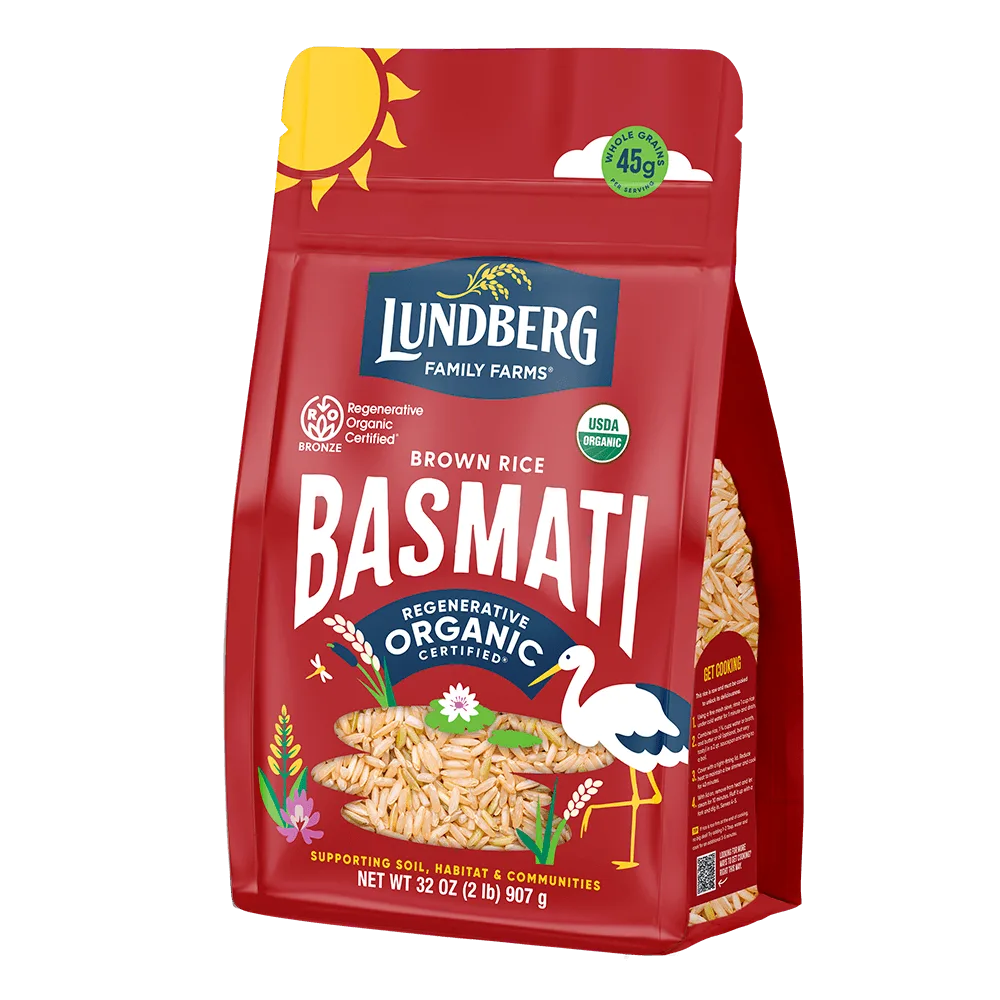
If you prioritize whole-grain nutrition and a nutty flavor, choose Lundberg https://happybiteai.shop/products/organic-brown-basmati-rice-194374Organic Brown Basmati Rice. If you prefer a lighter, fluffier texture and faster cooking, opt for Lundberg https://happybiteai.shop/products/organic-white-basmati-rice-194378https://happybiteai.shop/products/organic-white-basmati-rice-194379Organic White Basmati Rice. Both are organic and versatile, but your choice depends on your dietary goals and meal preferences.
Basmati rice is beloved for its aromatic fragrance and distinct, fluffy grains. Lundberg Family Farms offers both organic brown and white basmati varieties, each with unique characteristics that cater to different tastes and nutritional needs. Understanding the differences can help you select the perfect rice for your meals.
In this comparison, we'll explore the flavor, texture, nutritional profile, and cooking times of Lundberg's brown and white basmati rice. Whether you're meal-prepping for the week or cooking a special dinner, this guide will help you make an informed choice.
Flavor and Texture: Nutty vs. Light
Lundberg Organic Brown Basmati Rice retains its bran layer, giving it a nutty, earthy flavor and a chewier texture. The grains remain separate and fluffy when cooked, but they have more bite compared to white rice. This makes it a satisfying base for hearty dishes like grain bowls, stir-fries, and pilafs.
On the other hand, Lundberg Organic White Basmati Rice has the bran removed, resulting in a milder, more delicate flavor and a softer, fluffier texture. It's perfect for dishes where you want the rice to complement other ingredients without overpowering them, such as curries, biryanis, or as a side to grilled proteins.
- Brown basmati: nutty, chewy, and aromatic.
- White basmati: light, fluffy, and subtly fragrant.
Nutritional Comparison: Whole Grain vs. Refined
Brown basmati is a whole grain, meaning it contains all parts of the grain kernel—bran, germ, and endosperm. This provides more fiber, vitamins, and minerals compared to white rice. The higher fiber content aids digestion and helps you feel fuller longer, which can be beneficial for weight management.
White basmati, while still nutritious, has had the bran and germ removed, stripping away some nutrients. However, Lundberg's white basmati is still a good source of carbohydrates and provides quick energy. It has a higher glycemic index than brown rice, which may cause a quicker spike in blood sugar. For those managing blood sugar levels, brown basmati is often the better choice.
- Brown basmati: higher fiber, more nutrients, lower glycemic index.
- White basmati: lower fiber, higher glycemic index, quicker energy.
Cooking Time and Convenience
Brown basmati takes longer to cook due to the intact bran layer. Typically, it requires about 45-50 minutes on the stovetop, whereas white basmati cooks in about 15-20 minutes. If you're short on time, white basmati is the more convenient option.
However, both can be prepared in a rice cooker or Instant Pot for hands-off cooking. For busy weeknights, you might also consider Lundberg's 90-Second Rice products, which offer the convenience of microwavable rice in minutes. While not basmati, they provide a quick alternative when time is tight.
- Brown basmati: longer cooking time (45-50 min).
- White basmati: quicker cooking time (15-20 min).
Culinary Uses: Which Dishes Shine?
Brown basmati's nutty flavor and chewy texture hold up well in robust dishes like vegetable pilafs, rice salads, or as a bed for saucy curries. It also works beautifully in grain bowls with roasted vegetables and proteins.
White basmati is the classic choice for Indian and Middle Eastern cuisine, such as biryani, pulao, or as an accompaniment to rich curries. Its light, fluffy grains absorb flavors without becoming mushy, making it ideal for dishes where the rice should remain distinct.
- Brown basmati: hearty grain bowls, pilafs, and salads.
- White basmati: biryani, curries, and side dishes.
Trade-offs at a Glance
- Nutrition vs. Texture: Brown basmati offers more fiber and nutrients but has a chewier texture. White basmati is softer and fluffier but less nutrient-dense. Choose brown if nutrition is your priority; choose white if texture matters more.
- Cooking Time vs. Convenience: Brown basmati takes longer to cook, while white basmati is quicker. For even faster meals, consider 90-second rice products. If you're short on time, white basmati or 90-second rice are more convenient.
- Flavor Profile vs. Versatility: Brown basmati has a nutty, earthy flavor that can dominate subtle dishes. White basmati is mild and pairs well with bold flavors. Opt for brown in hearty dishes and white in delicate or strongly flavored cuisines.
Lundberg Basmati Rice Options
- Organic White Jasmine Rice: Light & buttery with a floral scent, this long grain clings together but isn't sticky, making it great for curries and pilafs. While not basmati, it offers a similar fluffy texture for dishes that need distinct kernels.
- Organic Long Grain White Rice: Regenerative Organic Certified® and subtle in flavor, this rice remains separate when cooked, serving as a versatile pantry staple. A great everyday alternative to white basmati, especially if you prefer a neutral canvas for any dish.
Which Rice Fits Your Diet?
Best For
- Individuals seeking whole-grain nutrition and higher fiber intake.
- Those managing blood sugar levels who prefer a lower glycemic index.
Not For
- Those who prioritize quick cooking and a softer, fluffier texture.
- Dishes where a neutral rice flavor is essential to let other ingredients shine.
Both Lundberg Organic Brown and White Basmati rice are excellent choices, each with its own strengths. Consider your nutritional goals, time constraints, and the flavors of your meals. Whichever you choose, you'll enjoy the quality and organic integrity that Lundberg Family Farms is known for. Explore our selection to find the perfect rice for your next dish.