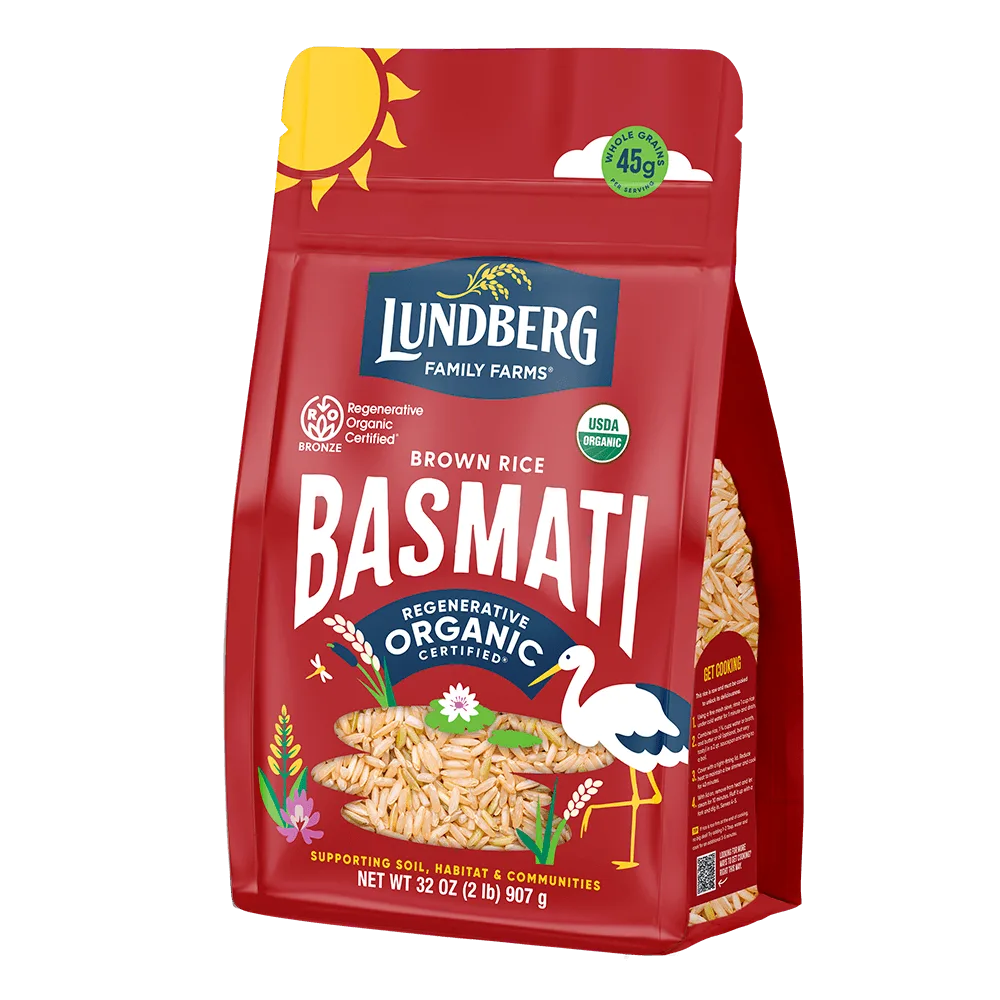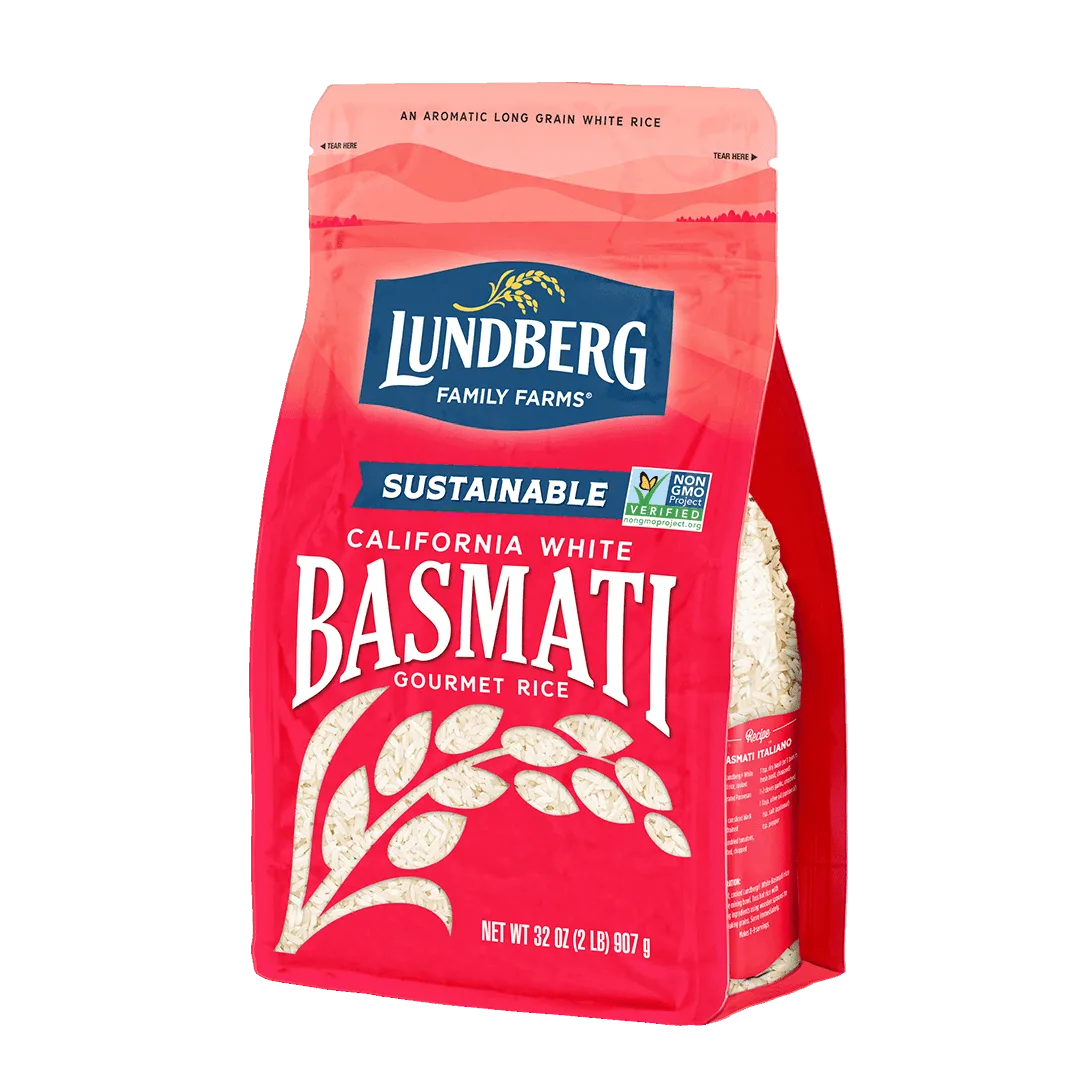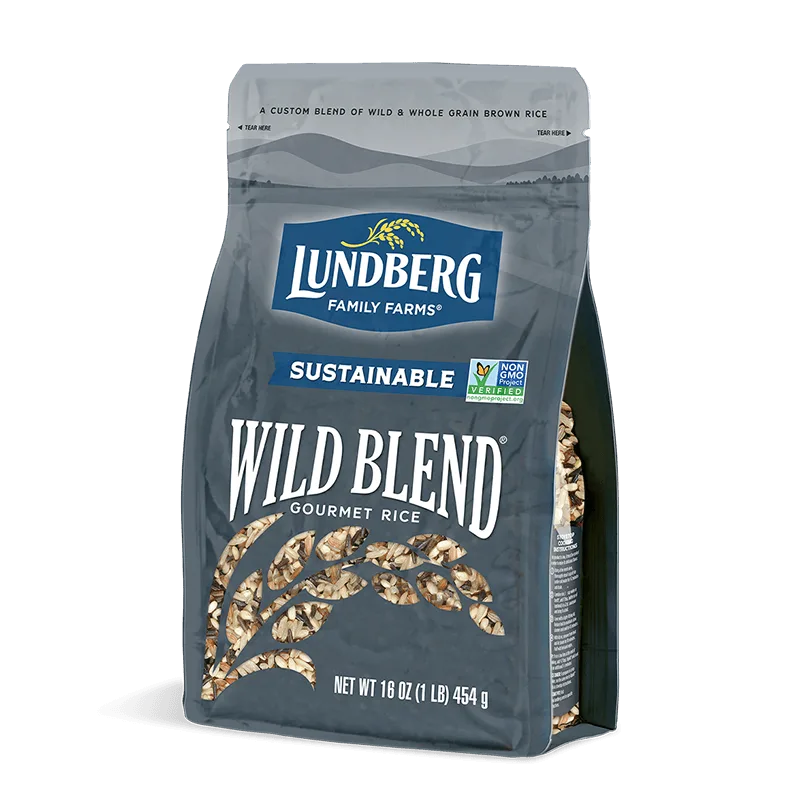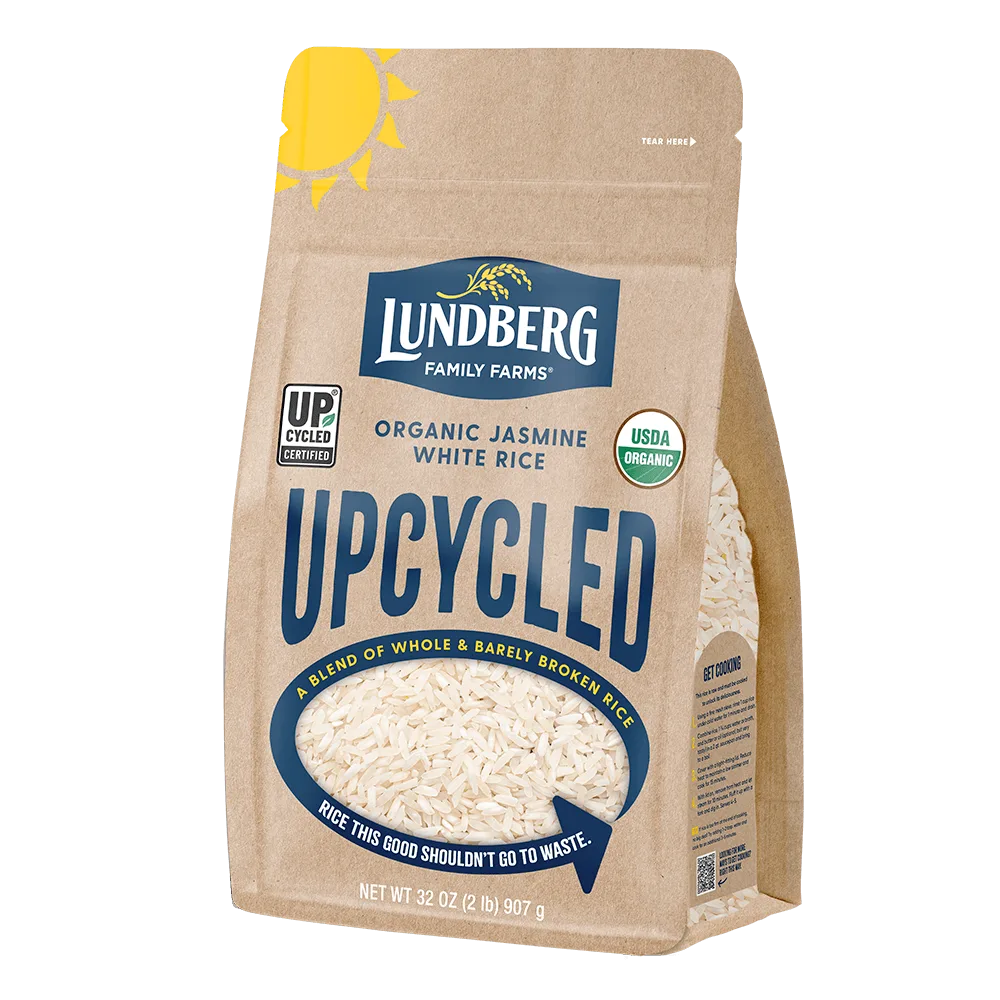
When it comes to adding variety to your meals, few grains are as intriguing as black rice and wild rice. Both bring a striking dark color, a nutty flavor, and a host of nutrients to the table, but they are fundamentally different ingredients. Lundberg https://happybiteai.shop/products/organic-black-pearl-rice-194372Organic Black Pearl Rice is a whole-grain black rice grown in California, while wild rice is not actually rice at all—it's an aquatic grass seed. Understanding these differences can help you choose the right grain for your cooking and nutritional goals.
In this comparison, we'll dive into the nutritional profiles, flavor and texture differences, cooking methods, and best uses for Lundberg Organic Black Pearl Rice and wild rice. By the end, you'll know exactly when to reach for each of these exotic grains.
What Is Lundberg Organic Black Pearl Rice?
Lundberg Organic Black Pearl Rice is a variety of black rice, also known as forbidden rice, grown organically in California. It is a whole-grain rice that retains its bran layer, giving it a deep black-purple color and a slightly chewy texture. The name 'Black Pearl' reflects its shiny, pearl-like appearance when cooked. This rice is rich in anthocyanins, the same antioxidants found in blueberries and blackberries, which contribute to its dark hue and potential health benefits.
Unlike wild rice, which is a grass seed, black pearl rice is true rice (Oryza sativa). It cooks in about 30 minutes and has a mild, nutty flavor that pairs well with a wide range of dishes. Lundberg's version is certified organic and non-GMO, ensuring a clean product that supports sustainable farming.
- Whole-grain true rice with a dark bran layer
- Rich in anthocyanins and fiber
- Cooks in about 30 minutes on the stovetop
What Is Wild Rice?
Wild rice (Zizania) is not a rice but a semi-aquatic grass native to North America, particularly the Great Lakes region. It has a long, dark brown or black grain with a distinctly earthy, smoky flavor and a chewy texture. Wild rice is often harvested from natural waterways or cultivated in paddies, and it is prized for its high protein content and nutty taste.
Because wild rice is a grass seed, it has a different nutritional profile than true rice. It is higher in protein and fiber, and it contains more minerals like zinc and phosphorus. However, it also takes longer to cook—often 45 to 60 minutes—and requires more water. Wild rice is commonly used in soups, salads, and pilafs, where its robust flavor can shine.
- Not true rice; it's an aquatic grass seed
- Higher in protein and fiber than most rice varieties
- Longer cooking time (45–60 minutes)
Nutritional Comparison: Black Pearl Rice vs Wild Rice
When comparing nutrition, both grains offer impressive benefits, but they differ in key areas. Lundberg Organic Black Pearl Rice is a whole grain that provides a good amount of fiber and antioxidants, particularly anthocyanins. A typical serving (1/4 cup dry) contains about 160 calories, 3 grams of protein, and 2 grams of fiber. Wild rice, on the other hand, is slightly higher in protein (about 4 grams per serving) and fiber (3 grams), and it also provides more minerals like zinc and magnesium.
However, black rice has a unique advantage: its anthocyanin content, which may help reduce inflammation and support heart health. Wild rice lacks these specific antioxidants but offers a broader range of minerals. Both are gluten-free and have a low glycemic index, making them suitable for blood sugar management. Your choice may come down to whether you prioritize antioxidant richness or protein and mineral density.
- Black Pearl Rice: higher in anthocyanins, lower in protein
- Wild Rice: higher in protein and minerals like zinc and magnesium
- Both are gluten-free and low glycemic
Flavor and Texture: How Do They Differ?
Flavor and texture are where these two grains truly diverge. Lundberg Organic Black Pearl Rice has a mild, slightly sweet, and nutty flavor with a tender yet chewy texture. It absorbs other flavors well, making it a versatile base for stir-fries, grain bowls, and even desserts like rice pudding. Its dark color can add dramatic visual appeal to any dish.
Wild rice, in contrast, has a much stronger, earthy, and smoky flavor. Its texture is firmer and more distinct, with each grain maintaining a separate, chewy bite. This makes wild rice ideal for hearty dishes like soups, casseroles, and stuffings, where it can stand up to bold seasonings and other robust ingredients.
- Black Pearl Rice: mild, nutty, tender-chewy
- Wild Rice: earthy, smoky, firm and chewy
- Choose based on the flavor profile of your dish
Cooking Methods and Times
Cooking these grains requires different approaches. Lundberg Organic Black Pearl Rice can be prepared on the stovetop with a 1:2 ratio of rice to water. Bring to a boil, then reduce heat, cover, and simmer for about 30 minutes. It also works well in a rice cooker or pressure cooker for convenience. For a faster option, you can use Lundberg's 90-Second Brown Jasmine Rice as a quick alternative, but for this comparison, stick to the traditional method.
Wild rice needs more water and time. Use a 1:3 ratio of wild rice to water, and simmer for 45 to 60 minutes until the grains split open and become tender. Some cooks prefer to soak wild rice for a few hours to reduce cooking time, but it's not necessary. Both grains can be cooked in bulk and stored in the refrigerator for up to a week, making them great for meal prep.
- Black Pearl Rice: 1:2 water ratio, 30 minutes
- Wild Rice: 1:3 water ratio, 45–60 minutes
- Soaking wild rice can shorten cooking time
Best Uses in Recipes
Lundberg Organic Black Pearl Rice is incredibly versatile. Its mild flavor and beautiful color make it perfect for grain bowls, salads, and side dishes. You can also use it in sushi, risotto, or even as a base for a vibrant black rice pudding. For a quick weeknight meal, pair it with roasted vegetables and a protein of your choice. If you're looking for a convenient option, Lundberg's 90-Second Brown Jasmine Rice offers a similar whole-grain experience with added speed.
Wild rice is best in dishes where its robust flavor can take center stage. Classic uses include wild rice soup, chicken and wild rice casserole, or a hearty autumn salad with dried cranberries and nuts. It also makes a delicious stuffing for poultry or mushrooms. Because of its firm texture, wild rice holds up well in soups and stews without becoming mushy.
- Black Pearl Rice: grain bowls, salads, risotto, desserts
- Wild Rice: soups, casseroles, stuffing, salads
- Both can be used in pilafs and side dishes
Price and Availability
Price can be a deciding factor. Lundberg Organic Black Pearl Rice is typically more expensive than standard white rice but is comparable to other specialty whole grains. It is widely available in grocery stores and online. Wild rice, especially hand-harvested varieties, can be pricier due to its labor-intensive harvesting, but cultivated wild rice is more affordable and commonly found in supermarkets.
Both grains are available year-round, but wild rice may have seasonal availability if you buy from local producers. Lundberg's products are consistently available and offer a reliable choice for organic black rice.
- Black Pearl Rice: moderately priced, widely available
- Wild Rice: can be pricey, especially hand-harvested
- Both are available in most grocery stores
Both Lundberg Organic Black Pearl Rice and wild rice are nutritious, flavorful additions to your pantry. If you want a versatile, antioxidant-rich true rice with a milder taste, choose Black Pearl Rice. If you prefer a robust, earthy grain with higher protein and a firmer texture, wild rice is your pick. Whichever you choose, you'll enjoy a delicious and healthy alternative to plain white rice. Explore Lundberg Organic Black Pearl Rice to add a touch of elegance and nutrition to your next meal.