Quick answer
For a WWII impression, choose a leather liner chinstrap for early-war accuracy and durability, or a web chinstrap for later-war and budget-friendly authenticity. Leather offers a classic look but requires more care; web is lighter and easier to maintain. Consider your impression's specific time and unit to make the best choice.
When putting together a WWII US helmet impression, the liner chinstrap is a small but visible detail that can make or break authenticity. While many reenactors focus on the helmet shell and liner, the chinstrap is what secures the liner to your head and adds period-correct character. The two main options are leather and web, each with its own history and practical tradeoffs.
In this comparison, we'll break down the differences between leather and web M1 helmet liner chinstraps, helping you decide which fits your impression, budget, and maintenance preferences. We'll also reference specific products from atthefront to give you concrete options.
Leather Liner Chinstraps: Classic and Durable
Leather liner chinstraps were standard on early WWII M1 helmets, reflecting the pre-war and early-war manufacturing. They offer a rugged, authentic appearance that many collectors and reenactors prefer for early-war impressions (1941-1943). Leather also tends to be more durable than web, holding up well to repeated use and field conditions.
However, leather requires more maintenance. It can dry out, crack, or absorb moisture, so you'll need to condition it periodically. Leather straps also tend to be heavier and may feel stiffer initially, though they break in over time. If you're aiming for a precise early-war look, leather is the go-to choice.
- Look for a leather chinstrap with period-correct stitching and hardware.
- Condition leather regularly to prevent cracking and maintain flexibility.
Web Liner Chinstraps: Lightweight and Late-War
Web chinstraps became more common as the war progressed, especially from 1943 onward. They are lighter and often more affordable than leather, making them a practical choice for later-war impressions or for reenactors on a budget. Web is also easier to maintain—just machine wash or hand wash and air dry.
The downside is that web may not have the same visual weight or historical resonance as leather for early-war scenarios. It can also fray or fade over time, though this can add a worn-in look that some reenactors appreciate. For late-war or Pacific theater impressions, web is often the more accurate choice.
- Web straps are easier to replace and maintain than leather.
- Consider the specific unit and time period you're portraying when choosing.
How to Choose Based on Your Impression
Your choice should be guided by the specific impression you're building. If you're portraying a paratrooper or early-war infantryman, leather is likely the most accurate. For late-war or post-D-Day scenarios, web is more appropriate. Also consider your climate: leather can be uncomfortable in hot, humid conditions, while web breathes better.
Budget is another factor. Web chinstraps are typically less expensive, making them a good entry point for new reenactors. Leather, while pricier, offers a premium feel and longevity that many find worth the investment. Ultimately, the best choice is the one that aligns with your historical accuracy goals and practical needs.
- Match the chinstrap material to the year and unit you're portraying.
- If you're unsure, start with web for versatility and upgrade to leather later.
Tradeoffs: Leather vs Web
- Durability: Leather is more durable and long-lasting, but requires conditioning to prevent cracking. Web is lighter and easier to maintain, but can fray or fade. Choose leather for long-term investment, web for low-maintenance use.
- Historical Accuracy: Leather is correct for early-war (1941-1943), while web is more accurate for late-war (1943-1945). Match the material to your impression's time period.
- Comfort and Weight: Leather is heavier and stiffer initially, but breaks in. Web is lighter and more breathable, ideal for hot climates. Consider your climate and comfort needs.
- Cost: Web chinstraps are generally more affordable, making them a budget-friendly option. Leather tends to be more expensive. Weigh your budget against your accuracy goals.
Product Facts
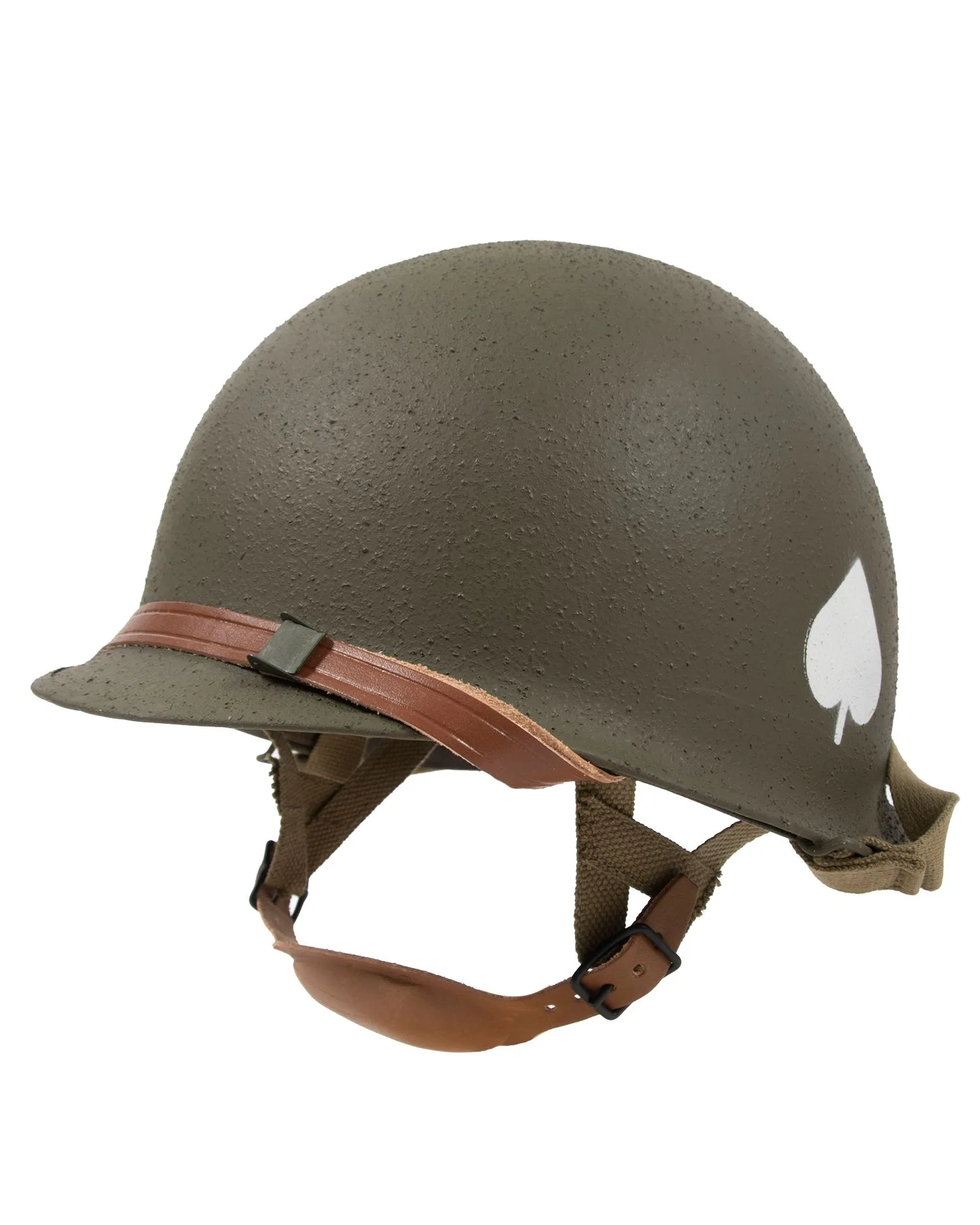
- 506th M2 Paratrooper Helmet: The 506th M2 Paratrooper Helmet is a USA-made reproduction designed for historical reenactment and display. This helmet offers multiple customization options to suit your specific impression needs. Choose from No Net, Olive Drab Net, or Khaki Net options to match your desired look. Select No Scrim or add a scrim for an additional charge to enhance authenticity. Optional Para First Aid Packet or Original Material Packet... This helmet is a great base for a paratrooper impression, and its customization options let you match the chinstrap and other details to your specific unit and time period.
- https://wildernessworks.shop/products/usmc-m1907-sling-99174USMC M1907 Sling: The USMC M1907 Sling is a reproduction of the classic sling used by the United States Marine Corps. This product is designed for use with rifles and other firearms that require a traditional leather sling. Reproduction of the historic USMC M1907 sling design. Constructed from leather for durability and authenticity. Adjustable length to fit various rifle configurations. Includes metal hardware for secure attachment. Suitable... While not a chinstrap, this leather sling demonstrates the same material quality and historical accuracy you can expect from leather accessories, and it pairs well with a leather liner chinstrap for a cohesive early-war look.
Which Should You Choose?
Best for
- Early-war reenactors (1941-1943) seeking historical accuracy and durability.
- Collectors who prioritize authenticity and are willing to maintain leather.
Not for
- Late-war or Pacific theater impressions where web is more accurate.
- Reenactors on a tight budget or those who prefer low-maintenance gear.
Choosing between leather and web M1 helmet liner chinstraps comes down to your impression's time period, your maintenance preferences, and your budget. Leather offers classic durability and early-war accuracy, while web provides lightweight, low-cost versatility for late-war scenarios. By weighing these tradeoffs, you can select the chinstrap that best completes your WWII helmet setup.