The M2 paratrooper helmet is one of the most iconic pieces of WWII airborne gear, worn by American paratroopers during the Normandy invasion, Operation Market Garden, and the Battle of the Bulge. Its distinct design—with a fixed bale, fiberglass liner, and specific chinstrap configuration—sets it apart from standard M1 helmets. For collectors and reenactors, identifying an authentic M2 helmet is crucial to building a historically accurate impression.
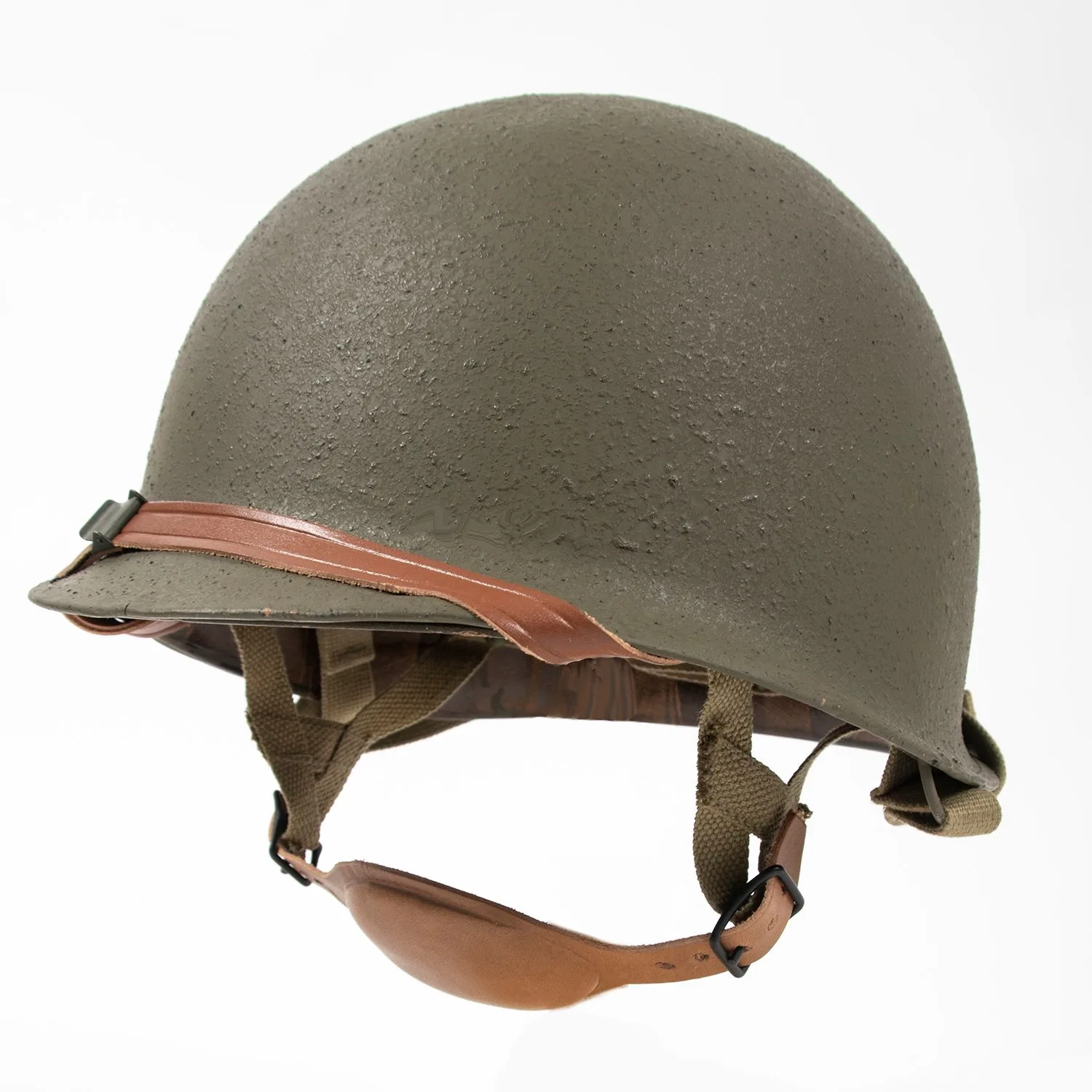
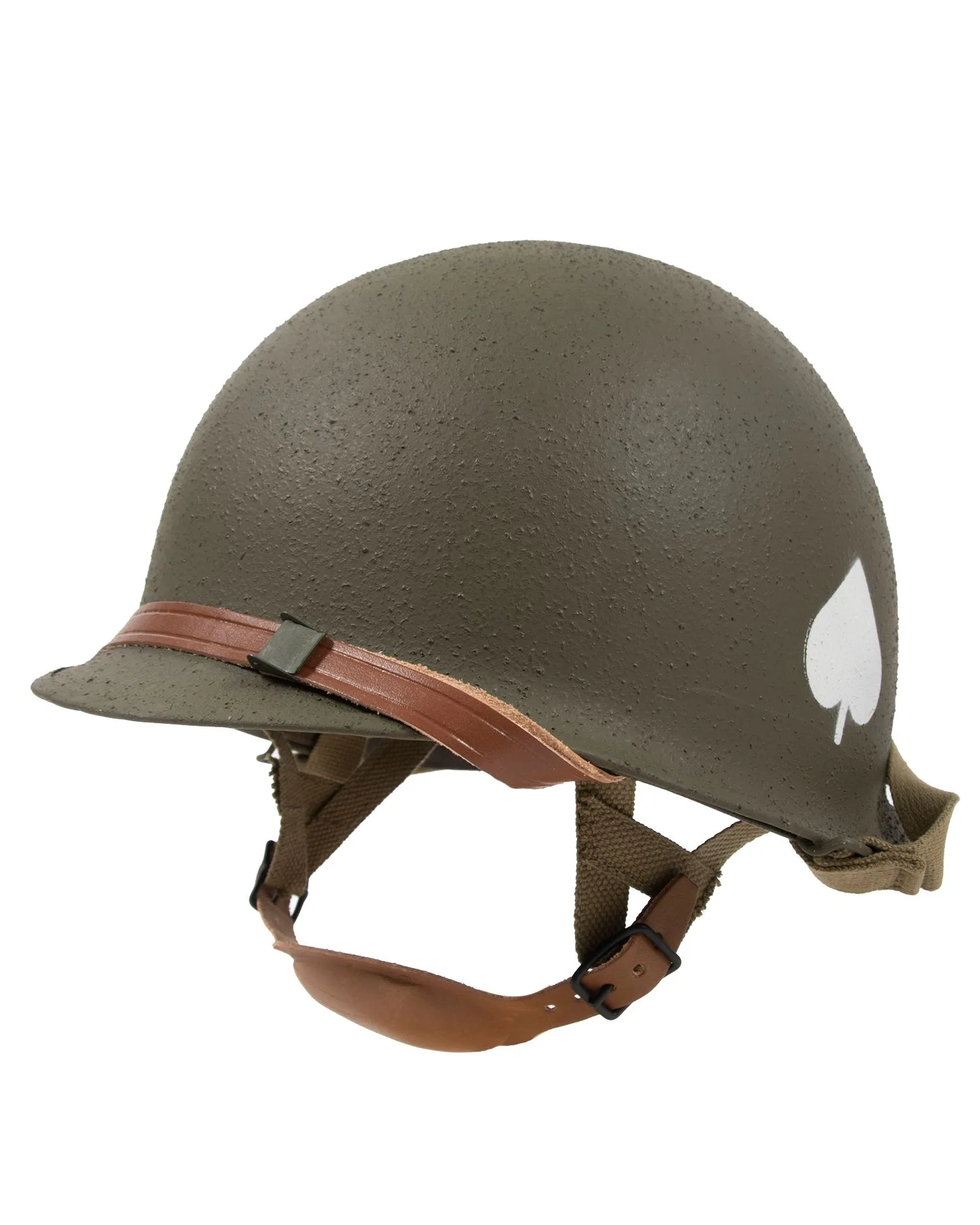
M2 paratrooper helmet
In this guide, we'll break down the essential features of the M2 paratrooper helmet, from the shell and liner to the chinstrap and webbing. We'll also share practical tips for verifying authenticity so you can avoid common reproduction pitfalls. Whether you're building a full airborne kit or just starting your collection, understanding these details will help you make informed purchases.
Shell and Bale Configuration
The M2 helmet shell is based on the standard M1 design but features fixed, non-rotating bales (the loops that hold the chinstrap). Unlike later M1 helmets with swivel bales, the M2's bales are welded or riveted in place. The shell is typically a front-seam model with a stainless steel rim, though early production may have a copper or brass rim. The front seam is a key authenticity marker, as paratrooper helmets were produced before the rear-seam design became standard.
The shell's shape is identical to the M1, but the fixed bales are a dead giveaway. Many reproduction M2 helmets use swivel bale shells with fake fixed bales added, so examine the bales closely. The bales should be evenly spaced and firmly attached. The front seam should be clean and continuous. For collectors, a genuine M2 shell will also have a heat stamp (e.g., "660B" or "R91A") that corresponds to known production runs.
- Look for fixed, non-rotating bales—this is the most critical feature.
- Check for a front seam and stainless steel rim; avoid rear-seam shells.
- Heat stamps should be consistent with known M2 production numbers.
Liner and Suspension System
The M2 liner is distinct from standard M1 liners. It uses a fiberglass shell with a nape strap and a leather chin cup. The suspension system includes a headband with webbing that adjusts for fit. Unlike the later M1 liners with a sweatband, the M2 liner has a simpler design with a single webbing band around the crown. The liner should be marked with a manufacturer's name and date, such as "Westinghouse" or "Mine Safety Appliances."
The nape strap is a key identifier—it is a leather strap that snaps across the back of the neck to secure the liner. Many reproductions use a simple webbing strap instead. The leather chin cup should be attached to the chinstrap via a metal D-ring. Authentic liners often show age-appropriate wear, such as cracked fiberglass or faded webbing, but avoid liners with excessive damage.
- The liner must be fiberglass, not plastic—tap it to hear a distinct sound.
- Look for a leather nape strap with a snap closure.
- Check for manufacturer markings and date stamps inside the liner.
Chinstrap and Chin Cup Details
The M2 chinstrap is a two-piece design with a leather chin cup and a metal buckle. The strap attaches to the fixed bales on the shell and to the liner's nape strap. The chin cup is made of thick leather with a D-ring for adjustment. The buckle is typically a blackened brass or steel type, similar to the M1 but with a wider width. Authentic straps are often stitched with heavy thread and show a distinct patina.
One common reproduction mistake is using a modern nylon or thin leather strap. Genuine M2 straps are thick, supple, and have a natural grain. The stitching should be uniform and slightly irregular—machine stitching is a red flag. For a complete kit, consider pairing the helmet with a proper https://wildernessworks.shop/products/us-highneck-sweater-99172US Highneck Sweater or a https://wildernessworks.shop/products/standard-m1942-paratrooper-jacket-99166Standard M1942 Paratrooper Jacket for a cohesive look.
- The chin cup must be leather, not synthetic—check the texture and smell.
- The buckle should be metal with a dull finish, not shiny brass.
- Stitching should be heavy and slightly irregular, not perfectly uniform.
Webbing and Accessories
The M2 helmet's webbing system includes a headband and crown suspension. The webbing is typically khaki or olive drab, made of cotton or a cotton-nylon blend. The headband adjusts via a metal tab and buckle. Authentic webbing is often stiff with age and may show signs of mildew or dirt. Avoid webbing that is too clean or has a modern synthetic feel.
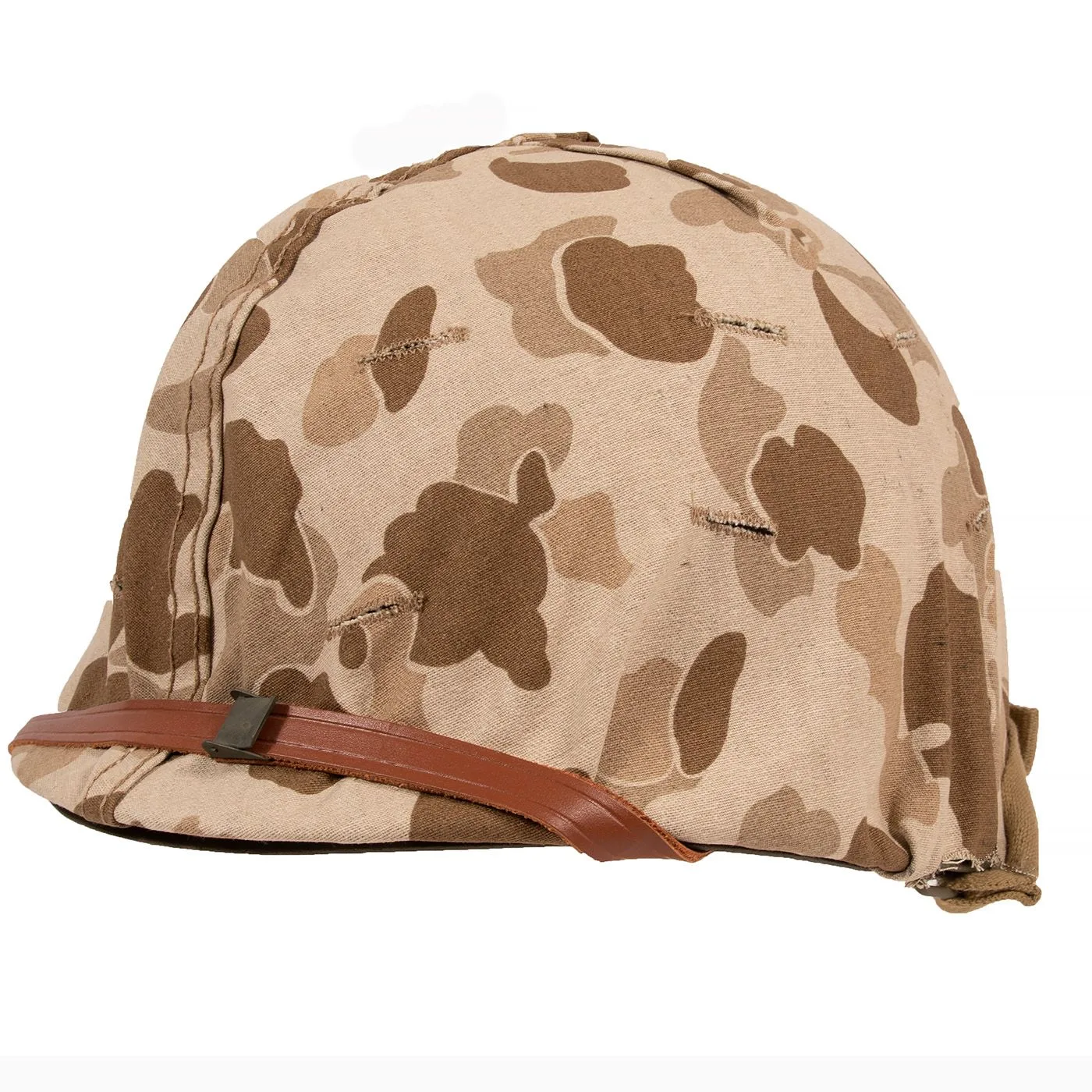
Accessories like the liner chinstrap and helmet cover are also important for authenticity. A Liner Chinstrap, Leather is a period-correct addition that secures the liner to the shell. For paratrooper impressions, a Smock and Helmet Cover Package can provide a complete, accurate look. These covers were often worn over the helmet to reduce shine and add camouflage.
- Look for cotton webbing with a dull, matte finish.
- The headband should have a metal adjustment tab, not plastic.
- Pair the helmet with a period-correct cover for a complete impression.
Common Reproduction Pitfalls
Reproduction M2 helmets have improved over the years, but they still have telltale signs. Many use a swivel bale shell with welded fixed bales—look for weld marks on the inside. The liner is often plastic or resin instead of fiberglass. The chinstrap may be too thin or made of synthetic leather. The webbing is frequently too bright or has a nylon sheen.
Another red flag is the heat stamp. Many reproductions have fake stamps that are too crisp or in the wrong location. Authentic stamps are often faint and partially worn. The rim should be stainless steel, not painted or chrome. For a reliable source, consider purchasing from reputable dealers who specialize in WWII gear.
- Check the inside of the shell for weld marks on the bales.
- Tap the liner—fiberglass sounds different from plastic.
- Compare the heat stamp to known authentic examples.
Building an authentic M2 paratrooper helmet requires attention to detail, from the fixed bales and fiberglass liner to the leather chinstrap and webbing. By understanding these features, you can avoid common reproductions and build a kit that honors the legacy of WWII airborne troops. For a complete impression, explore our selection of period-correct gear, including the Standard M1942 Paratrooper Jacket and other airborne essentials.