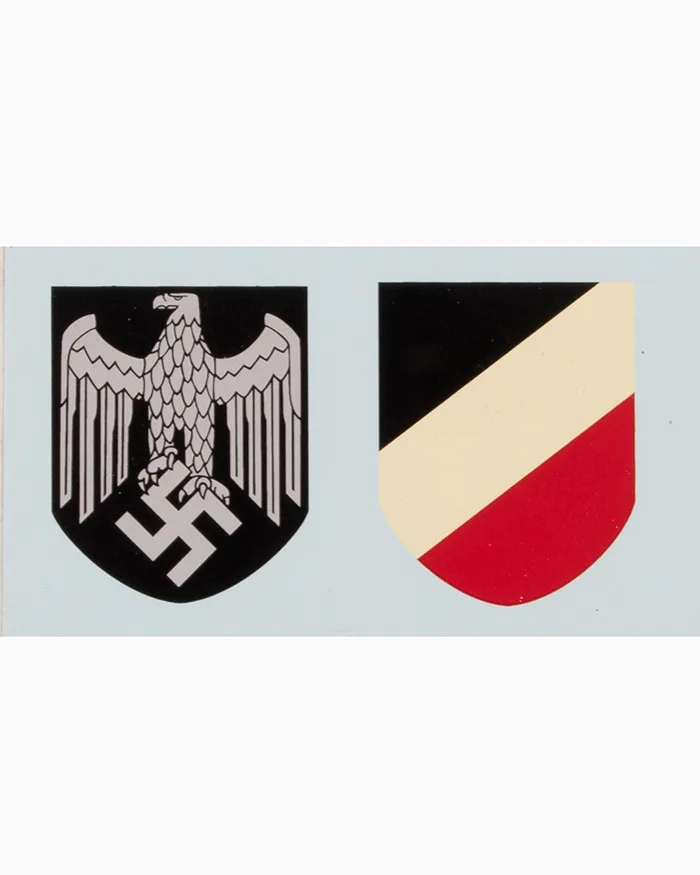
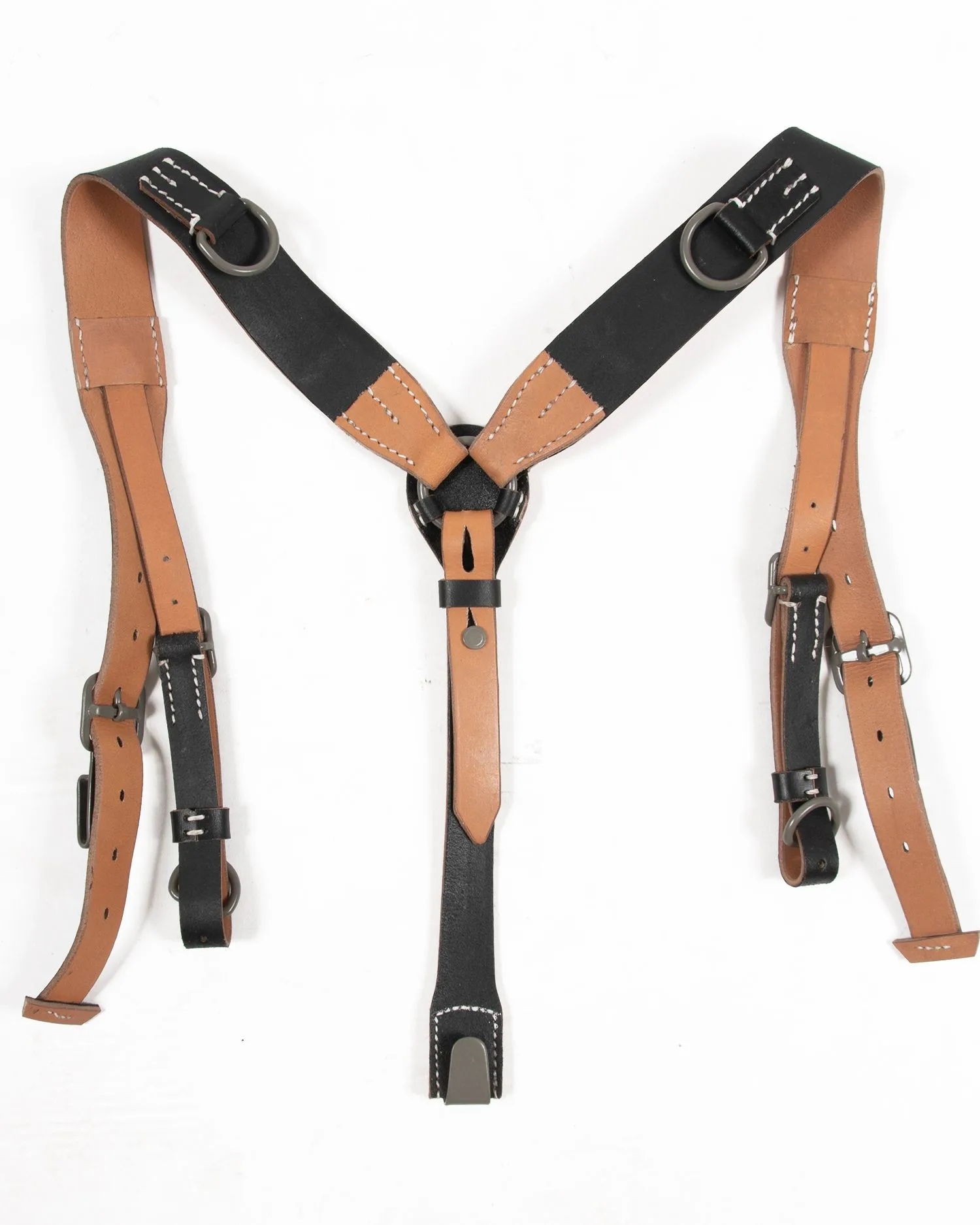
Getting the right fit for your M2 paratrooper helmet is essential for both comfort and historical accuracy. Unlike standard M1 helmets, the M2 paratrooper helmet features a unique chinstrap and liner system designed to stay secure during jumps. Whether you are a seasoned reenactor or a new collector, understanding how to measure your head and select the correct size will make your impression look and feel authentic.
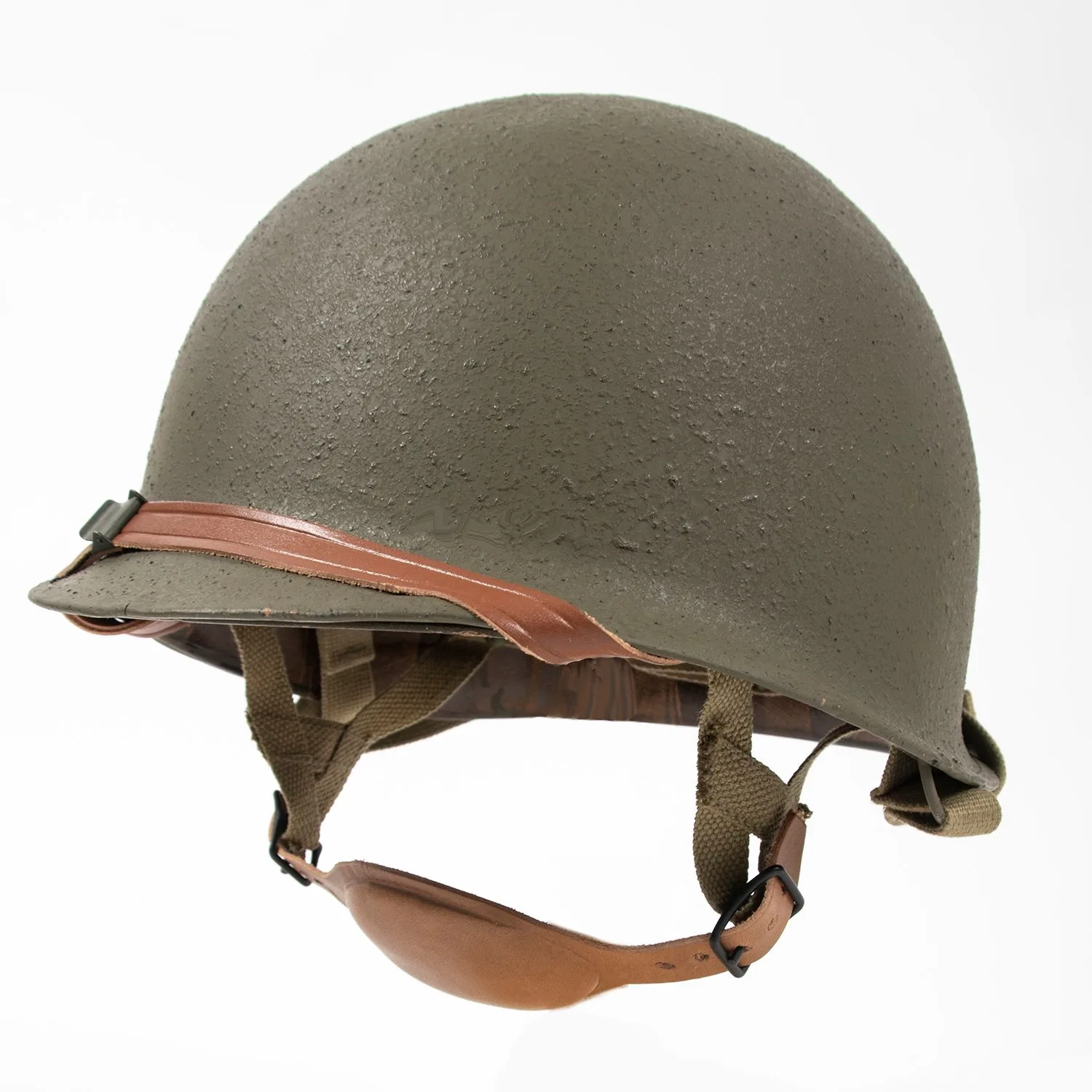
M2 paratrooper helmet
In this guide, we will walk you through the key measurements, liner options, and common fit issues. We will also highlight essential products like the https://wildernessworks.shop/products/m1-helmet-wwii-parts-99258https://wildernessworks.shop/products/m1-helmet-wwii-parts-99285M1 Helmet WWII Parts and Single Button M43 Cap that can complement your paratrooper kit. By the end, you will have a clear plan for achieving a proper M2 helmet fit.
Understanding M2 Paratrooper Helmet Anatomy
The M2 paratrooper helmet shares many components with the standard M1 helmet but includes a special chinstrap with a D-ring and a more robust suspension system. The outer shell is identical in size to the M1, but the liner and chinstrap are what make it distinct. The liner typically uses a webbing suspension that can be adjusted for depth and circumference.
When sizing an M2 helmet, you must consider both the shell size and the liner size. Shells are usually marked with a size (e.g., small, medium, large) or a circumference range. Liners also have their own sizing, and they can be swapped between shells as long as they are compatible. Always check that the liner fits snugly inside the shell without rattling.
- Measure your head circumference just above the eyebrows and ears using a flexible tape measure.
- Compare your measurement to the shell size chart: Small (21-22 in), Medium (22-23 in), Large (23-24 in).
- If you are between sizes, opt for the larger shell and adjust the liner with padding or a thicker sweatband.
How to Measure Your Head for an M2 Helmet
To get an accurate measurement, wrap a cloth tape measure around your head at the widest point—typically about one inch above your eyebrows and just above your ears. Ensure the tape is snug but not tight. Write down the measurement in inches or centimeters. Most reproduction M2 helmets follow US sizing standards, so a circumference of 22.5 inches usually corresponds to a medium shell.
After determining your shell size, try the helmet on with your liner. The liner should sit evenly on your head without tilting forward or backward. The webbing suspension should cradle your crown, and the sweatband should contact your forehead and temples. If the liner feels too loose, you can add a thin pad or adjust the webbing tension. For a tighter fit, consider using a thicker sweatband or a helmet cover to add friction.
- Do not rely solely on hat size—always measure your head directly.
- Try on the helmet with any headgear you plan to wear underneath, such as a wool cap or the German WWII Toque.
- If you wear eyeglasses, ensure the helmet does not press them against your temples.
Common Fit Issues and Solutions
One of the most common problems with M2 paratrooper helmets is the liner shifting during movement. This can happen if the suspension is too loose or if the liner does not match the shell size. To fix this, check that the liner's webbing is properly adjusted—most liners have a drawstring or lace that allows you to tighten the crown. If the liner still moves, you can add a thin foam pad between the liner and the shell.
Another issue is the chinstrap rubbing against the chin or neck. The M2 chinstrap uses a D-ring and buckle system that should be adjusted so it is snug but not uncomfortable. If the strap is too long, you can shorten it by tying a knot or using a small buckle. For a more authentic feel, some reenactors prefer to wear a wool cap or the Single Button M43 Cap underneath the helmet to reduce chafing.
- If the helmet feels too heavy, check that the liner is distributing weight evenly across your head.
- Always test the fit by nodding and shaking your head—the helmet should stay in place.
- For cold-weather impressions, a thin knit cap like the German WWII Toque can improve fit and warmth.
Recommended Products for M2 Helmet Setup
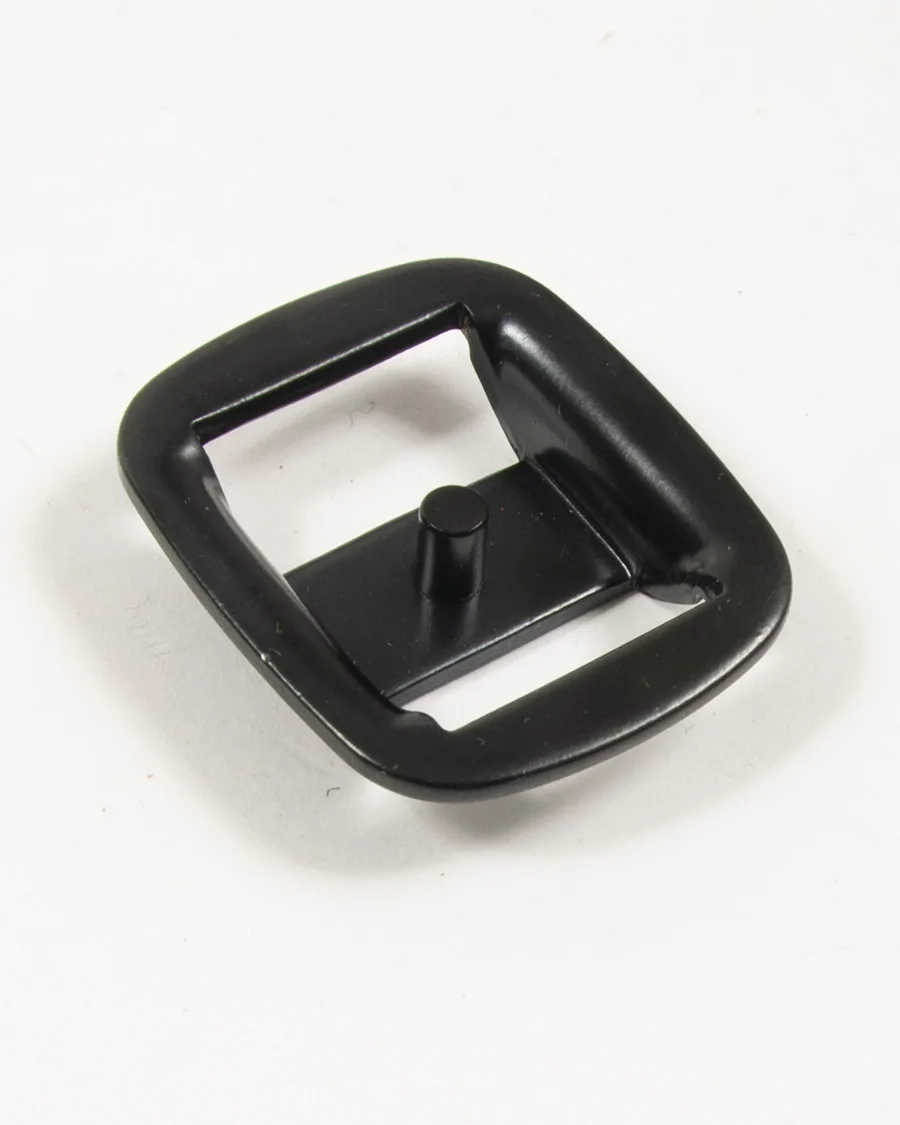
Building a complete M2 paratrooper helmet setup requires more than just the shell and liner. The M1 Helmet WWII Parts category includes replacement chinstraps, webbing, and hardware that can help you restore or customize your helmet. These parts are made to original specifications and ensure your helmet functions as intended.
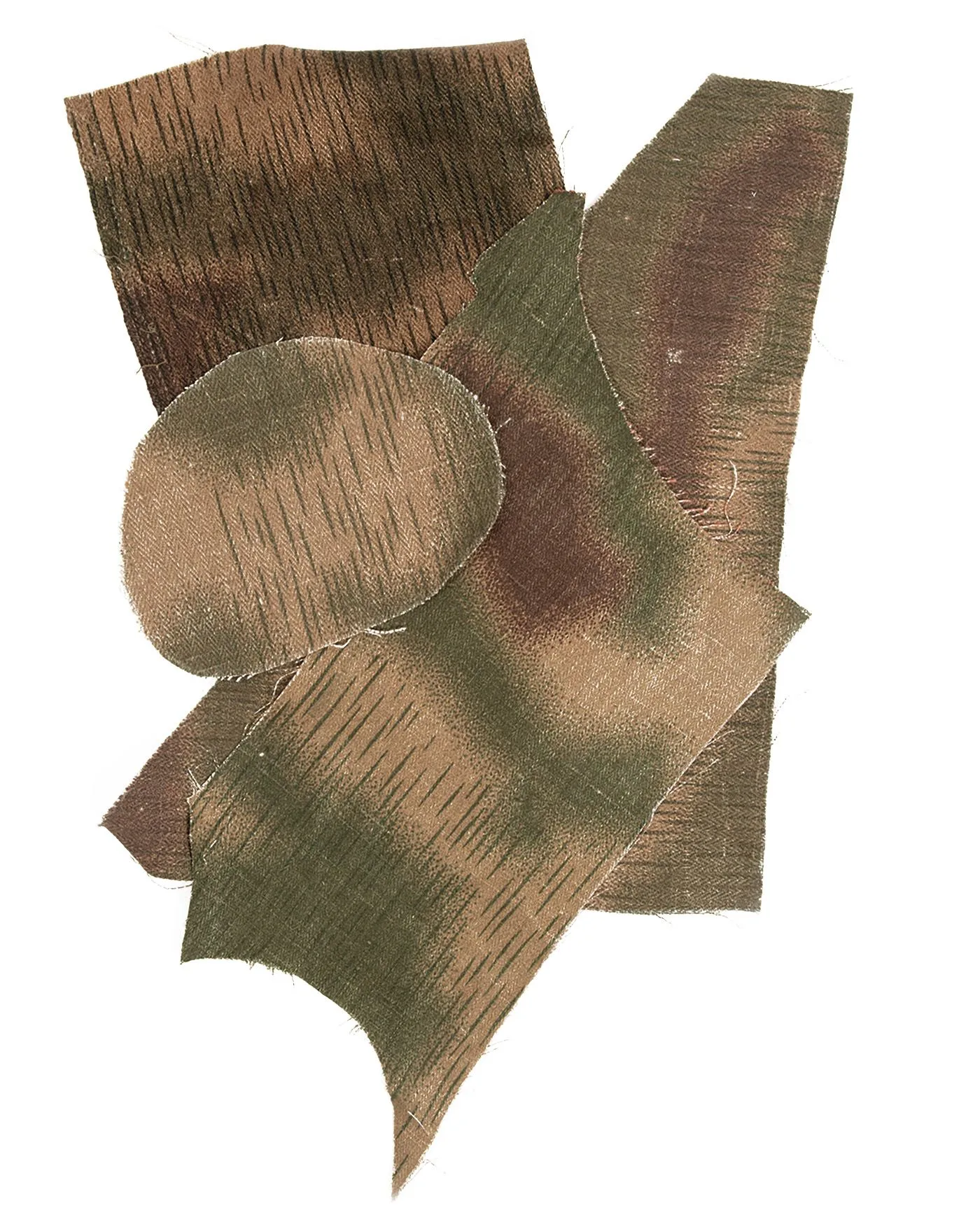
Additionally, the Single Button M43 Cap is a popular under-helmet cap for paratroopers. It provides a snug base layer that helps the liner fit more securely. Many reenactors also use the Marsh Helmet Cover, Original Material to add camouflage and protect the shell. While not part of the M2 kit, these accessories enhance authenticity and comfort.
- Check the condition of your liner's webbing before each event—replace any frayed or stretched sections.
- Use a helmet net or cover to reduce glare and prevent scratches during field use.
- Store your helmet in a cool, dry place to prevent liner degradation.
Achieving the perfect fit for your M2 paratrooper helmet takes a bit of measurement and adjustment, but the payoff is a comfortable, historically accurate impression. Start by measuring your head, then select the right shell and liner combination. For replacement parts and accessories, explore the M1 Helmet WWII Parts collection to keep your gear in top condition. With the right fit, you will be ready to jump into any reenactment with confidence.