Quick answer
For most bench machine fasteners, choose the M6 lock washer when you need a standard split lock washer for M6 screws, and the M5 spring lock washer when you need a thin-profile option for M5 hardware. The M5 spring lock washer is thinner, so it suits tighter assemblies, while the M6 lock washer provides conventional locking action for larger fasteners.
Size and profile trade-offs
The most obvious difference is the size: M6 lock washers fit M6 fasteners, while M5 spring lock washers fit M5 fasteners. If your machine uses M5 screws, the M6 washer will be too large and won't seat properly. Conversely, an M5 washer on an M6 screw will be too small.
Profile thickness also matters. The M5 spring lock washer is described as thin, which can be an advantage in confined spaces where a standard washer might not fit. However, a thinner washer may offer less spring tension, so consider the clamping load and vibration levels in your application.
Vibration resistance expectations
Both lock washers are designed to resist loosening from vibration, but their effectiveness depends on the joint. Spring lock washers work by exerting a spring force that maintains tension. For heavy vibration or critical joints, you may need additional measures like threadlocker or a prevailing-torque nut.
If you're working on a bench mill or lathe, check the fastener size first. Using the correct washer size ensures the load is distributed properly and the locking action works as intended.
Trade-offs at a glance
- M6 lock washer: Use for M6 fasteners. Standard profile offers reliable locking for most bench machine applications. If you need a lower-profile option, consider a thin washer or other locking methods. Check the fastener size before ordering; M6 washers won't fit M5 screws.
- M5 spring lock washer (thin): Use for M5 fasteners in tight spaces. The thin profile saves height but may provide less spring tension in high-vibration joints. For high-vibration applications, consider adding threadlocker as a backup.
- Matching washer to fastener: Always match the washer size to the screw size. Using the wrong size can lead to improper load distribution and reduced locking effectiveness. Keep a small stock of both sizes to handle various repairs.
Product facts
-
Washer, M5 Spring Lock, Thin: This M5 spring lock washer is a thin-profile replacement part for machine use, listed under the Sieg Industrial Group. The thin profile makes it suitable for tight assemblies where a standard washer would add too much height.
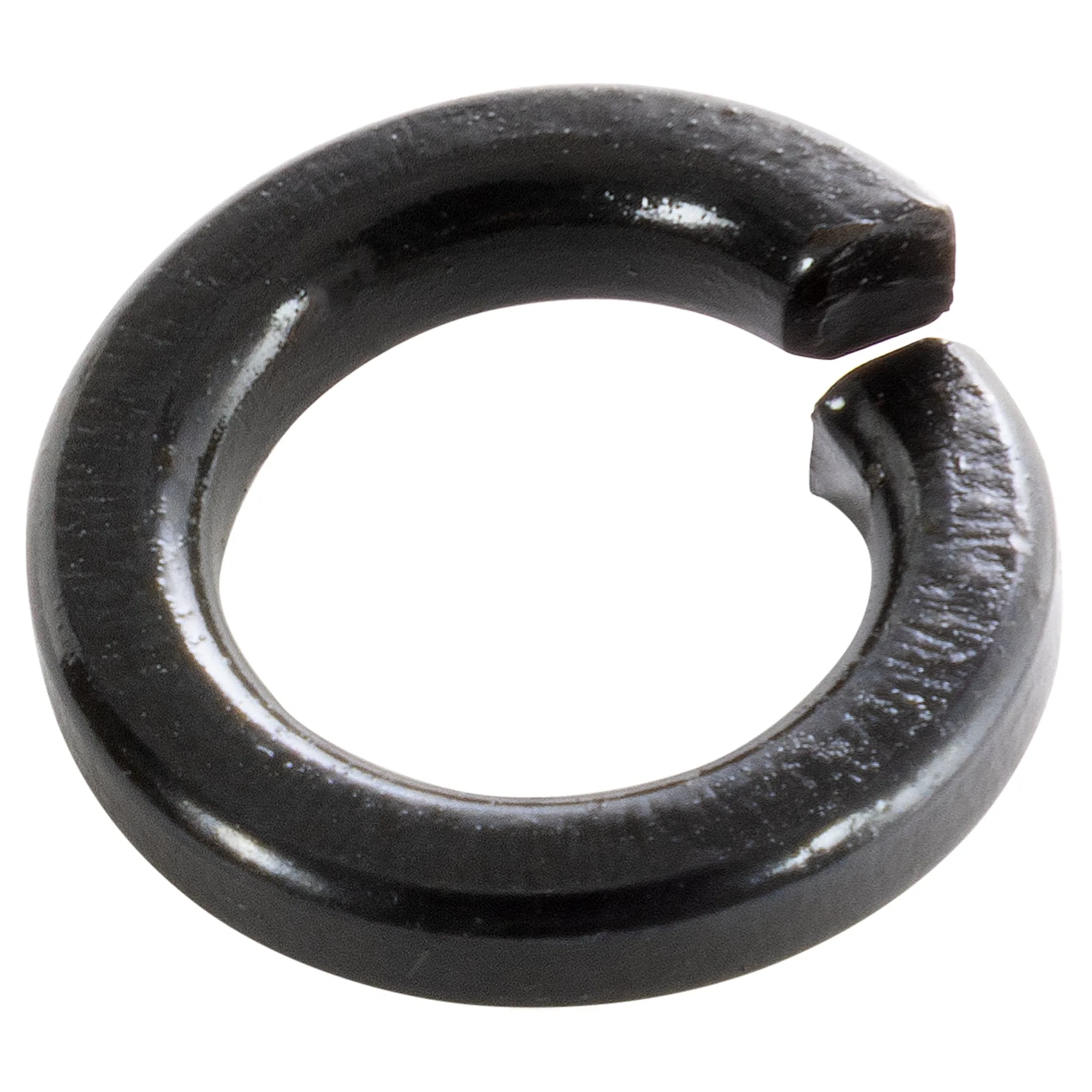
Washer, M5 Spring Lock, Thin
-
Washer, M6 Lock: The M6 lock washer is a standard lock washer for M6 fasteners, supplied by McMaster-Carr. It provides conventional locking action for M6 screws, a common size on bench machines.
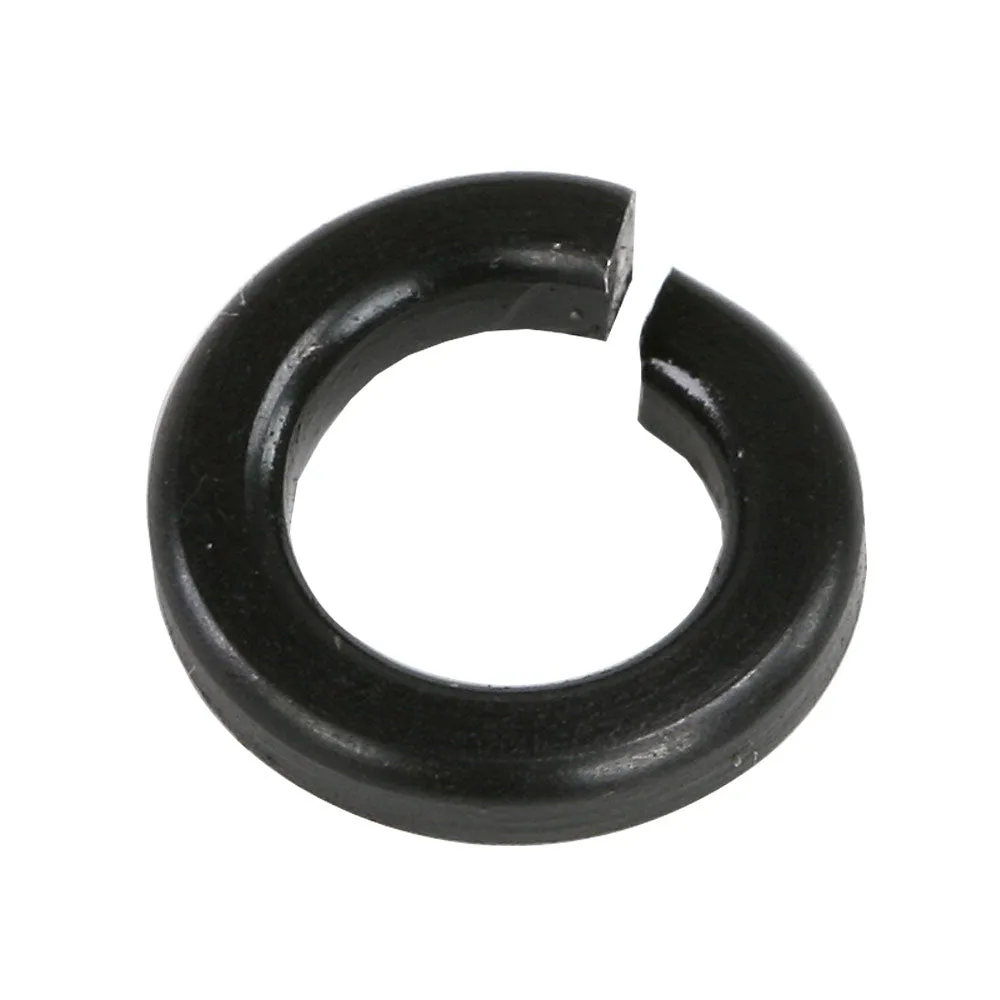
Washer, M6 Lock
Which one fits your job?
Best for
- M6 lock washer: bench machines that use M6 fasteners and need standard locking action
- M5 spring lock washer: M5 fasteners in tight assemblies where a thin washer is required
Not for
- M6 lock washer: M5 fasteners or applications requiring a thin profile
- M5 spring lock washer: M6 fasteners or high-vibration joints that need maximum spring tension