Quick answer
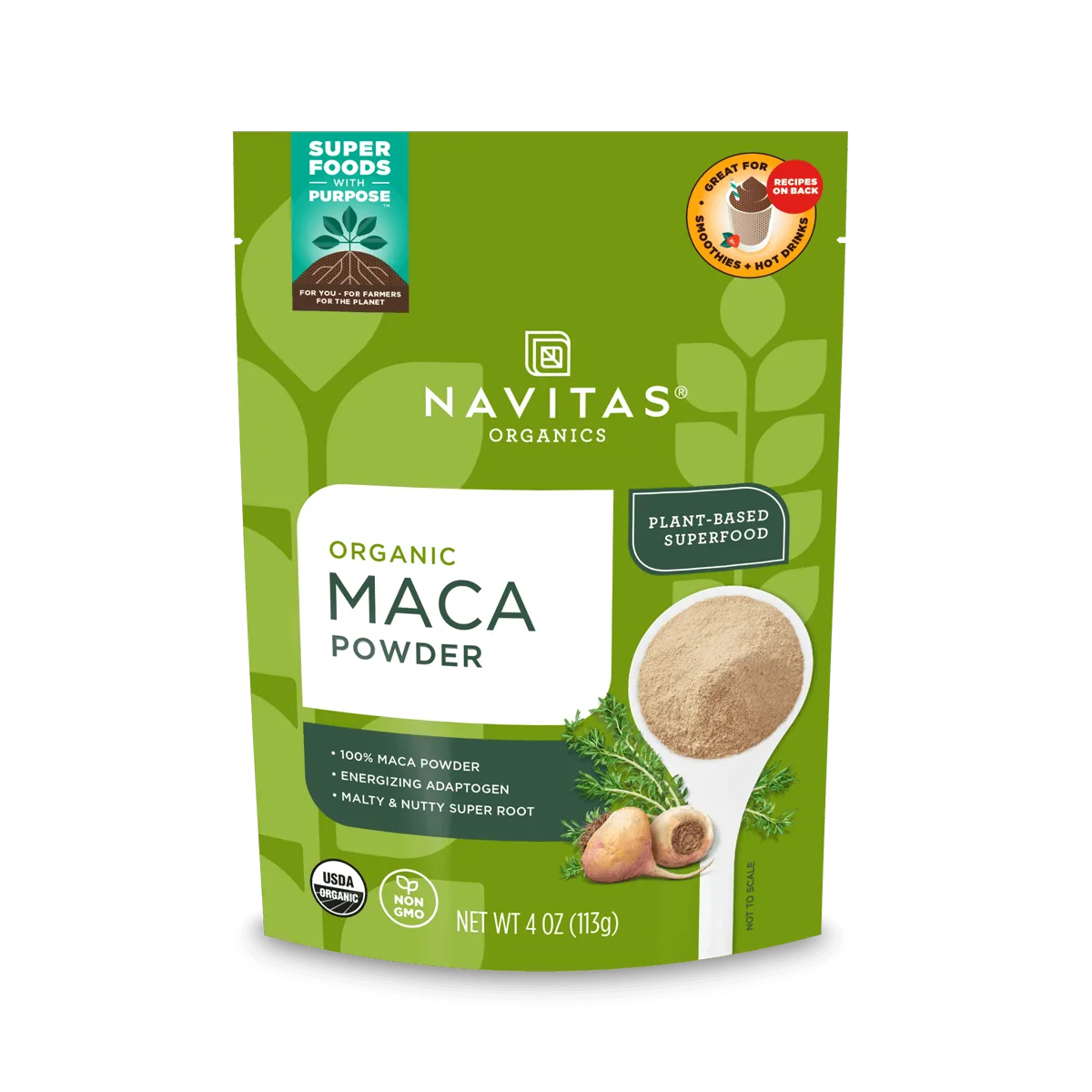
Choose gelatinized maca if you want a milder taste, easier mixing, and a powder that's gentler on digestion—it's the better fit for daily smoothies and oatmeal. Choose raw maca if you want the minimally processed form and don't mind a stronger earthy, slightly bitter flavor. Both come from the same root; the difference is how they're processed and how they behave in your kitchen.
What actually separates gelatinized and raw maca
Gelatinized maca isn't made with gelatin. The root is heated (often with pressure) to break down its starches, then dried and milled. That pre-cooking step removes some of the starch, which is why gelatinized maca tends to dissolve more smoothly and tastes less sharp. Raw maca is simply dried and milled without that heating step, so it keeps more of its natural starch and a more intense flavor.
Because the starch is reduced, gelatinized maca is often the easier transition for people who find raw maca hard on the stomach or too bitter. Raw maca, on the other hand, is the pick for anyone who wants the least-processed version and doesn't mind working a little harder to blend it in.
Taste and texture: what to expect in the spoon
Raw maca tastes earthy, slightly nutty, and can finish a bit bitter or sharp—closer to a root vegetable than a sweetener. Gelatinized maca keeps the earthy character but rounds off the edges, so it reads more malty and mild. If you've tried maca before and disliked it, the gelatinized version is usually the one worth retrying.
Texture matters just as much. Gelatinized maca blends into liquids with less grit and less settling, which is why it's the more forgiving choice for a quick shake or a mug of hot cocoa. Raw maca can feel grainier and may need a stronger blender or a longer stir.
Serving size: start small, then build
Maca is a flavor-forward powder, so start with about 1 teaspoon per serving and work up to 1 tablespoon if you like it. Beginning small lets you judge how the taste sits in your smoothie or oatmeal before you commit a full scoop.
The same logic applies when you switch forms. If you're moving from raw to gelatinized, keep your usual spoon size and adjust for taste rather than assuming you need more. If you're new to maca entirely, one teaspoon daily for the first week is a sensible starting point.
How to use each form in real recipes
Gelatinized maca is the low-effort option: stir it into smoothies, oatmeal, yogurt, coffee, or hot cocoa, where its milder taste disappears into the base. Raw maca works in the same places but benefits from stronger flavors around it—cacao, banana, cinnamon, or nut butter—to balance its earthiness.
For baking, both forms can go into brownies, energy balls, or pancakes, but gelatinized maca is less likely to throw off the flavor of a delicate recipe. If you're making a chocolate-forward bake, raw maca's bitterness is largely masked by cocoa.
Blending maca with other superfood powders
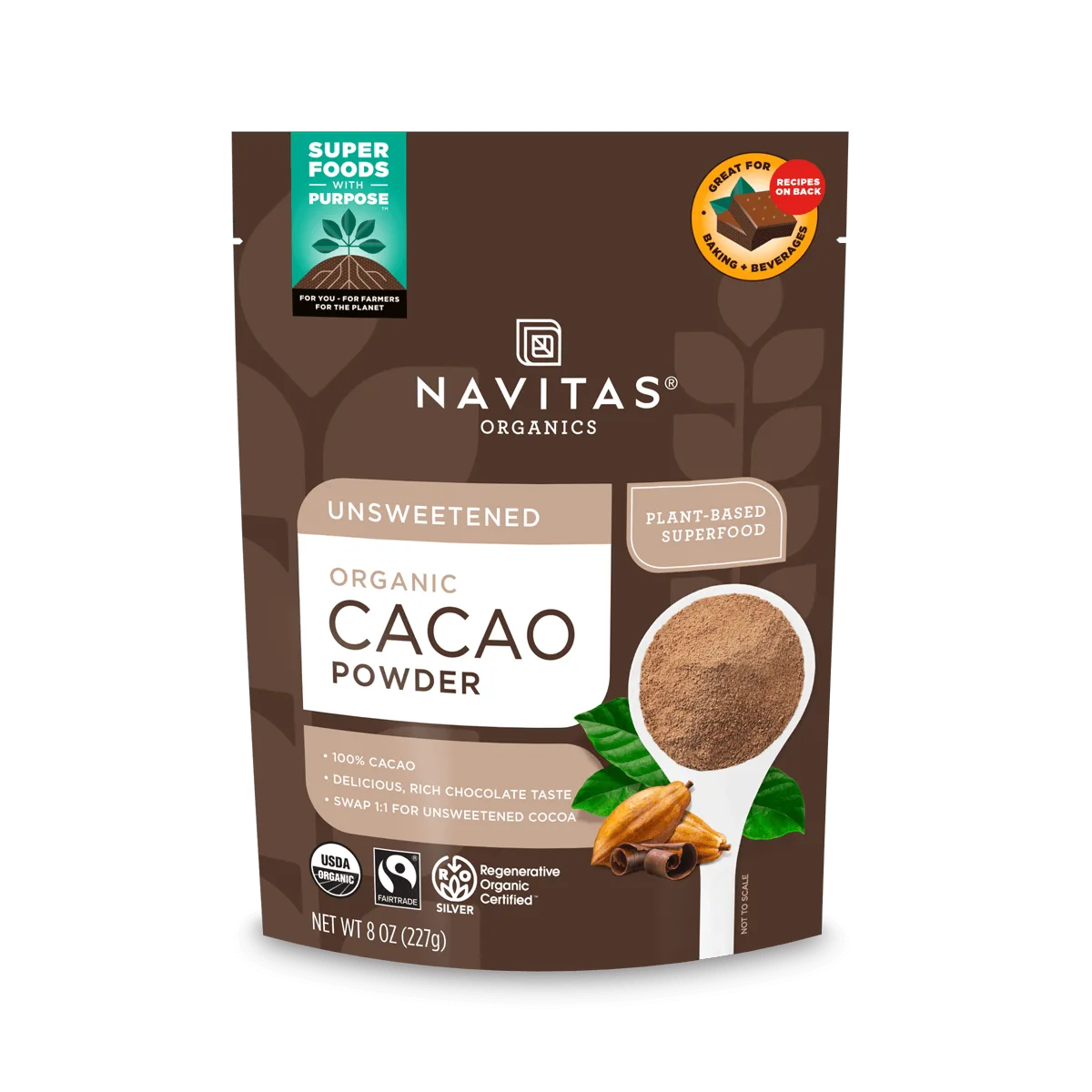
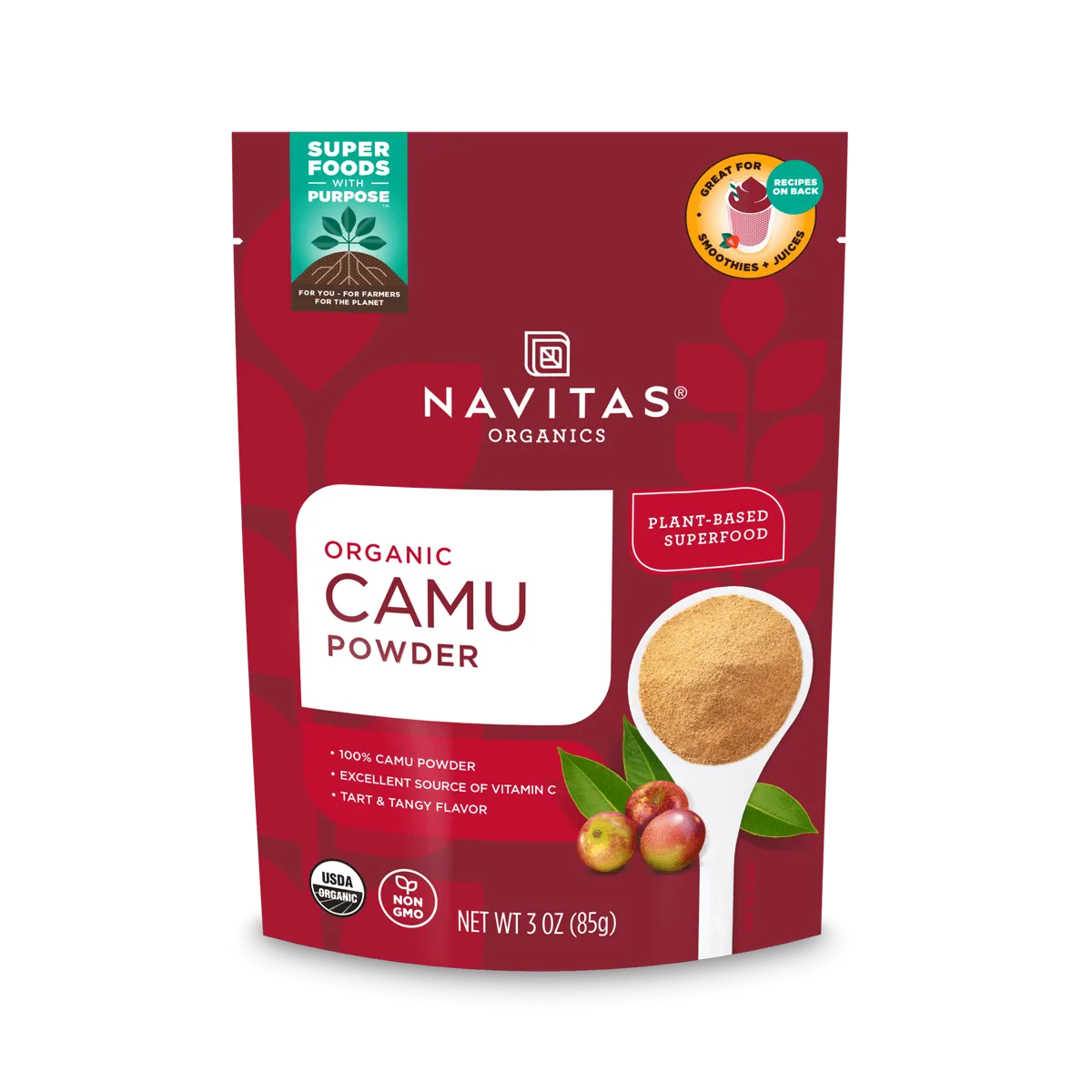
Maca plays well with other powders, but the pairing changes the taste math. Cacao powder's rich chocolate flavor covers maca's earthy edge, making it the easiest partner for raw maca. Camu powder brings a tart berry note that can brighten a maca smoothie but won't hide the flavor the way cacao does.
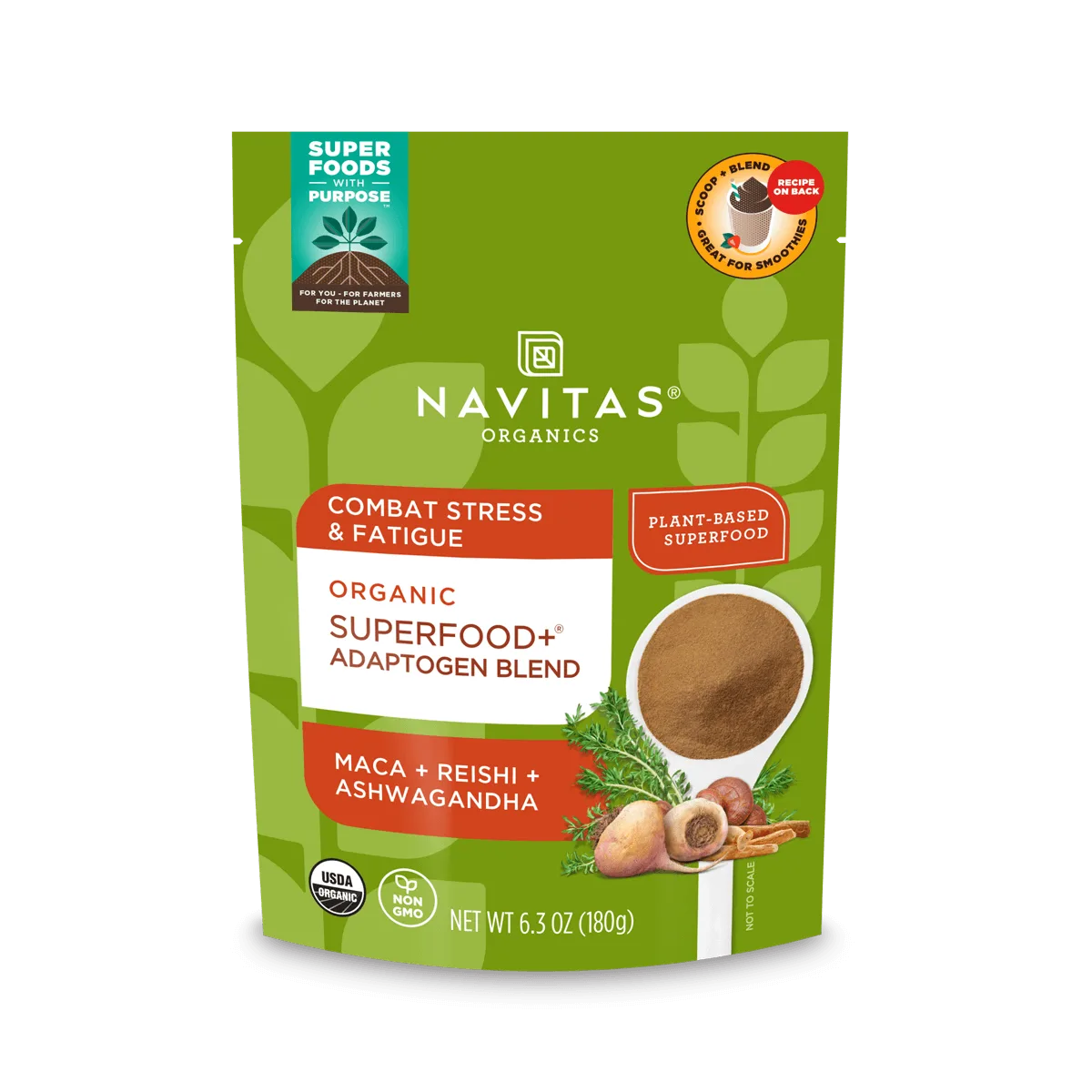
If you're already using an adaptogen blend, check what's in it before adding maca on top. Many blends already include maca alongside reishi and ashwagandha, so stacking a separate maca scoop on top can push the earthy flavor further than you intended.
Decision rules: pick your maca in three checks
- Rule 1: Choose gelatinized if taste or digestion is your concern: Gelatinized maca's heating step reduces starch, giving it a milder, maltier flavor and smoother mixing. If raw maca tasted too bitter or felt heavy on your stomach, this is the form to switch to. Default pick for daily smoothies and first-time maca users.
- Rule 2: Choose raw if you want the least-processed form: Raw maca skips the heating step, so it keeps more of its natural starch and a stronger earthy, slightly bitter taste. It works best when paired with bold flavors like cacao, banana, or nut butter. Pick raw only if you like the flavor or specifically want minimal processing.
- Rule 3: Match the form to your recipe, not the other way around: For quick shakes, coffee, and hot cocoa, gelatinized maca blends in with less grit. For chocolate brownies, energy balls, or strongly flavored bakes, raw maca's edge gets covered and either form works. If your recipe is delicate, go gelatinized; if it's bold, either is fine.
Products that pair well with maca
- Superfood+ Adaptogen Blend: Navitas Organics Superfood+ Adaptogen Blend is a convenient mix of nature's best adaptogens—maca, reishi mushroom and ashwagandha. Add this adaptogen powder to any smoothie to help your body stay energized and resilient! If you want maca already combined with other adaptogens, this blend saves you from buying and measuring three separate powders.
- Cacao Powder: Navitas Organics unsweetened Cacao Powder is packed with nutrients and a rich chocolate taste! This pure organic cacao powder is delicious in brownies, cakes, hot cocoa, smoothies & more. Cacao's rich chocolate taste is the most reliable way to mask raw maca's earthy bitterness in smoothies and baked goods.
- Camu Powder: Camu Camu is a Peruvian berry famous for its immune-boosting benefits. Mix Navitas Organics Camu Powder into your juices, smoothies or oatmeal for a tart berry boost that packs in the vitamin C! Camu adds a tart berry note that brightens a maca smoothie, though its flavor is too light to fully hide raw maca.
Is maca powder right for you?
Best for
- Smoothie drinkers who want an earthy powder that blends smoothly into a daily shake
- Oatmeal and yogurt eaters who want a mild, malty addition rather than a sweet one
- Bakers making chocolate-forward recipes where maca's flavor is masked by cocoa
- Anyone who wants maca combined with other adaptogens in a single scoop
Not for
- People who want a sweet or fruity powder—maca is earthy and slightly bitter
- Anyone expecting maca to dissolve completely in cold water without a blender
- Shoppers looking for a caffeine-containing energizer; maca is not a stimulant
- Those who dislike root-vegetable flavors and won't pair maca with cacao or banana