What This Down Pipe Is Designed For
The MagnaFlow 15380 is a performance exhaust manifold down pipe built for the 1966-1972 Chevrolet C10 Pickup. It is engineered to replace the factory down pipe on models equipped with 4.6L, 5.0L, 5.3L, or 5.7L engines. If you are upgrading your classic truck's exhaust for better flow and a more aggressive sound, this component is a targeted option rather than a universal part.
Because the C10 spans multiple engine configurations over six model years, the first step is verifying your truck's engine size and year. The 15380 is not a one-size-fits-all part; it is designed specifically for the engines listed in the catalog. If your C10 has a different displacement, this down pipe likely will not fit without modification.
Catalog Details for the MagnaFlow 15380
-
MagnaFlow 1966-1972 Chevrolet C10 Pickup Performance Exhaust Manifold Down Pipe: The MagnaFlow Chevrolet C10 Pickup Performance Exhaust Manifold Down Pipe 15380 is a premium, weight-optimized mandrel bent exhaust component designed for superior flow characteristics. Mandrel bending preserves the pipe's inner diameter through each bend, reducing exhaust restriction compared to crimped or crush-bent pipes. This directly supports the performance goal of a down pipe upgrade.
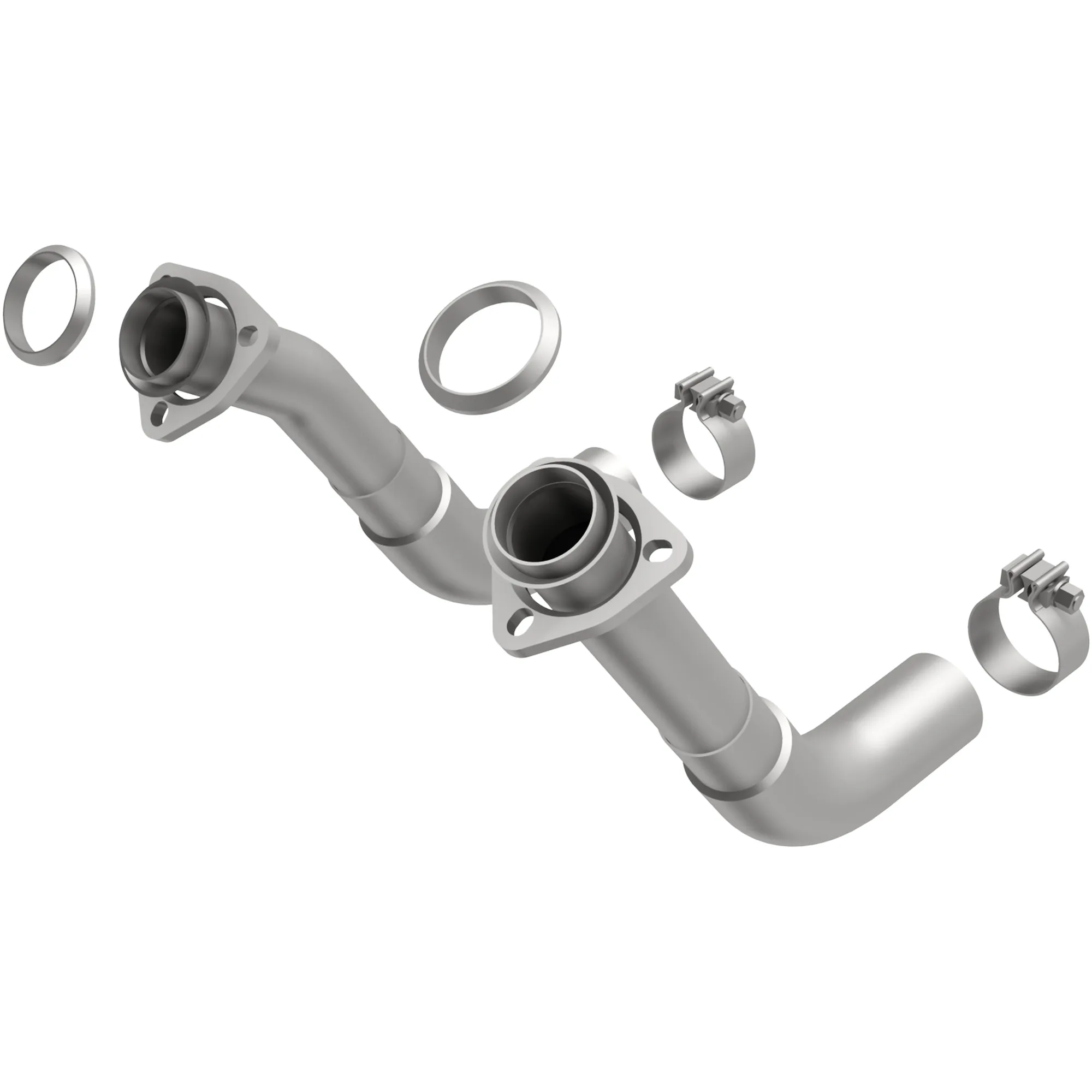
MagnaFlow 1966-1972 Chevrolet C10 Pickup Performance Exhaust Manifold Down Pipe
-
MagnaFlow 1966-1972 Chevrolet C10 Pickup Performance Exhaust Manifold Down Pipe: Each 15380 is produced using precision CNC robotic manufacturing techniques and features 100% durable, corrosion resistant stainless steel construction. Stainless steel construction means the down pipe will resist rust and corrosion far longer than standard mild steel, which is especially important on a classic truck that may not be driven daily.
Construction and Performance Trade-Offs
The 15380's stainless steel construction is a clear upgrade over the original mild steel down pipe, but it comes with a higher upfront cost. The catalog price of USD 199.64 (compared to a list price of USD 322.00) reflects the premium materials and CNC manufacturing. For a weekend cruiser or restoration project, this investment pays off in longevity and corrosion resistance.
The weight-optimized design also means the pipe is not unnecessarily heavy, which can help with overall vehicle weight distribution. However, the catalog does not specify exact weight savings, so treat this as a general benefit rather than a quantifiable spec.
One trade-off: stainless steel is harder than mild steel, which can make minor adjustments during installation more difficult. This is one reason professional installation is recommended.
Fitment Checks Before You Buy
Before ordering the 15380, confirm three things: your C10's model year (1966-1972), engine displacement (4.6L, 5.0L, 5.3L, or 5.7L), and that the original down pipe is the part you are replacing. The catalog does not list compatibility with other Chevrolet truck generations or with C10s that have had engine swaps.
If your truck has been modified with a non-stock engine or exhaust manifold, the 15380 may not bolt up without custom fabrication. In that case, a universal down pipe or a custom exhaust shop solution might be a better fit.
The catalog also does not confirm whether the 15380 includes gaskets or hardware. Plan to reuse your original manifold gasket or purchase a new one separately.
Installation: What the Catalog Supports
The supplied information strongly recommends professional installation. This is sensible advice for several reasons: the down pipe connects directly to the exhaust manifold and the rest of the exhaust system, and any misalignment can cause leaks, rattles, or poor fit. A lift and proper exhaust tools make the job safer and more precise.
The catalog does not provide step-by-step installation instructions, so if you are a DIY enthusiast, you will need to rely on a service manual for your specific C10 year. The 15380 is a direct-fit component, meaning it should bolt in place of the original part without cutting or welding, but access to the manifold bolts on a classic truck can be tight.
After installation, check for exhaust leaks at the manifold joint and at the connection to the rest of the exhaust system. A cold-start test and visual inspection under the truck are simple ways to confirm a good seal.