Two Minerals, Two Different Jobs
Magnesium and calcium are both essential minerals, but they are not interchangeable. The supplied information describes MagAsorb Magnesium Complex 375mg as a one-a-day, high-strength magnesium supplement providing 100% of your daily intake, while Calcium Citrate 800mg is a three-a-day formula that also includes 6μg of vitamin D. The practical question is not which mineral is 'better' but which product matches what you need to add to your diet and how you prefer to take it.
This comparison sticks to what the supplied product records confirm. Where a detail is not stated, such as a full ingredient list, it is treated as a limitation of the available information rather than a reason to guess.
Side-by-Side: Serving Style and What Each Supplies
- Daily serving: MagAsorb is one tablet a day. Calcium Citrate 800mg is a 3-a-day dose, which can be taken as 3 tablets with a meal or split into 1 tablet three times a day with food.
- Key mineral content: MagAsorb provides 375mg of magnesium in a four-compound complex (hydroxide, oxide, citrate and carbonate). Calcium Citrate provides 800mg of calcium per 3-tablet serving.
- Added vitamin D: Calcium Citrate includes 6μg of vitamin D per serving, described as supporting normal absorption and utilisation of calcium. The supplied MagAsorb record does not list vitamin D.
- Dietary suitability: MagAsorb is described as suitable for vegetarians and vegans. Calcium Citrate is described as vegetarian friendly and free from gluten, dairy and artificial additives.
- Available pack sizes: MagAsorb is listed in 180 tablets and a Subscribe & Save 180-tablet option. Calcium Citrate is listed in 180 tablets and a Subscribe & Save 360-tablet option.
What the Labels Tell You About Each Product
-
MagAsorb Magnesium Complex 375mg: MagAsorb Magnesium Complex 375mg is a one-a-day supplement providing 100% of your daily magnesium intake, made with four magnesium compounds and manufactured in the UK under GMP standards. A single daily tablet suits people who want a simple routine, and the four-compound formula is the key characteristic to compare against single-form magnesium products.

MagAsorb Magnesium Complex 375mg
-
Calcium Citrate 800mg: Calcium Citrate 800mg provides 800mg of calcium per 3-a-day serving plus 6μg of vitamin D, and the citrate form is described as facilitating easy absorption. The added vitamin D and the citrate form are the main reasons someone might choose this product over a plain calcium tablet, but the three-tablet serving needs to fit your day.
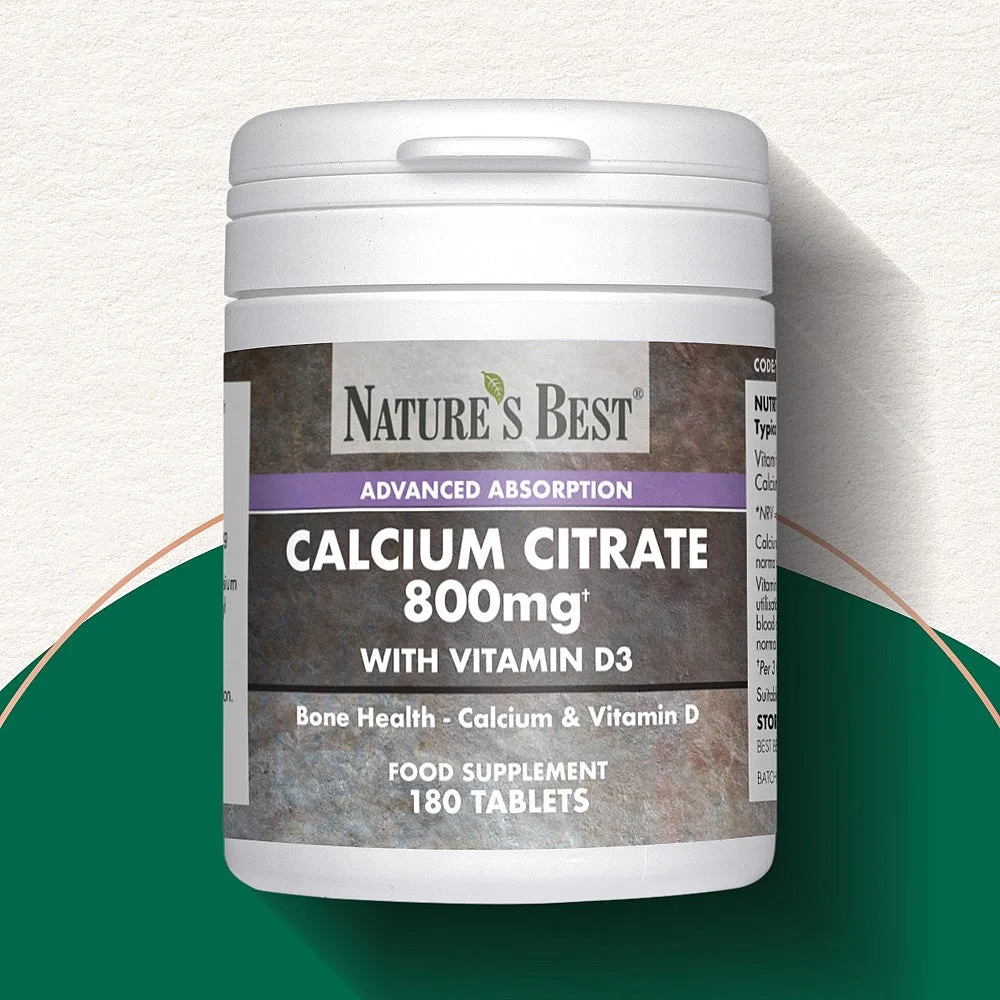
Calcium Citrate 800mg
Why the Serving Count Matters More Than You Think
A supplement only helps if you actually take it consistently. MagAsorb's one-a-day format reduces the number of decisions you make each day, which can matter if you already manage several products. Calcium Citrate's three-tablet serving is more demanding, but the label allows flexibility: take all three with a meal or spread them across the day with food. If you struggle to remember midday doses, the single-tablet option has a practical edge.
The trade-off is that these products are not direct substitutes. MagAsorb is positioned around magnesium intake, while Calcium Citrate is positioned around calcium and vitamin D for bones, teeth and muscle function. Choosing between them starts with identifying which nutrient your diet is more likely to be short on.
Who Each Product May Suit
- Consider MagAsorb Magnesium Complex 375mg if: You want a one-a-day magnesium supplement, prefer a vegan-suitable option, or are looking to support magnesium intake alongside a diet that may lack magnesium-rich foods such as leafy greens, nuts, seeds, whole grains and oily fish.
- Consider Calcium Citrate 800mg if: You are looking specifically to increase calcium intake and want vitamin D included in the same product. The supplied information notes calcium is especially important for groups such as women during the menopause, during pregnancy, older adults and those with limited dairy intake.
- Consider both only with advice: The supplied records do not provide a combined dosing schedule for taking these two products together. If you are considering magnesium and calcium together, speak to a qualified professional rather than stacking doses on your own.
What the Supplied Information Does Not Settle
Neither record provides a full ingredient list, allergen statement beyond the points noted, or a complete list of interactions. The Calcium Citrate record explicitly invites you to contact expert Nutrition Advisors if you are unsure whether the product is suitable for you, which is a sensible step if you take medication or manage a health condition.
The MagAsorb record mentions that magnesium contributes to strong teeth and bones and supports energy, muscle function and the nervous system, but it does not make a head-to-head claim against calcium. Treat marketing language about 'maximum absorption' as product positioning, not as an independent ranking of the two minerals.
If your reason for comparing these products is bone health, the supplied information supports calcium plus vitamin D as the more directly relevant pair, while magnesium is described as contributing to bone health rather than replacing calcium. That distinction is the clearest guide the records offer.