Quick answer
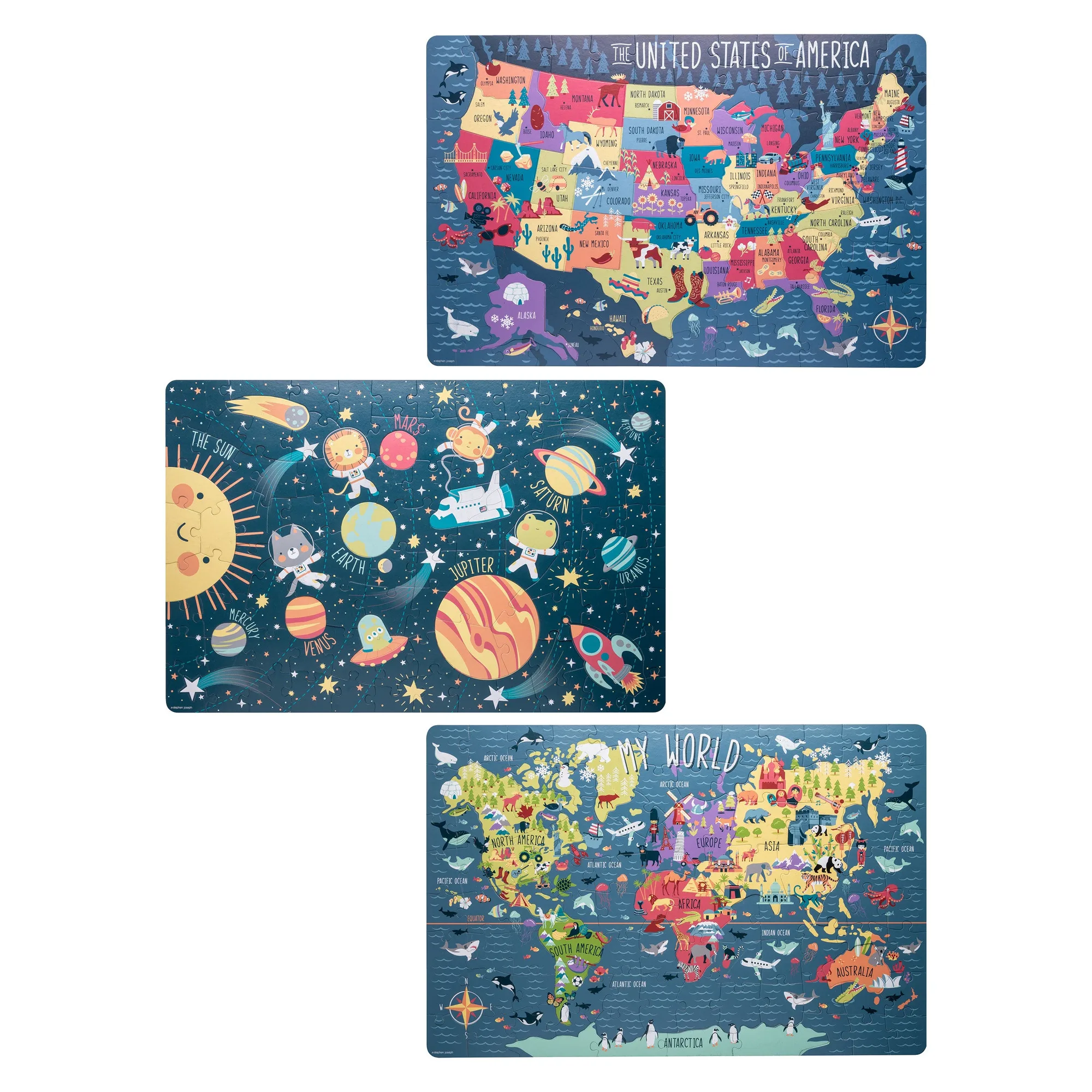
If your child melts down in waiting rooms, restaurants, or on long drives, a magnetic puzzle book is one of the most reliable screen-free fixes. It packs flat, pieces stay put, and there are no loose parts to lose under a booth seat. The 4 In 1 Magnetic Puzzle Book from Stephen Joseph Gifts is a solid first pick because it gives you four reversible scenes in one compact trifold, so you can rotate puzzles instead of handing over a phone.
Why magnetic puzzles solve the waiting-room problem
The core issue with most travel toys is that they create a new problem while solving the old one. Loose wooden pieces scatter. Crayons roll away. A tablet ends the boredom but starts a screen-time negotiation you'll have to repeat every single outing. Magnetic puzzles sidestep all three: the pieces cling to the board, the whole thing folds shut, and the activity is self-contained enough that a child can restart it without help.
That last point matters more than it sounds. A toy that needs an adult to set up or rescue is not really a break for you. A magnetic puzzle book is designed so a toddler or preschooler can open it, place pieces, and reset the scene independently. That's the difference between a distraction and an actual pause.
What to check before you buy any magnetic puzzle book
Not every magnetic puzzle travels well. Three things separate a useful one from a frustrating one: how the pieces are stored, how many scenes you get, and whether the whole thing survives being shoved into a diaper bag.
Storage is first. If the pieces live in a separate bag or tray, you've reintroduced the loose-parts problem. Look for a book where the puzzle surface itself holds the pieces, so closing it is the cleanup. Scene count is second. A single puzzle gets old fast on a two-hour flight; multiple scenes give you a reset button. Durability is third, and it's the hardest to judge online, so lean on materials and construction descriptions rather than photos alone.
How to use it so it actually buys you quiet time
The biggest mistake parents make is introducing the puzzle too early in the outing. If you hand it over the moment you sit down, it's spent before the food arrives. Hold it back until the first real lull, then bring it out as a change of pace rather than a default.
Rotate scenes deliberately. With a multi-scene book, you can treat each side as a separate activity and stretch the same toy across a whole meal or appointment. For younger toddlers, start with one scene and let them master it before revealing the next. For older kids, you can turn it into a quiet challenge, like finishing a scene without lifting any piece twice.
Keep it in a dedicated bag pocket so it stays a novelty. A puzzle that lives at the bottom of the toy bin loses its special status fast.
Where the magnetic puzzle book format falls short
Magnetic puzzle books are not a universal solution. If your child is past roughly age six or already does jigsaw puzzles with hundreds of pieces, the scene count and piece size here will feel babyish. If your child needs gross-motor movement rather than fine-motor focus, no puzzle will hold them for long, and you're better off with a different category of travel toy entirely.
There's also a real limitation around sensory needs. Some kids find magnetic pieces satisfying; others find them fiddly and get frustrated when a piece shifts. If your child has shown resistance to small-piece activities before, this format probably won't be the exception.
Diagnosing your travel-toy problem
- Symptom: pieces end up on the floor within five minutes: Loose-piece toys fail in cars, restaurants, and waiting rooms because there's no containment. The fix is a format where the puzzle surface holds the pieces, so nothing separates from the book until your child deliberately pulls it off. Choose a magnetic book over a loose-piece puzzle for any outing where you can't crawl under furniture.
- Symptom: the toy is abandoned after one round: Single-scene puzzles run out of novelty fast. Multi-scene or reversible formats give you a built-in reset, so the same object feels new again when you flip it. A four-in-one format like the 4 In 1 Magnetic Puzzle Book stretches one purchase across many outings.
- Symptom: your child is bored anyway and asks for a screen: This usually means the activity is below or above their skill level, not that the toy is bad. Magnetic puzzles suit roughly toddler through early elementary. If your child is older or needs bigger movement, stop here and pick a different travel activity rather than forcing it. Match the format to the child's stage; if it doesn't fit, switch categories instead of buying a second puzzle.
Product facts worth knowing
- 4 In 1 Magnetic Puzzle Book: Trifold book contains 4 incredible puzzles in one compact book, with double-sided reversible puzzles packaged in a foldable book that doubles as a solving surface. You get four scenes instead of one, which means you can rotate activities across a single outing without packing extra toys. The foldable book format is what makes it genuinely portable rather than just small.