A double belt keeper is a small but critical piece of your duty gear. It holds your inner and outer belts together, keeping your holster, baton, and other equipment stable during long shifts. Yet many officers and security professionals overlook its maintenance until it fails. A worn or dirty belt keeper can slip, loosen, or even break at the worst moment, compromising your readiness and safety.
Fortunately, caring for a double belt keeper is simple and takes only a few minutes a month. With the right habits, you can extend its lifespan, maintain its retention, and avoid costly replacements. In this guide, we'll walk you through cleaning, inspection, and storage practices that keep your belt keeper in top condition for years.
Why Belt Keeper Maintenance Matters
Your double belt keeper works hard every day. It endures friction from your duty belt, sweat from your body, and exposure to dirt, rain, and chemicals. Over time, these elements can degrade the material—whether it's nylon, leather, or polymer—leading to cracks, fraying, or loss of snap or buckle tension. A compromised keeper not only looks unprofessional but also creates a safety hazard: your belt could shift, causing your equipment to move or even fall.
Regular maintenance prevents these issues. By cleaning and inspecting your keeper, you catch early signs of wear before they become failures. You also preserve the keeper's grip, ensuring it continues to hold your belts tightly. In the long run, a few minutes of care saves you the cost and hassle of replacing a keeper more often than necessary. Plus, a well-maintained keeper reflects positively on your professionalism.
- Check your keeper before every shift for visible damage or looseness.
- Set a monthly maintenance reminder to deep-clean and condition your keeper.
How to Clean Your Double Belt Keeper
Cleaning your double belt keeper is straightforward, but the method depends on the material. Most modern keepers are made of nylon or polymer, which are easy to clean with mild soap and water. Remove the keeper from your belt, rinse it under lukewarm water, and gently scrub with a soft brush or cloth using a small amount of dish soap. Avoid harsh detergents or solvents, as they can break down the fibers or finish.
For leather keepers, use a leather-specific cleaner and conditioner. Wipe the surface with a damp cloth and a drop of saddle soap, then let it dry naturally away from direct heat. After drying, apply a thin layer of leather conditioner to keep the material supple and prevent cracking. Never machine-wash or tumble-dry a belt keeper, as this can warp or shrink it.
- Use a toothbrush to get into crevices around snaps or buckles.
- Dry the keeper completely before reattaching to avoid rust on metal parts.
Inspecting for Wear and Tear
During each cleaning, take a close look at your double belt keeper. Check for signs of fraying on nylon edges, cracks or peeling on leather, and any deformation on polymer parts. Inspect the snap or buckle mechanism: it should close firmly and release with moderate pressure. If you notice any loose stitching, broken snaps, or significant wear, it's time to replace the keeper.
Also examine the area where the keeper contacts your belt. Excessive wear in this spot indicates that the keeper is too tight or that your belt is rubbing against it. Adjust your belt fit or consider a different size. Remember, a keeper that fails while on duty is more than an inconvenience—it's a liability. Regular inspection helps you stay ahead of potential problems.
- Test the snap by tugging gently after fastening to ensure it holds.
- Look for discoloration or stiffness that might indicate material fatigue.
Storage and Handling Tips
How you store your belt keeper when it's not in use also affects its longevity. Keep it in a cool, dry place away from direct sunlight, which can fade and weaken materials. If you have multiple keepers, store them separately to avoid tangling or pressure marks. Avoid leaving your duty belt with the keeper attached in a cramped locker, as constant pressure can distort the keeper's shape.
When handling your keeper, avoid yanking or twisting it forcefully. Use smooth motions when attaching or removing it from your belt. This reduces stress on the material and the fastening mechanism. If you use a double belt keeper with a metal snap, periodically apply a tiny drop of silicone lubricant to the moving parts to keep it operating smoothly without attracting dirt.
- Hang your duty belt on a wide hanger to keep the keeper's shape.
- Keep a spare keeper in your gear bag for emergencies.
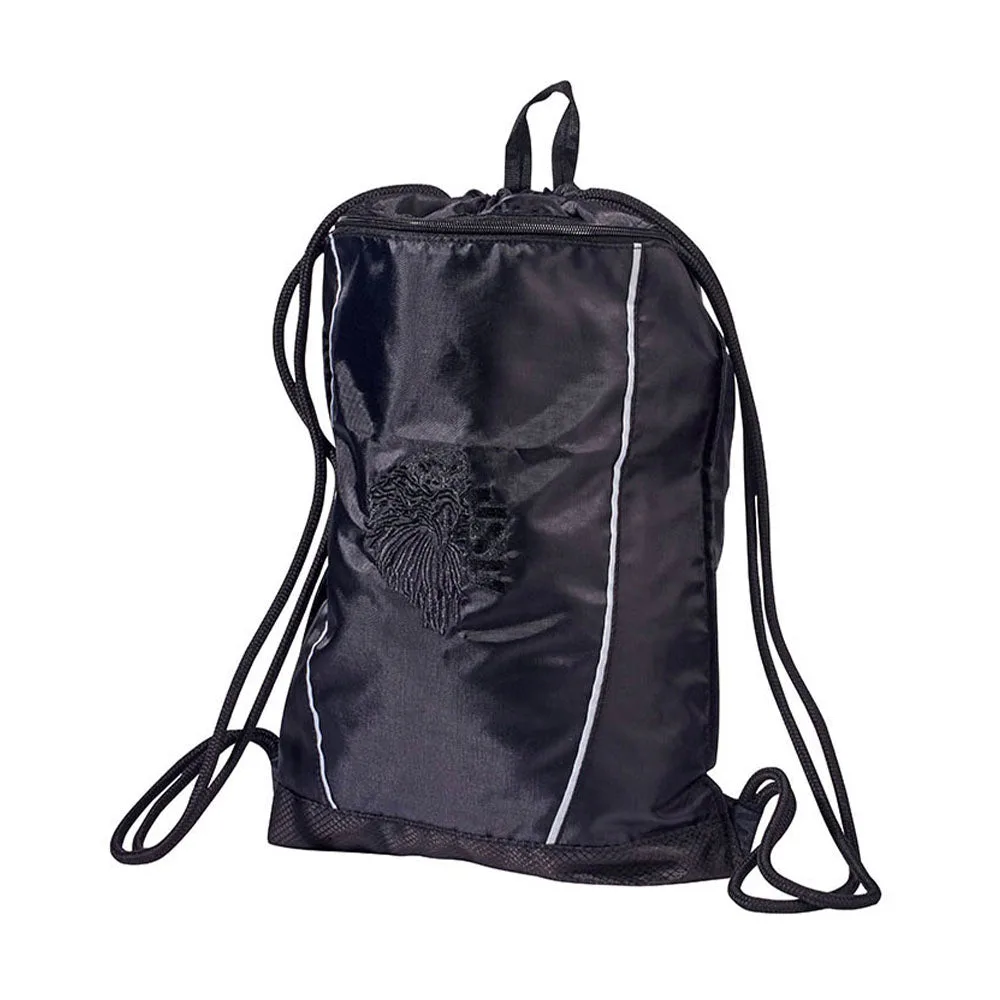
gear bag
When to Replace Your Belt Keeper
Even with excellent care, every belt keeper eventually wears out. The lifespan depends on material, frequency of use, and environmental conditions. As a general rule, replace your double belt keeper if you notice any of the following: visible cracks or tears, a snap that no longer holds, significant stretching, or if it fails to keep your belts aligned during a shift. Don't wait for a complete failure—replace it proactively.
When shopping for a replacement, consider quality and durability. While it's tempting to buy the cheapest option, a robust keeper from a reputable brand will last longer and perform better. Look for reinforced stitching, corrosion-resistant snaps, and materials that withstand daily abuse. Investing in a reliable keeper is investing in your safety and comfort on duty.
- If you use your duty belt daily, plan to replace your keeper every 6-12 months.
- Always test a new keeper with your specific belt thickness before relying on it.
Maintaining your double belt keeper is a small effort that pays off in reliability and longevity. By cleaning, inspecting, and storing it properly, you ensure your duty gear stays secure and professional. Remember, a well-cared-for keeper is a dependable partner on every shift. For a durable replacement or spare, consider exploring the selection at asp-usa.com to find a keeper that meets your needs.