Quick answer
Maintain bolt cutters by cleaning and sharpening the cutting edges with a fine file or diamond stone, lubricating the pivot and jaw mechanisms, and protecting the tool from rust with a dry grip wrap. Do this after every heavy use or at least monthly to extend bolt cutter life and keep cuts clean.
Why bolt cutter maintenance matters
Bolt cutters are simple tools, but they rely on sharp edges and smooth pivot action to generate the leverage needed for clean cuts. Dull edges require more force, which can damage the tool and increase the risk of injury. Regular care prevents rust, keeps joints moving freely, and ensures the jaws align properly for efficient cutting.
Tools and materials you'll need
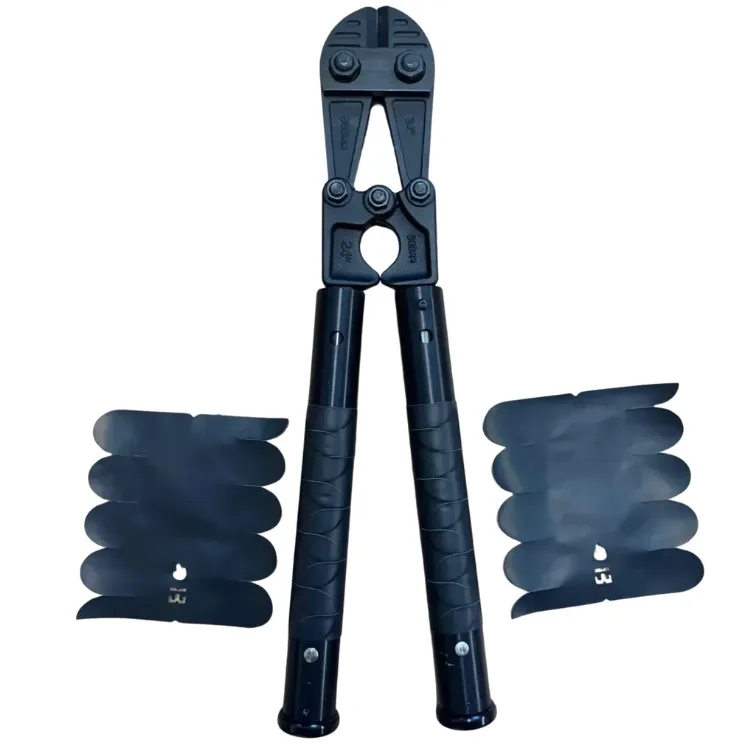
Gather a fine-cut flat file or diamond sharpening stone, a small brush or rag, a lightweight machine oil or dedicated tool lubricant, and a rust-preventive product. For handles, a dry grip wrap like the Extendable Bolt Cutter Dry Grip Polymer Wrap can absorb moisture and protect your hands. Always wear safety glasses and gloves when sharpening.
Step-by-step bolt cutter maintenance routine
- Clean the cutting edges and pivot: Wipe down the jaws, pivot bolt, and handles with a dry rag to remove dirt, sap, or metal shavings. Use a small brush for crevices. Avoid solvent-based cleaners that can strip lubricant. Checkpoint: The tool should be free of visible debris before you proceed.
- Sharpen the cutting edges: Clamp the tool securely. Using a fine file or diamond stone, file the beveled edge at the original angle, working from the inside of the jaw outward. Use light, even strokes. Do not file the flat side of the blade. A few passes are usually enough to restore a sharp edge. Common mistake: Over-sharpening can weaken the edge or change the blade angle, leading to poor cuts. Stop when you feel a burr on the opposite side.
- Lubricate the pivot and jaw mechanism: Apply a few drops of lightweight machine oil to the pivot bolt and the joint where the jaws meet. Open and close the handles several times to distribute the oil. Wipe away excess to prevent attracting dirt. Checkpoint: The handles should move smoothly without grinding or sticking.
- Protect against rust: Apply a thin coat of rust-preventive oil or a dry film lubricant to all metal surfaces, especially the cutting edges. For handle protection, install a dry grip wrap like the Extendable Bolt Cutter Dry Grip Polymer Wrap to absorb moisture and improve grip. Common mistake: Skipping rust prevention after sharpening leaves bare metal exposed to moisture, causing pitting and dulling.
- Check and adjust the pivot bolt: Ensure the pivot bolt is snug but not overly tight. If the jaws are loose, tighten the bolt slightly until the jaws close evenly. If they bind, loosen a quarter turn. A properly adjusted pivot ensures efficient cutting and reduces wear. Checkpoint: The jaws should meet evenly along their full length when closed.
- Store properly: Store bolt cutters in a dry place, ideally in a tool roll or case. Avoid leaving them on concrete floors where moisture can wick into the metal. If storing long-term, apply a heavier coat of rust-preventive oil. Common mistake: Storing in a damp shed or basement accelerates rust, even on coated tools.
Product facts
- Extendable Bolt Cutter Dry Grip Polymer Wrap: The Extendable Bolt Cutter Dry Grip Polymer Wrap installs in seconds and uses a dry touch polymer that absorbs and disperses moisture. It features a patented interlocking tab that eliminates failure points and index markers for fast alignment. This wrap protects the handles from moisture and improves grip, reducing rust and making the tool easier to control during cuts.