In the ever-evolving world of children's furniture and playroom design, one trend is capturing the hearts of parents and educators alike: the Maker Wall. This innovative concept, rooted in the Montessori philosophy of fostering independence and creativity, is redefining how kids interact with their spaces. Instead of static shelves or bins, a Maker Wall offers a dynamic, customizable vertical play and work area that grows with your child. It's not just about storage—it's about creating an environment that invites exploration, problem-solving, and hands-on learning every single day.
At Sprout Kids, we believe that the best play spaces are those that adapt to a child's changing interests and abilities. A Maker Wall does exactly that, serving as a blank canvas for art, building, sensory play, and even practical life activities. Whether you're setting up a dedicated playroom or carving out a corner of the living room, understanding how to design and equip a Maker Wall can transform your home. In this article, we'll explore why Maker Walls are becoming essential for modern families, how to set one up, and which products can help you create the ultimate kids' work wall.
What Is a Maker Wall?
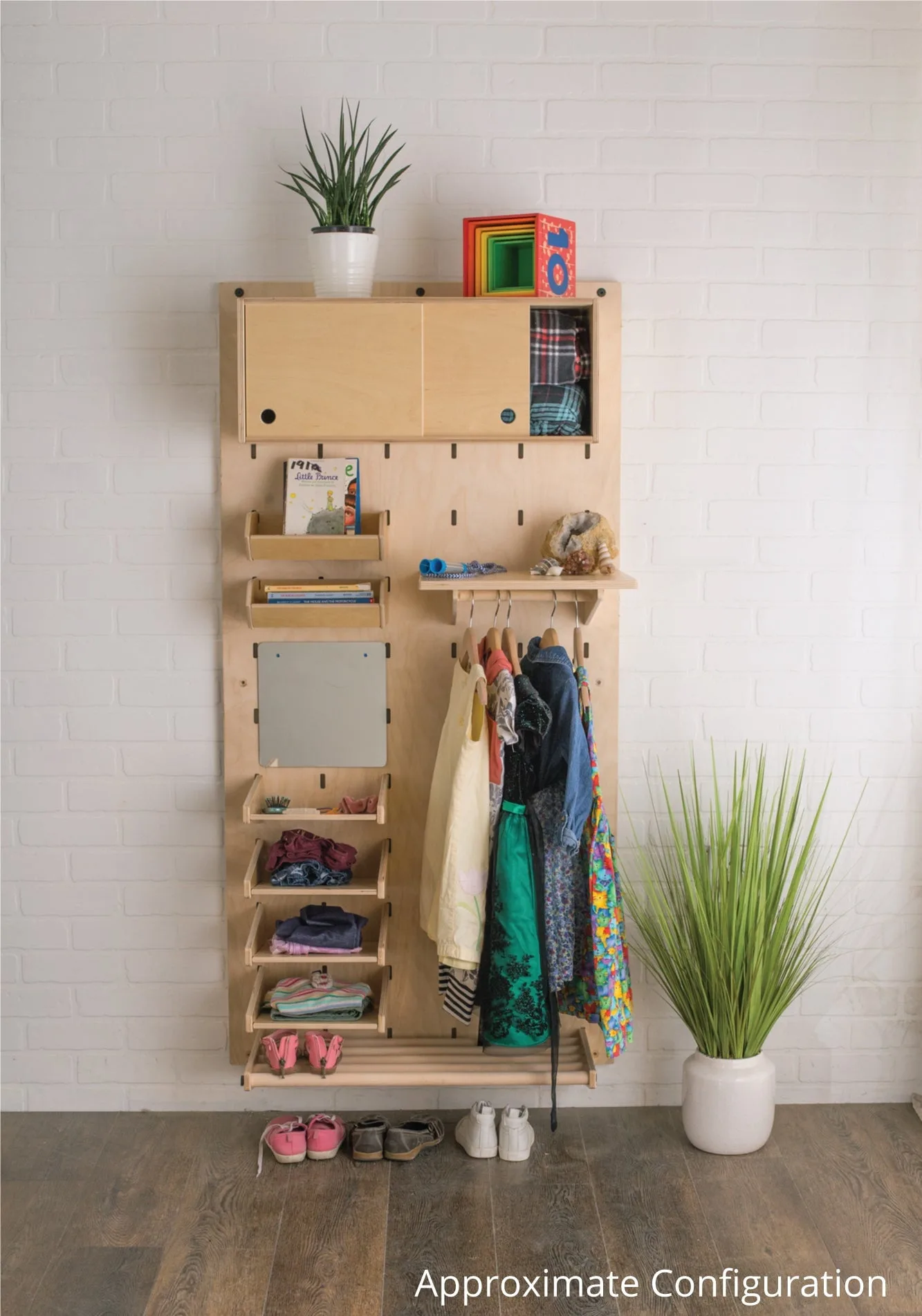
A Maker Wall is a vertical, interactive system typically mounted on a wall in a child's play area, bedroom, or family room. It combines open shelving, pegboards, hooks, bins, and display surfaces to create a customizable workspace. Unlike traditional toy storage, a Maker Wall is designed to be frequently rearranged, allowing children to access materials independently and take ownership of their creative projects. This concept aligns perfectly with Montessori principles, which emphasize order, accessibility, and child-led learning.
The beauty of a Maker Wall lies in its flexibility. You can start with a simple pegboard and a few bins, then expand as your child's interests grow. For example, a toddler might use it for sensory bins and art supplies, while an older child can incorporate building materials, science kits, or even a small writing desk. The wall becomes a living ecosystem of creativity, encouraging kids to mix and match tools and materials without the constraints of a fixed layout.
- Encourages independent play and self-directed learning
- Easily adaptable to different ages and interests
- Maximizes vertical space, keeping floors clutter-free
- Promotes a sense of order and responsibility in children
Key Benefits of a Maker Wall for Kids
One of the most significant advantages of a Maker Wall is its ability to foster independence. When children can see and reach their materials, they are more likely to initiate activities on their own. This builds confidence and problem-solving skills. Additionally, a well-organized Maker Wall reduces decision fatigue—kids know exactly where to find their art paper, building blocks, or science tools, allowing them to focus on the creative process rather than searching for supplies.
Another benefit is the promotion of fine motor skills and spatial reasoning. As children hang, sort, and retrieve items from the wall, they practice hand-eye coordination and learn to categorize objects. The vertical orientation also encourages them to stand and move, which is healthier than sitting for extended periods. For parents, a Maker Wall simplifies cleanup and rotation. You can easily swap out a bin of markers for a tray of kinetic sand, keeping the space fresh and engaging without a major overhaul.
- Reduces clutter and keeps supplies visible and accessible
- Supports Montessori principles of order and independence
- Encourages movement and active play
- Simplifies toy rotation and seasonal updates
How to Set Up Your Own Maker Wall
Setting up a Maker Wall doesn't require a huge budget or a dedicated room. Start by choosing a wall that is easily accessible and has enough space for your child to work. A pegboard system is a popular foundation because it offers endless hooks, shelves, and bins. You can also use a magnetic board, a chalkboard, or a combination of surfaces. The key is to keep items at your child's eye level and avoid overcrowding—leave some empty space for future additions.
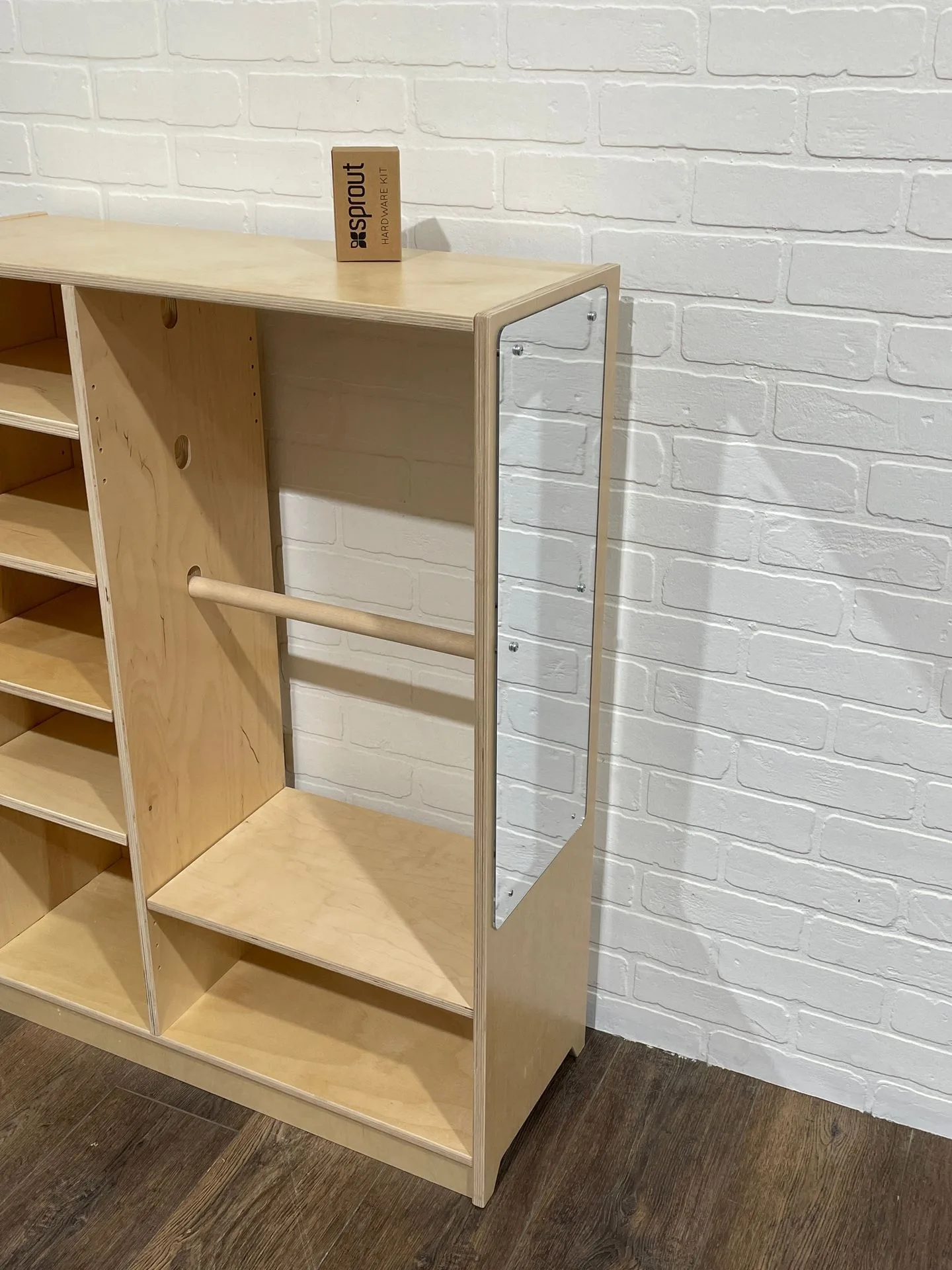
Next, select storage solutions that are both functional and child-friendly. Open bins, clear containers, and labeled baskets work well. Consider adding a small table or a floor cushion nearby for activities that require a flat surface. For example, pairing your Maker Wall with a Value-Grade Wooden Kids Table and Stools creates a dedicated art and crafting station. This setup allows your child to move seamlessly from hanging materials to working on projects. You can also incorporate a Coat Cubby for hanging aprons or smocks, keeping everything organized in one spot.
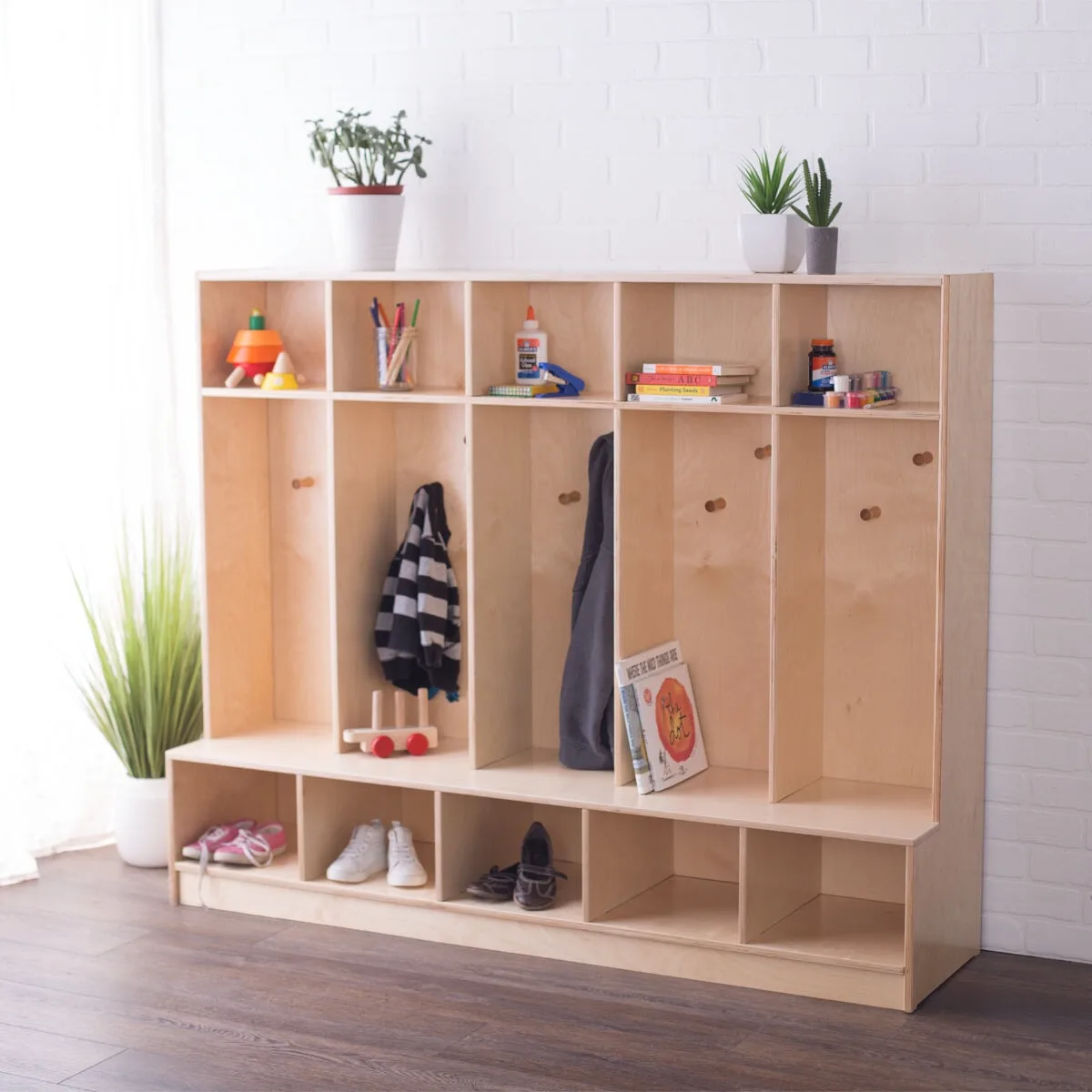
Coat Cubby
- Choose a wall with good lighting and enough space for movement
- Use a pegboard or magnetic board as the base for flexibility
- Include a mix of open bins, hooks, and shelves for variety
- Add a child-sized table or floor mat for hands-on activities
Top Products to Complete Your Maker Wall
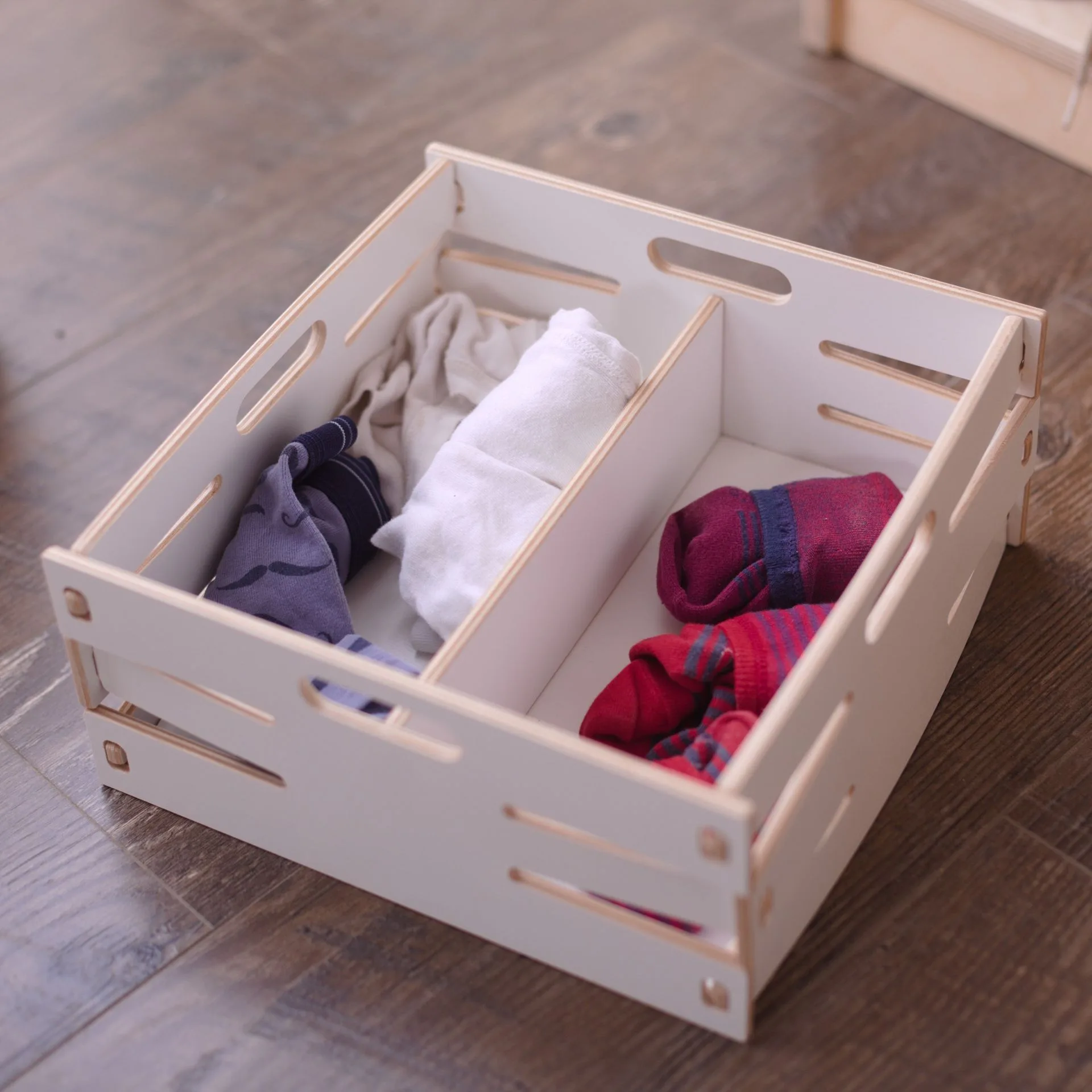
To build a truly effective Maker Wall, you need versatile storage that can adapt to your child's evolving needs. One standout product is the MakerWall Storage Bin, which is designed to hang on pegboards or shelves and hold everything from art supplies to building blocks. Its clear design lets kids see what's inside, promoting independent selection and cleanup. Another essential is the Adjustable Toy Organizer, which offers customizable compartments for smaller items like beads, crayons, or puzzle pieces. This organizer can be mounted on the wall or placed on a shelf, making it a flexible addition to any Maker Wall setup.
Don't forget about display and accessibility. The Luce Shelf is a beautiful, low-profile shelf that can hold books, finished artwork, or sensory trays. Pair it with the MakerWall Entryway Organizer - Large for a complete system that includes hooks for bags, hats, and tools. These products work together to create a cohesive, child-friendly environment that encourages daily engagement. By investing in quality, adjustable pieces, you ensure that your Maker Wall remains useful for years, adapting as your child grows from toddler to school age.
Maker Walls vs. Traditional Playroom Storage
Traditional playroom storage often relies on bulky toy boxes, plastic bins, or cube shelves that can become chaotic and hard to maintain. While these solutions have their place, they often encourage dumping and scattering of toys. In contrast, a Maker Wall promotes intentional play. Each item has a designated spot, and children learn to return materials after use. This system reduces overwhelm and teaches responsibility in a natural, hands-on way.
Another difference is the visual appeal. A Maker Wall can be a stunning focal point in a room, showcasing your child's creations and favorite tools. It turns the wall into a functional art piece. Additionally, because it's modular, you can easily update the look by changing the bins or adding new elements. This makes it a more sustainable choice than buying new furniture every few years. For families who value minimalism and organization, a Maker Wall is a game-changer.
- Encourages intentional play rather than dumping
- Teaches responsibility and organization skills
- Serves as a decorative and functional wall feature
- Modular design allows for easy updates and growth
A Maker Wall is more than a storage trend—it's a philosophy that empowers children to take charge of their learning and creativity. By designing a space that is accessible, flexible, and inspiring, you set the stage for countless hours of independent play and discovery. Ready to build your own Maker Wall? Start with the MakerWall Storage Bin to organize supplies, then explore our full collection of wall-mounted solutions at Sprout Kids. Your child's imagination will thank you.