Quick Answer
Apply primer first to create a smooth canvas, then layer serum foundation on top. But if your serum foundation already blurs pores and evens tone, you can skip primer for a lighter feel.
Why the Order Matters
Primer is designed to grip makeup and smooth the skin's surface, while serum foundation adds skincare benefits and buildable coverage. Putting primer first ensures the foundation has an even base to adhere to, which can help it last longer and look more polished.
However, serum foundations often contain ingredients that improve skin texture over time. If you apply primer on top, you might block those benefits from reaching your skin. That's why the order depends on your skin's needs and the finish you want.
When to Skip Primer
If your serum foundation already blurs imperfections and minimizes the look of pores, adding primer may be redundant. For a natural, skin-like finish, going primer-free lets the foundation's skincare ingredients work more directly.
On the other hand, if you have oily skin or need makeup to last through a long day, a primer can help control shine and keep foundation in place. It's a trade-off between skincare benefits and longevity.
The Layering Trade-Off: Primer vs. Serum Foundation
- Primer first, then serum foundation: Apply a thin layer of primer to clean, moisturized skin, then pat serum foundation over it. This gives you a smooth canvas and can help makeup last longer. Best for oily skin or long-wear needs.
- Serum foundation only: If your serum foundation already blurs pores and evens tone, apply it directly to moisturized skin and skip primer for a lighter, more natural finish. Best for normal-to-dry skin or when you want skincare benefits to sink in.
- Spot-prime only: Use primer only on areas where you need extra oil control or pore blurring, then apply serum foundation all over. A good middle ground for combination skin.
Products That Make Layering Easier
-
Neutrogena Healthy Skin Sensitive Skin Serum Foundation with Pro-Vitamin B5, Color Correcting & Pore Minimizing Liquid Foundation & Face Serum, Buildable Coverage, Deep 03, 1 oz: This serum foundation is suitable for sensitive skin and provides sheer, buildable coverage while blurring imperfections and minimizing the look of pores. Because it already addresses pore visibility, you can often skip primer and still get a smooth base.
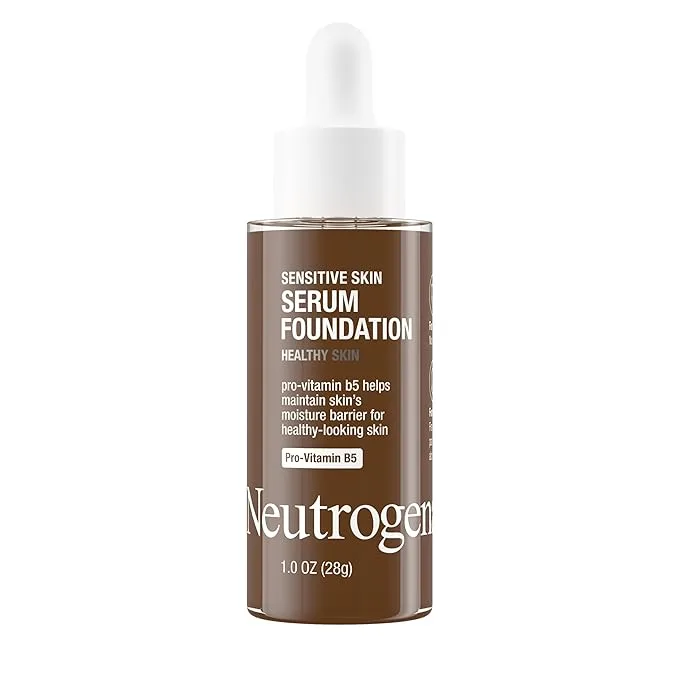
Neutrogena Healthy Skin Sensitive Skin Serum Foundation with Pro-Vitamin B5, Color Correcting & Pore Minimizing Liquid Foundation & Face Serum, Buildable Coverage, Deep 03, 1 oz
-
Neutrogena Healthy Skin Glow Perfector Concealer Pen, Lightweight Liquid Makeup for Face with Pro-Vitamin B5 & Vitamin E for a Radiant Finish, Tan, 0.1 oz: This concealer pen doubles as a shimmer-free highlighter to brighten dullness and create a radiant, luminous complexion without caking. Use it after foundation to spot-conceal and add glow without needing an extra highlight layer.
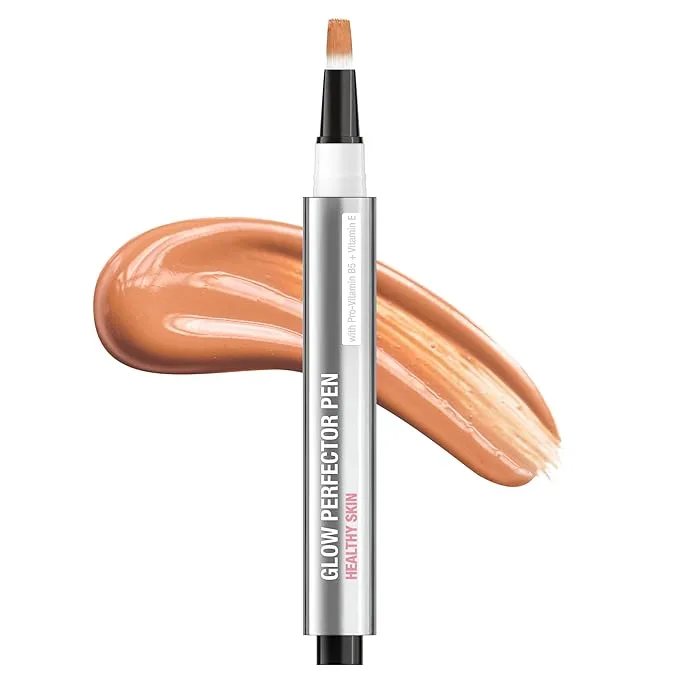
Neutrogena Healthy Skin Glow Perfector Concealer Pen, Lightweight Liquid Makeup for Face with Pro-Vitamin B5 & Vitamin E for a Radiant Finish, Tan, 0.1 oz
Which Approach Fits You?
Best for
- Those who want maximum makeup longevity and oil control
- Those with textured skin who need extra pore blurring
Not for
- Those who prefer a minimal, skin-like finish and already use a pore-blurring serum foundation