Quick answer
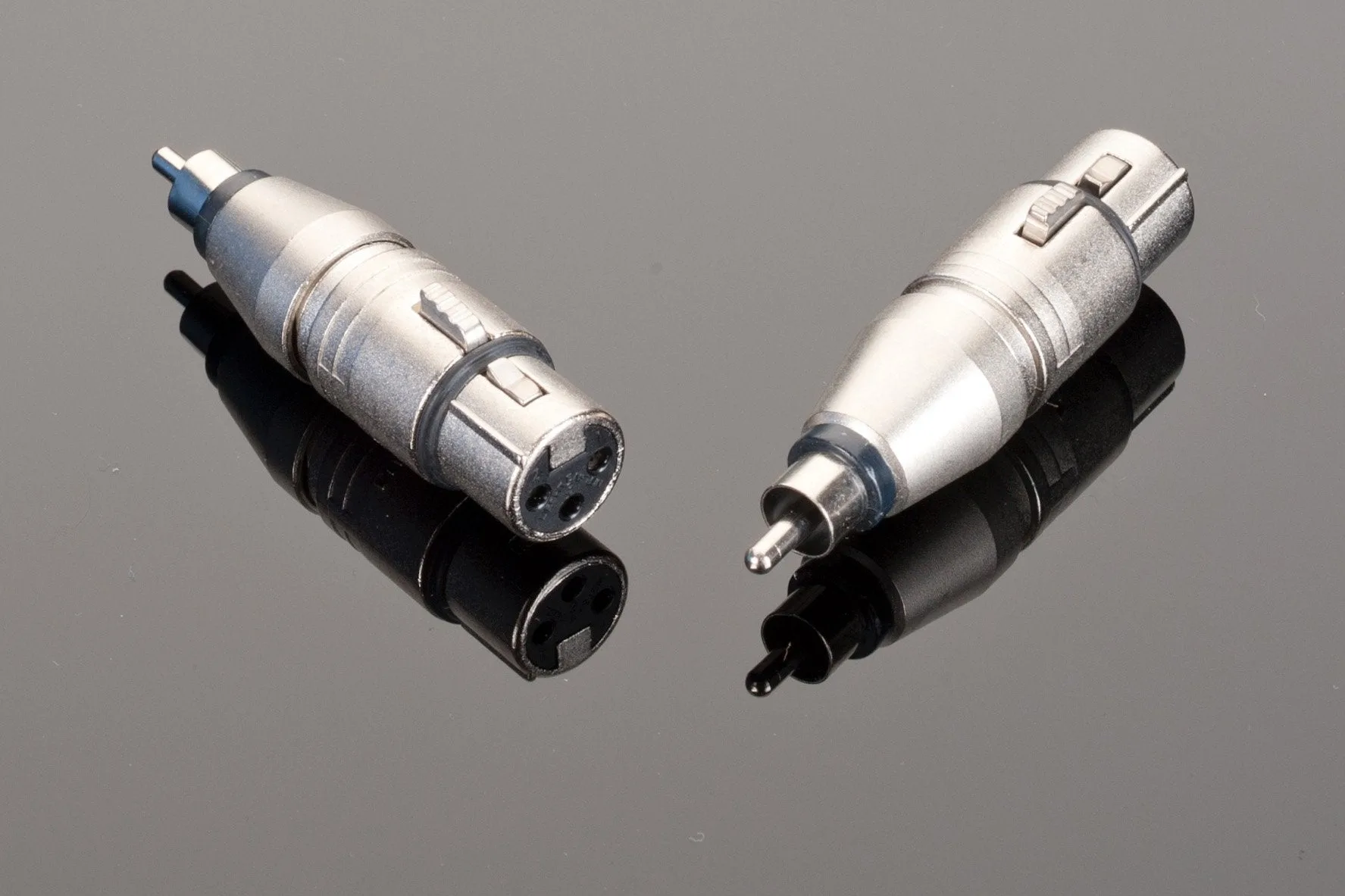
A male RCA to female XLR adapter is the correct part when an RCA-terminated interconnect must reach a component whose only input is a female XLR. It changes the physical connector, not the signal type: the connection stays single-ended and does not become balanced. Buy it for that specific mismatch, not to convert an unbalanced source into a true balanced chain.
What the adapter actually changes
The adapter solves a connector problem only. It lets an RCA cable mate with a female XLR input, which is useful when a source component has RCA outputs and the destination has no RCA input available. Inside, the signal path remains single-ended, so the noise-rejection benefit of a balanced connection is not created. If your run is short and both components are in the same rack, that limitation rarely matters. If the cable must travel across a room near power supplies or dimmers, it does.
Match the adapter to the direction of the signal
Direction matters more than most people expect. This adapter is built for an RCA output feeding a female XLR input. Using it in reverse, or using an XLR-to-RCA cable to feed a balanced input from an unbalanced output, can leave one signal leg floating and produce hum or reduced level. Check which end is the source before you order. If the source is genuinely balanced XLR and the destination is RCA, you need the opposite adapter, not this one.
Where the adapter is the right tool
Use it when a CD player, streamer, or preamplifier output is RCA and the only free input on the receiving component is female XLR. Use it for a temporary bench setup, a second system, or a subwoofer feed where the run is short. Use it when you already own a good RCA interconnect and do not want to replace it. In each case, the goal is access, not a change in the electrical interface.
Where it is the wrong tool
Do not use it to claim a balanced connection in a long cable run. Do not use it to bridge two components that both expect true differential signals, because the adapter does not supply the inverted leg. Do not use it to fix hum that comes from a ground loop, because the adapter does not isolate grounds. If any of those describe your situation, the correct fix is a component with matching outputs or a purpose-built balanced interconnect, not an adapter.
Adapter diagnosis: symptom, cause, action, stop point
- Symptom: no signal at all: The adapter is likely oriented the wrong way, or the receiving component expects a true balanced input and is not seeing the inverted leg. Confirm the source is RCA and the destination input is female XLR. If the source is XLR, stop and use the matching adapter or cable instead.
- Symptom: hum or buzz after adding the adapter: The adapter has converted a balanced input to single-ended, which can expose a ground loop or pickup that the balanced connection was masking. Try a shorter RCA interconnect first. If hum remains, the adapter is not the fix; address grounding or choose a component with matching connections.
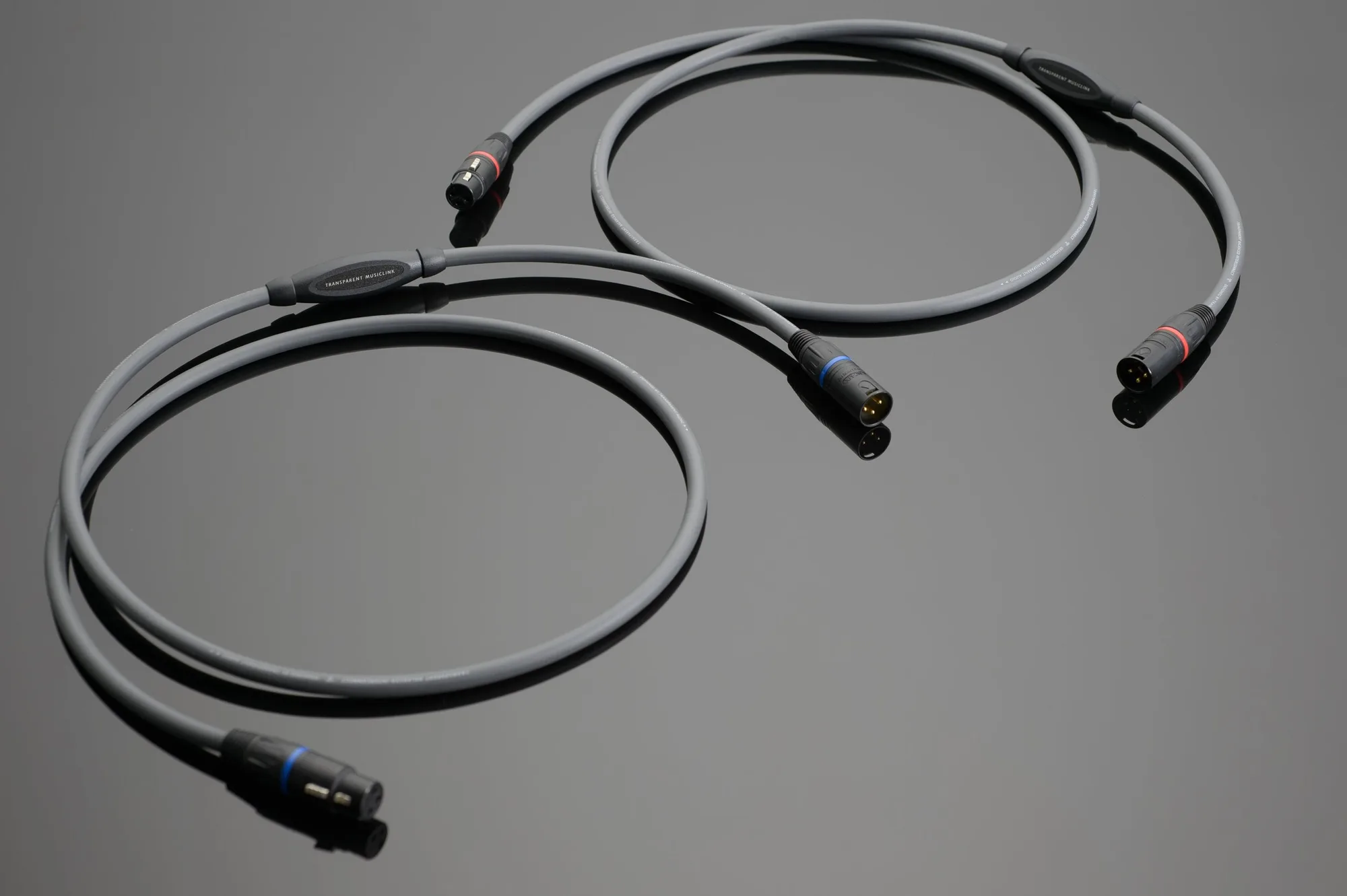
- Symptom: sound is thinner or quieter than expected: The signal is single-ended by design, so level and noise rejection differ from a true balanced link. This is normal behavior for this adapter. If the difference is unacceptable, stop using the adapter and move to a balanced output on the source or a balanced interconnect such as MusicLink Balanced.
- Symptom: it works, but you want balanced performance: An adapter cannot add the second signal leg. Only a source and destination that both offer balanced connections can do that. Keep the adapter for access and convenience, and treat true balanced operation as a separate system decision.
Product facts
- Male RCA to Female XLR: This high quality Neutrik adapter allows one to use RCA terminated interconnects with source components where the only available connection is intended for a female XLR. It is the specific part for an RCA output that must reach a female XLR input, so you can keep an existing RCA interconnect instead of replacing it.
- Male RCA to Female XLR: The connector does not make an RCA cable into a balanced cable, and it changes the balanced connection on the component into a single-ended connection. Expect single-ended performance, not balanced noise rejection. This is the key limit to accept before buying.
- MusicLink Balanced Interconnect: MusicLink Balanced Interconnects are designed to enhance the performance of a music or film system and work with other Transparent System Companions. If both components offer true balanced connections, this is the path that preserves the balanced interface instead of converting it to single-ended.