Start with the lens, not the badge
The Mamiya-Sekor Z 65mm f/4 is a wide lens for the RZ67 system, and buying one used is mostly an exercise in reading evidence carefully. The mount, shutter, glass and cosmetics all matter, but the order of importance depends on how you shoot. This guide uses the supplied record for one specific example to show what a useful listing confirms, what it leaves for you to verify, and how to turn that into a buying decision.
One practical starting point: a used lens with a clear technician evaluation and a stated warranty is easier to assess than a vague 'excellent condition' listing. The example here includes both, which gives you something concrete to compare against other copies you find.
What this used example confirms
-
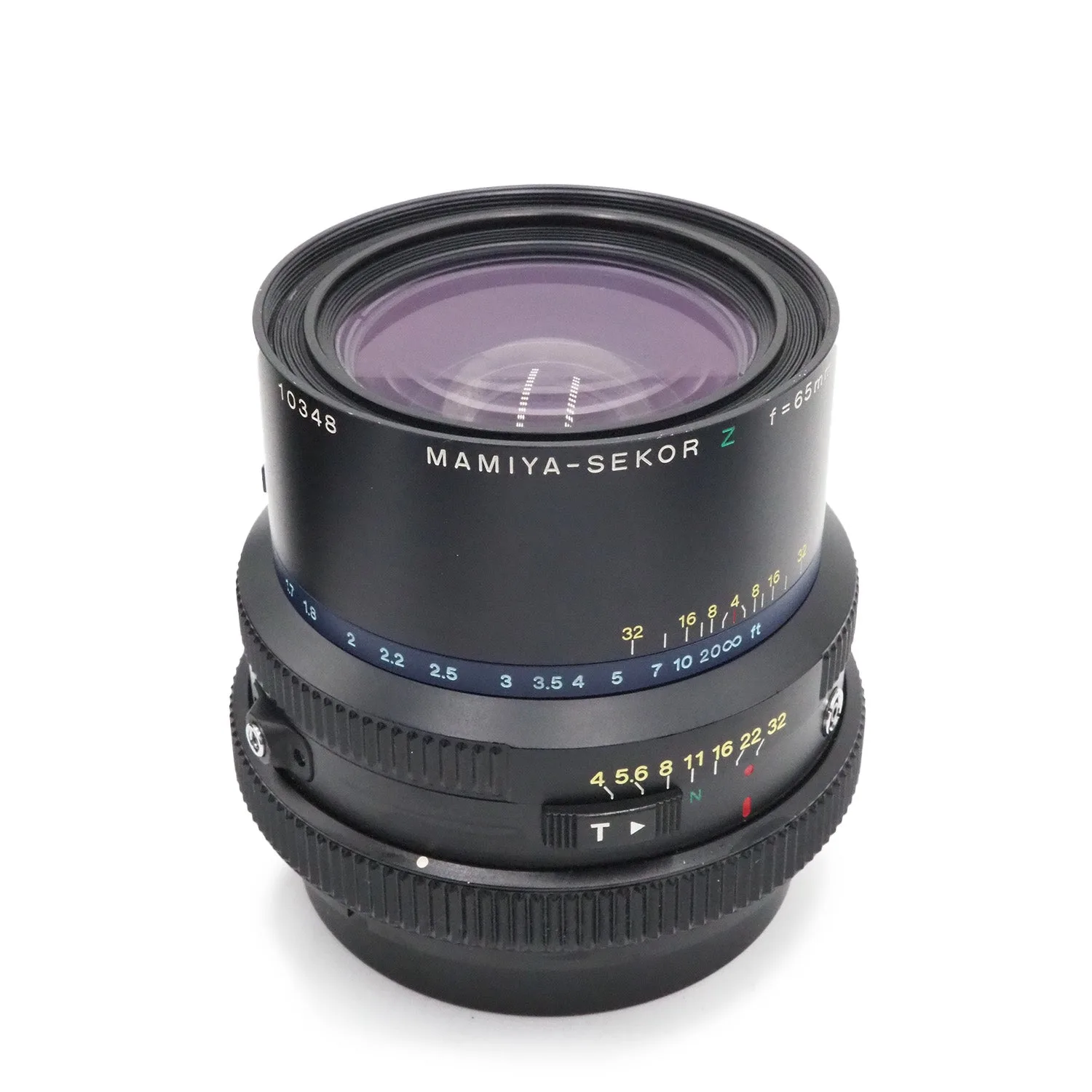
Mamiya-Sekor Z 65mm f/4 Lens for RZ67 - Used: Used Mamiya-Sekor Z 65mm f/4 Lens for RZ67, fully tested as working and supplied with a 90-day warranty. A tested working status and a stated warranty period are the two strongest signals in a used listing; they narrow the risk before you inspect the lens yourself.
Mamiya-Sekor Z 65mm f/4 Lens for RZ67 - Used
-
Mamiya-Sekor Z 65mm f/4 Lens for RZ67 - Used: Technician evaluation: in excellent condition with no marks on the exterior; glass optics in excellent shape with no scratches, haze, fungus or separation. These are the specific defects that most affect image quality and repair cost, so a listing that addresses them directly is more useful than a general condition grade.
-
Mamiya-Sekor Z 65mm f/4 Lens for RZ67 - Used: Includes front and rear lens caps. Caps are easy to overlook, but missing caps mean extra cost and more handling risk; their inclusion is a small but real value point.
-
Mamiya-Sekor Z 65mm f/4 Lens for RZ67 - Used: Listing notes that LED dots and other reflections in the photos are glare from the product lighting tent, not flaws in the lens. Used-lens photos often show bright spots that look like coating damage; knowing they are lighting artifacts prevents a false alarm and helps you judge the glass fairly.
What the listing does not confirm
The supplied record does not include a specifications table, so details such as exact filter thread, minimum focus distance, aperture blade count, or whether the lens was serviced internally are not confirmed here. That is not a claim that the lens lacks these features; it simply means you should not assume them from this listing alone.
The record also does not describe the lens's electronic or mechanical interface beyond the RZ67 fit implied by the product name. If you plan to use it with a different body or an adapter, verify compatibility with the seller before buying rather than relying on the model name.
A used RZ67 lens check you can do yourself
- Inspect the glass under a point light: Look through the lens from both ends and angle it toward a small light. Check for scratches, haze, fungus and separation, the same points the technician evaluation addresses. Ignore bright dots that move with the light; those are reflections, not defects.
- Work the aperture and focus rings: Turn the aperture ring through its full range and focus from close to infinity. The action should be smooth and consistent. The supplied record does not describe ring feel, so this is something you confirm in person or ask the seller about.
- Check the mount and body fit: Mount the lens on your RZ67 and confirm it locks securely with no wobble. The listing confirms the lens is for the RZ67, but it does not describe mount wear, so check the bayonet for looseness or damage.
- Confirm what is in the box: The record confirms front and rear caps. Ask whether any other accessories are included, and do not assume a hood, case or manual comes with it.
How to weigh condition against price
A clean, tested copy with a warranty is usually worth more than a cheaper copy with unknown history, especially for a lens you plan to use regularly. The catalog price for this example is USD 377.99 against a comparison price of USD 599.99, which gives you a reference point when comparing other listings. Treat that as one data point, not a market verdict.
The record also notes that older vintage items can show a slight degree of imperfection, which is a reasonable expectation for used gear. The important distinction is between cosmetic wear and optical or mechanical problems. A mark on the barrel is a negotiating point; haze, fungus or a stiff focus ring is a repair bill.
Questions worth asking before you commit
- Has the lens been tested on a body, or only inspected?: This listing states it was fully tested as working. For other listings, ask how it was tested and on what body.
- What does the warranty cover?: This example comes with a 90-day warranty. Ask what is included and what would void it before you rely on it.
- Are the photos showing glare or damage?: Ask the seller to confirm any bright spots in the images, as this listing does, so you are not guessing.
- Is the serial number recorded?: This example lists serial 10348. A recorded serial helps you match the lens you receive to the one described.