Quick answer
Managing diabetes in pets involves consistent monitoring of blood glucose and ketones, and in some cases, medications like Selegiline HCL may be prescribed for related conditions such as Cushing's disease or cognitive dysfunction.
Why monitoring matters for diabetic pets
Diabetes in dogs and cats requires regular tracking of blood glucose and ketone levels to prevent complications like diabetic ketoacidosis. Blood ketone test strips designed for pets can give you fast, accurate readings at home, reducing the need for frequent vet visits.
When Selegiline HCL fits into the picture
Selegiline HCL is not a diabetes drug, but it is sometimes prescribed for dogs with pituitary-dependent hyperadrenocorticism (Cushing's disease), a condition that can complicate diabetes management. It may also help manage canine cognitive dysfunction, which is more common in older diabetic pets.
Steps for managing diabetes in your pet
- Establish a baseline with your veterinarian: Work with your vet to set target blood glucose and ketone ranges for your pet. Get a clear monitoring schedule and ask about at-home testing options. Common mistake: skipping baseline testing and guessing ranges. Always confirm targets with your vet first.
- Monitor blood ketones regularly: Use pet-specific blood ketone test strips like CentriVet Canine/Feline strips. Follow the included species code chip instructions to ensure accurate readings. Test at the same time each day, ideally before meals. Checkpoint: if ketone levels rise above your vet's threshold, contact your vet immediately—it may signal ketoacidosis.
- Track your pet's behavior and appetite: Keep a daily log of water intake, urination frequency, appetite changes, and energy levels. These signs often shift before lab values do. Common mistake: relying only on test strips. Behavioral changes can be early warnings, so log them consistently.
- Administer medications as prescribed: If your vet prescribes Selegiline HCL for Cushing's disease or cognitive dysfunction, give it at the same time each day and never adjust the dose without veterinary approval. Note any side effects like vomiting or lethargy. Checkpoint: Selegiline HCL is not a diabetes medication, so keep insulin or other diabetes drugs on their own schedule unless your vet advises otherwise.
- Schedule regular vet rechecks: Bring your monitoring logs and test results to every recheck appointment. Your vet may adjust insulin doses or other medications based on trends, not single readings. Common mistake: assuming stable readings mean you can skip rechecks. Trends matter more than isolated numbers.
Products mentioned in this guide
-
Selegiline HCL: Selegiline HCl is a prescription medication used in dogs to help manage Canine Cognitive Dysfunction (CCD) and pituitary-dependent hyperadrenocorticism (Cushing’s disease) in select cases. If your diabetic dog also has Cushing's disease or cognitive decline, Selegiline HCL may be part of their treatment plan, but it requires a vet's prescription and careful monitoring.
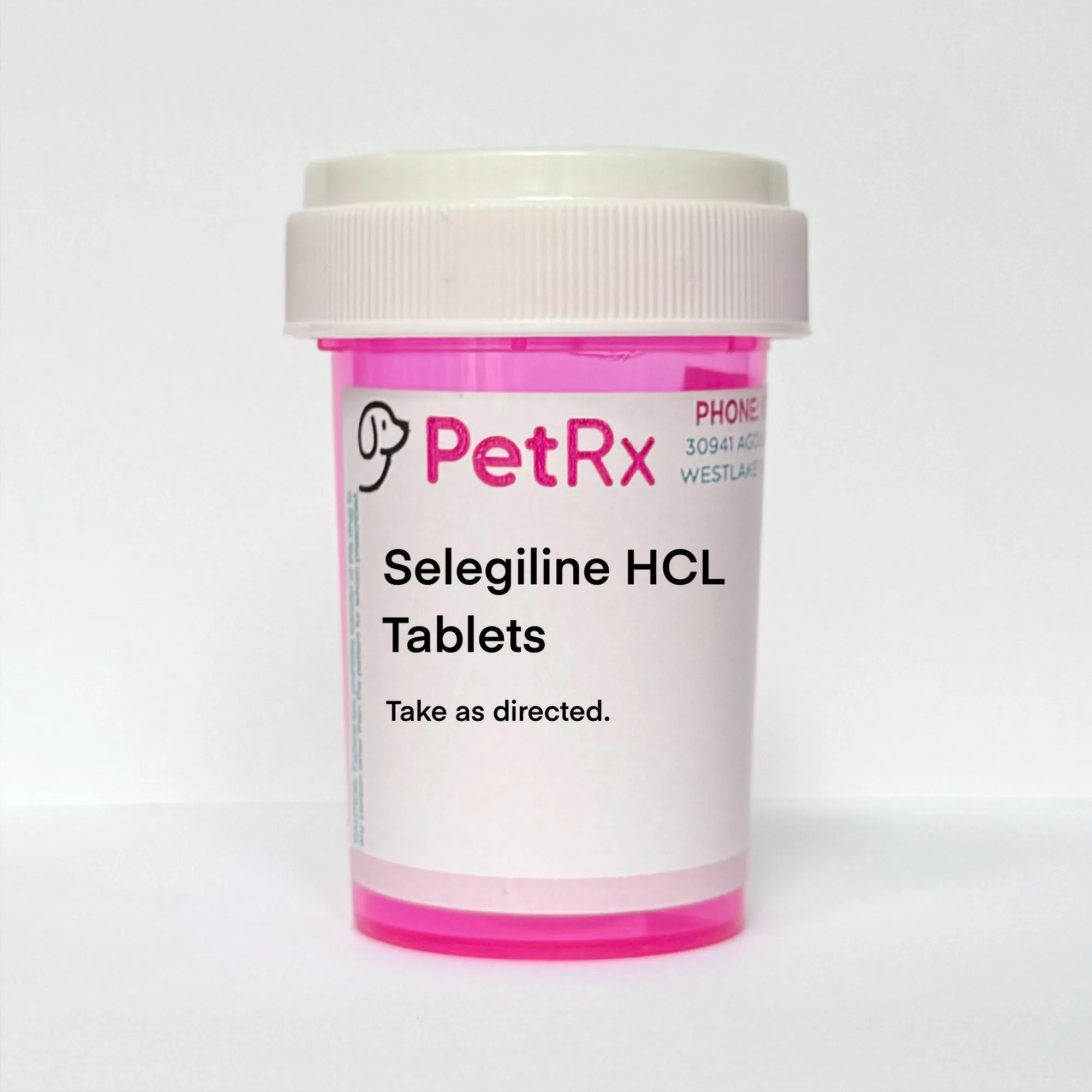
Selegiline HCL
-
CentriVet Canine/Feline Blood Ketone Test Strips and Code Chip, 25 ct: CentriVet Canine/Feline Blood Ketone Test Strips come in a 25-count pack with a species code chip, for use with dogs and cats. These strips let you check ketone levels at home, helping you catch early signs of diabetic ketoacidosis before it becomes an emergency.

CentriVet Canine/Feline Blood Ketone Test Strips and Code Chip, 25 ct