Filipino desserts have a special place in the hearts of many, offering a unique blend of sweetness, texture, and tropical flavors. Two pantry staples that often spark curiosity among home cooks and dessert lovers are mango jam and nata de piña. While both hail from the Philippines and bring their own charm to the table, they serve very different purposes in the kitchen. Understanding their differences can help you choose the right ingredient for your next dessert, whether you're spreading it on toast or folding it into a creamy fruit salad.
In this comparison, we'll explore the key characteristics of mango jam and nata de piña, including their texture, sweetness level, common uses, and how they fit into classic Filipino dessert recipes. By the end, you'll know exactly when to reach for a jar of mango spread versus a can of sweet pineapple cubes—and you'll discover some exciting ways to use both in your own kitchen.
What Is Mango Jam? A Sweet and Fruity Spread
Mango jam is a thick, spreadable preserve made from ripe Philippine mangoes, sugar, and sometimes a touch of calamansi or lemon juice to balance the sweetness. The fruit is cooked down until it reaches a jam-like consistency, concentrating its naturally sweet and tangy flavor. Unlike fresh mangoes, which are juicy and fibrous, mango jam offers a smooth, velvety texture that glides easily onto bread, crackers, or pastries.
One of the most popular brands in the Philippines is Philippine Mango Jam, which delivers an authentic taste of the tropics. This jam is incredibly versatile—you can use it as a filling for ensaymada, a topping for bibingka, or even as a glaze for grilled meats. Its intense fruitiness makes it a favorite among those who love a concentrated mango flavor without the mess of peeling and slicing fresh fruit.
- Mango jam is ideal for spreading on pandesal, toast, or crackers for a quick breakfast or snack.
- Use it as a filling for Filipino pastries like ensaymada, hopia, or cream puffs.
- A dollop of mango jam can elevate a simple bowl of yogurt or ice cream into a tropical treat.
What Is Nata de Piña? A Chewy and Refreshing Dessert Ingredient
Nata de piña is a translucent, jelly-like product made from the fermentation of pineapple juice. It has a chewy, bouncy texture and a mild sweetness that makes it a popular addition to Filipino desserts and drinks. Unlike mango jam, which is a spread, nata de piña is typically sold in syrup and used as a topping or mix-in. Its neutral flavor allows it to absorb the tastes of other ingredients, making it a versatile component in many recipes.
You can find nata de piña in cans or jars, often alongside other sweet preserves like kaong (sugar palm) in heavy syrup. Its texture is similar to coconut jelly but with a firmer bite. In Filipino cuisine, nata de piña is a key ingredient in fruit salad, halo-halo, and various cold desserts. It also adds a fun, chewy element to drinks like buko pandan and sago't gulaman.
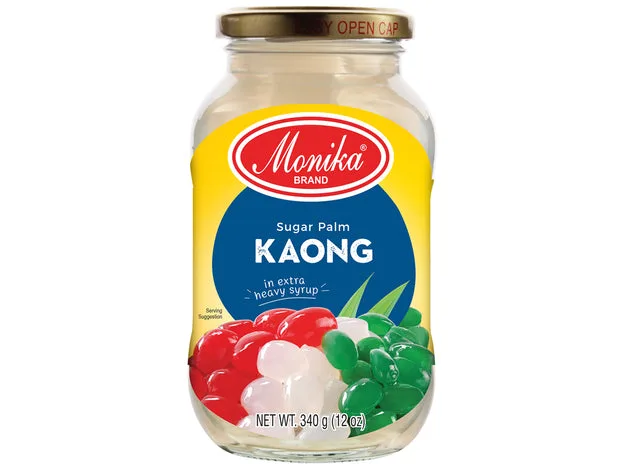
kaong (sugar palm) in heavy syrup
- Nata de piña is a must-have for classic Filipino fruit salad, adding texture and sweetness.
- Toss it into halo-halo for a refreshing contrast to shaved ice and leche flan.
- Use it as a topping for ice cream, pudding, or even pancakes for a tropical twist.
Key Differences at a Glance: Mango Jam vs Nata de Piña
While both products are sweet and Filipino in origin, they are fundamentally different in texture, taste, and application. Mango jam is a concentrated fruit spread with a smooth, thick consistency and intense mango flavor. Nata de piña, on the other hand, is a chewy jelly with a mild, slightly sweet taste that complements other ingredients rather than dominating them. The table below summarizes their key differences to help you decide which one fits your recipe best.
- Texture: Mango jam is smooth and spreadable; nata de piña is chewy and jelly-like.
- Flavor: Mango jam is intensely fruity and sweet; nata de piña is mild and subtly sweet.
- Common uses: Mango jam is used as a spread or filling; nata de piña is used as a topping or mix-in for desserts and drinks.
- Storage: Both are shelf-stable when unopened, but mango jam should be refrigerated after opening, while nata de piña can be kept in its syrup in the fridge.
How to Choose Between Mango Jam and Nata de Piña for Your Dessert
Choosing between mango jam and nata de piña depends largely on the texture and flavor profile you want to achieve. If you're making a spreadable topping for bread or pastries, mango jam is the clear winner. Its rich, fruity taste pairs beautifully with buttery baked goods like pandesal or croissants. On the other hand, if you're preparing a layered dessert like fruit salad or halo-halo, nata de piña's chewy texture adds a delightful contrast to creamy and crunchy elements.
For a truly authentic Filipino dessert experience, consider using both in the same recipe. For example, you can layer a fruit salad with nata de piña, kaong, and other canned fruits, then drizzle a bit of mango jam on top for extra sweetness. Alternatively, mix mango jam into a glaze for grilled chicken or pork, and serve it with a side of nata de piña salad for a sweet-savory balance. The possibilities are endless when you have both ingredients in your pantry.
- For spreads and fillings: Choose mango jam for its smooth, intense fruit flavor.
- For chewy texture in desserts: Opt for nata de piña to add a bouncy, refreshing element.
- For a combined approach: Use mango jam as a sauce or glaze and nata de piña as a topping for a multi-textured dessert.
Where to Buy Authentic Filipino Mango Jam and Nata de Piña
Finding authentic Filipino sweet products in the Netherlands can be a challenge, but Kuya Cris Filipino Store makes it easy. We carry a wide selection of Philippine mango jam and nata de piña, along with other dessert essentials like kaong (sugar palm) in heavy syrup. Whether you're a seasoned home cook or new to Filipino cuisine, having these ingredients on hand allows you to recreate classic desserts with ease.
Our online store ships directly to your doorstep, so you can enjoy the taste of the Philippines without leaving home. Stock up on mango jam for your morning toast and nata de piña for your next family gathering. Both products are shelf-stable, making them convenient pantry staples that last.
- Check out our selection of Philippine Mango Jam for a rich, authentic spread.
- Add nata de piña to your cart for chewy, sweet dessert additions.
- Don't forget to browse other sweet treats like kaong (sugar palm) in heavy syrup for a complete dessert experience.
Whether you're spreading mango jam on warm pandesal or folding nata de piña into a creamy fruit salad, both ingredients bring the vibrant flavors of the Philippines to your table. For your next dessert project, consider trying Lily’s Classic Peanut Butter big size 504g as a savory-sweet twist, or explore our full range of Filipino sweet products at Kuya Cris Filipino Store. Happy cooking and enjoy your Pinoy sweets!

Lily’s Classic Peanut Butter big size 504g