Quick answer
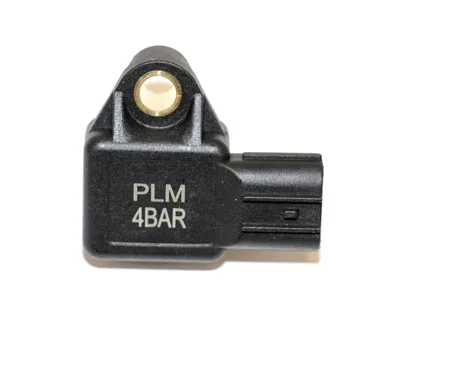
For most turbo or supercharged K20 and K24 builds, a 4 bar MAP sensor is the sweet spot. It reads up to 43 psi of boost without losing resolution at idle, and it plugs directly into the factory harness. The PLM Power Driven 4 BAR MAP Sensor is a proven option that matches that spec and includes a fast 0.001-second response time.
Why bar rating matters for your K-Series build
A MAP sensor’s bar rating tells you the maximum absolute pressure it can measure. A 1 bar sensor reads atmospheric pressure only (about 14.7 psi). A 2 bar sensor reads up to 14.7 psi of boost, a 3 bar up to 29.4 psi, and a 4 bar up to 43 psi of boost. If your build runs more boost than the sensor can measure, the ECU will go into a default or limp mode. On the other hand, using a 5 bar sensor on a mild 10 psi street car wastes resolution — the ECU sees a smaller voltage change per psi, making it harder to dial in a precise idle and part-throttle tune.
Plug-and-play vs. wiring adapters
A direct plug-and-play MAP sensor saves installation time and eliminates wiring mistakes. The PLM Power Driven 4 BAR MAP Sensor is designed for several Honda and Acura K-Series applications and uses the factory connector. If you choose a sensor that requires splicing or a pigtail adapter, budget extra time and verify the pinout against your ECU. Plug-and-play is especially convenient if you plan to swap sensors between cars or revert to stock later.
Response time and tuning stability
A faster sensor response time helps the ECU react quickly to throttle changes and boost spikes. The PLM Power Driven 4 BAR MAP Sensor claims a 0.001-second response time, which is among the quickest available. Slower sensors can cause a laggy feel or require additional compensation in the tune. For a daily-driven turbo K24, a responsive sensor makes the part-throttle transition smoother. For a dedicated track car, it helps the ECU catch boost onset more consistently.
Decision rules for choosing a MAP sensor
- Match bar rating to your boost target: Choose a 2 bar for builds under 15 psi, 3 bar for up to 29 psi, and 4 bar for up to 43 psi. Going higher than needed reduces tuning resolution. Check your target boost before buying.
- Prefer plug-and-play for daily drivers: A sensor that uses the factory connector saves wiring time and reduces the chance of pinout errors. It also makes swapping back to stock straightforward. Look for direct fitment listed for your specific K-Series variant.
- Consider response time for driveability: Faster sensors (around 0.001 seconds) help the ECU adjust fuel and timing more quickly during transient throttle events. Slower sensors may require additional tuning compensation. If you daily drive your car, a fast sensor improves part-throttle feel.
Product facts
- PLM Power Driven 4 BAR MAP Sensor Honda K-Series & BRZ FR-S 86: PLM Power Driven 4 BAR MAP Sensor for Honda K-Series & BRZ FR-S 86. Designed for turbo or supercharged setups, supports up to 43 psi of boost, direct plug-and-play fitment for several Honda/Acura applications, fastest response time of 0.001 seconds. A 4 bar sensor covers the boost range of most street and track K-Series builds without sacrificing resolution. The quick response helps the ECU deliver a stable idle and crisp throttle response.
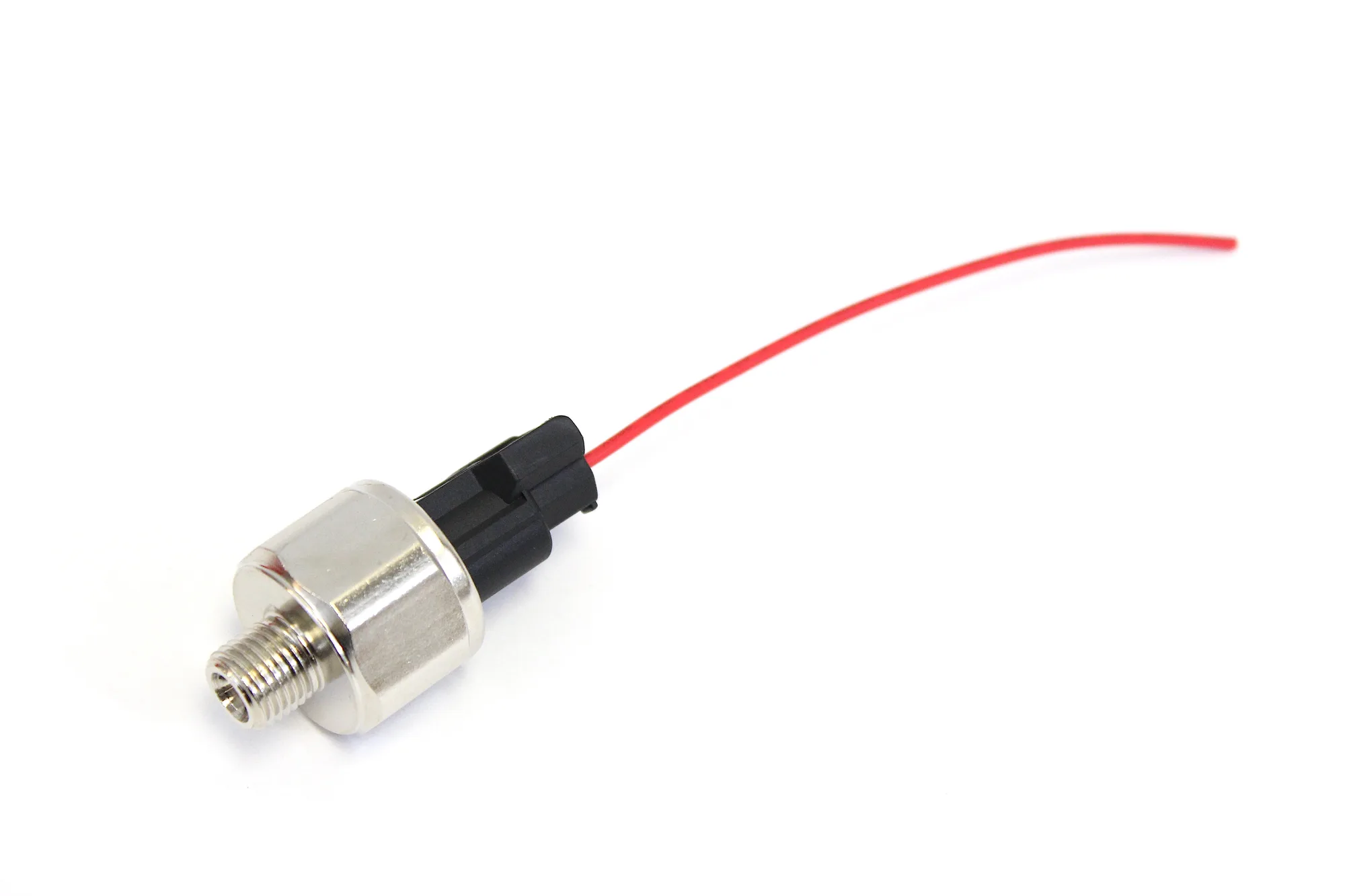
- PLM K-Series Knock Sensor with Optional Plug 30530-PPL-A01: PLM K-Series Knock Sensor with Optional Plug 30530-PPL-A01. OEM-spec sensor at less than dealer cost, fits all K-Series engines except K24Z, available with pigtail wiring for easy installation, 100% plug and play with factory reading and output. When tuning a boosted K-Series, a functioning knock sensor is critical for detecting detonation early. This OEM-spec replacement is a cost-effective way to restore or upgrade that safety net.
Which MAP sensor fits your build?
Best for
- Turbo or supercharged K20 and K24 builds targeting up to 43 psi of boost
- Drivers who want a direct plug-and-play install without splicing wires
- Tuners who value fast sensor response for stable idle and transient tuning
Not for
- Naturally aspirated K-Series engines that do not require a MAP sensor upgrade
- Builds running more than 43 psi of boost (need a 5 bar sensor)