Quick Answer
For most families, a wooden marble run is the best first set because it stays put on the floor and survives years of rebuilding, while plastic sets win on price and magnetic sets win on quick, frustration-free builds. If you want a set that doubles as a display piece, a 404-piece wooden jigsaw puzzle like the Fish puzzle from AreYouGame is a separate but complementary option. Match the material to your child's patience and your tolerance for noise and loose pieces.
What Actually Separates Wooden, Plastic, and Magnetic Marble Runs
The material changes three things: how well the track stays together, how loud it is, and how precisely the pieces fit. Wooden runs use thicker blocks and tighter joints, so towers survive a bumped table. Plastic runs are lighter and cheaper, but tall builds wobble unless you brace them. Magnetic runs use magnets instead of friction or pegs, so pieces snap together fast and come apart just as fast when a marble hits a weak joint. None of these is universally better; each trade-off matters more at different ages.
Wooden vs. Plastic: Stability, Noise, and Longevity
Wooden sets are quieter and heavier, which helps them stay aligned after repeated play. They also tend to cost more and can be harder to replace if a single piece goes missing. Plastic sets are louder, lighter, and usually cheaper, and they often include more specialty pieces like funnels and spirals. The trade-off is clear: wooden for durability and calm play, plastic for variety and lower entry cost. If your child gets frustrated when towers fall, wooden is the safer bet; if they want maximum track options per dollar, plastic wins.
Where Magnetic Marble Runs Fit
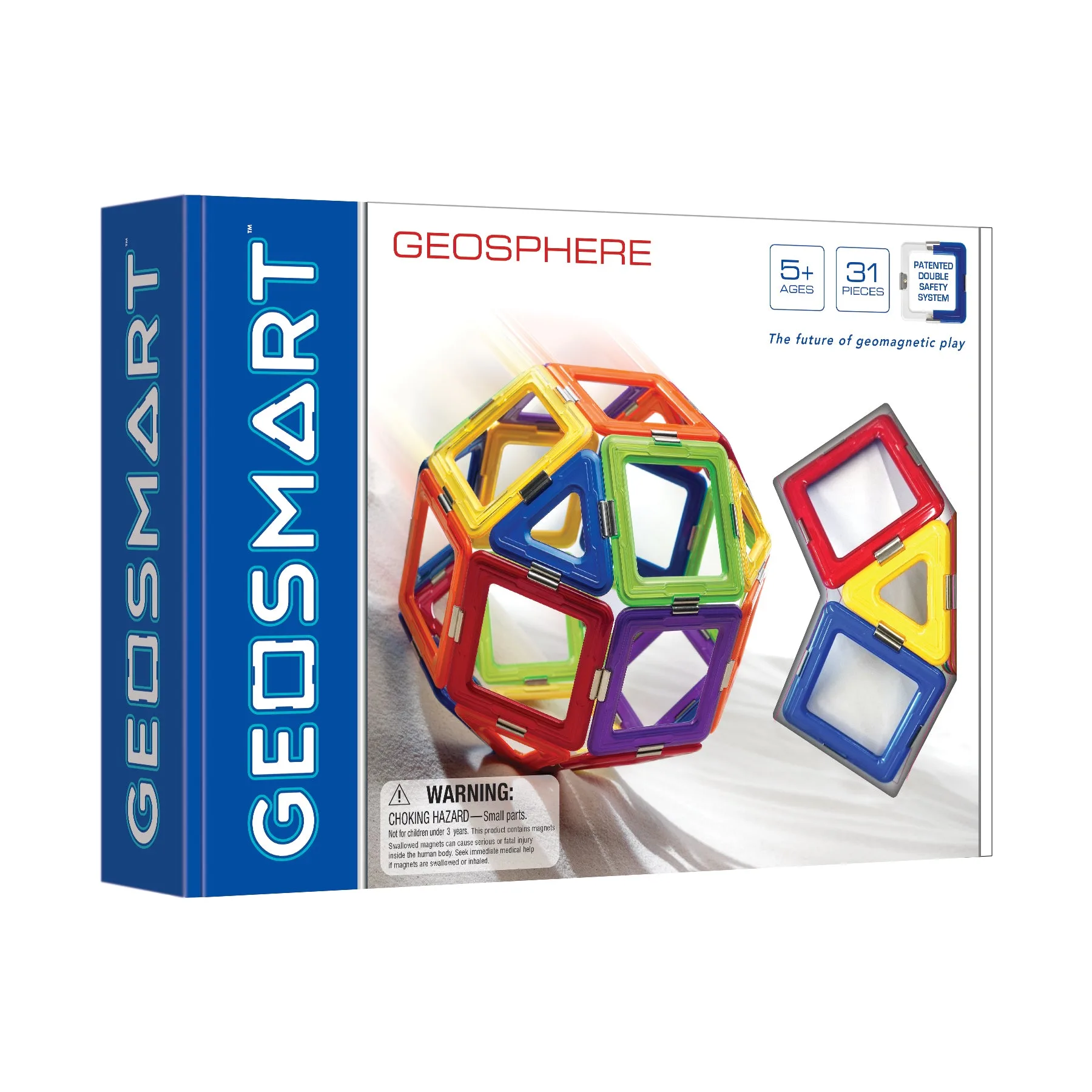
Magnetic marble runs are the fastest to assemble and the easiest for younger kids to reconfigure without adult help. The magnets hold pieces in place during setup, but a hard marble impact can still knock a joint loose. They are best for children who want to build, run, and rebuild in short sessions rather than create a permanent structure. If your child prefers open-ended building with a clear payoff, magnetic sets reduce the frustration of aligning pegs and slots.
Marble Run Pieces Compatibility: What to Check Before You Buy
Marble size is the most common compatibility problem. A marble that fits one brand's track may roll too fast or get stuck in another. Before buying a second set, check the marble diameter and the connector style (peg, slot, or magnet). If the catalog does not list a marble size, treat that as a decision limitation and assume you may need to buy a matching expansion pack rather than mixing brands. Buying two sets from the same line is the safest way to guarantee compatibility.
Marble Run Age Recommendations and Safety Basics
Most marble runs are labeled for ages 3 and up, but the real cutoff is whether your child still puts small parts in their mouth. Marbles are a choking hazard, so a set rated 4+ or 5+ is more realistic for independent play. For ages 3 to 5, choose larger pieces and a magnetic or chunky plastic set that an adult can help assemble. For ages 6 and up, wooden and plastic sets with smaller connectors become manageable and more rewarding.
How to Compare a Marble Maze Set to Other Building Toys
A marble maze set is a single-purpose toy: it builds a track for a rolling ball. That focus is a strength if your child likes cause-and-effect play, but it is a weakness if they want open-ended creation. If you are choosing between a marble run and a jigsaw puzzle, consider the child's temperament. A 404-piece wooden jigsaw puzzle rewards patience and quiet focus, while a marble run rewards experimentation and quick iteration. Both are valid; they just train different skills.
Trade-Offs at a Glance
- Wooden marble runs: Heavier blocks and tighter joints keep towers standing, but they cost more and replacement pieces can be hard to find. Choose wooden if durability and calm play matter most.
- Plastic marble runs: Lighter and cheaper with more specialty pieces, but taller builds wobble and the pieces are louder on hard floors. Choose plastic if you want maximum track variety per dollar.
- Magnetic marble runs: Fastest to assemble and easiest for young kids to reconfigure, but magnets can release when a marble hits a joint hard. Choose magnetic if quick rebuilds matter more than permanent structures.
- Piece compatibility: Marble diameter and connector style vary by brand, and many catalogs do not list a marble size. Buy expansion packs from the same line, or measure your marbles before mixing brands.
- Age fit: Most sets are labeled 3+, but marbles are a choking hazard and independent play is more realistic at 4+ or 5+. Match the set to your child's mouthing habits, not just the box age.
Product Facts
- Wooden Jigsaw Puzzle - Fish: 404 Pcs: Wooden Jigsaw Puzzle - Fish: 404 Pcs is an intricate wooden jigsaw puzzle by AreYouGame with 404 uniquely cut pieces and assembled dimensions of approximately 8 x 16 inches. This is a quiet, patience-building alternative to a marble run and doubles as display art, so it suits a child who prefers focused solo work over active building.
- Grow it Play Set - Swamp Adventure: Grow it Play Set - Swamp Adventure is a moldable play set that grows up to 30 times its size when you add water and can be re-grown after it dries out, recommended for ages 4+. If your child likes sensory, repeatable play more than track building, this is a lower-mess alternative that never wears out and works for one or more players.
- Sandbox Critters Tabletop Play Set - Ladybug: Sandbox Critters Tabletop Play Set - Ladybug measures 10.5 x 8.5 x 2 inches, includes a lid and a 20 x 20 inch no-mess play mat, and is designed for tabletop use in any weather. This is a compact, contained option for small spaces or rainy days, and the lid and mat reduce cleanup compared with a floor-based marble run.
- Bocce Ball Set: Bocce Ball Set includes eight brightly colored 100mm balls, a Pallino, a carrying bag, and instructions, and is recommended for 2-4 players ages 13+. For older kids and family groups who want a social outdoor game instead of a solo building toy, this set is a better fit than a marble run.
Which Marble Run Should You Buy?
Best for
- Families who want a durable first marble run that survives daily rebuilding
- Children ages 4-8 who enjoy cause-and-effect play and short building sessions
- Parents who prefer quieter toys and are willing to pay a bit more for longevity
Not for
- Toddlers who still put small parts in their mouths
- Kids who want open-ended building with no single purpose
- Shoppers who need the lowest possible price and do not mind wobble or noise