Quick Answer
Choose marble when the floor is the design feature: veining, geometric patterns, and black-and-white contrast you want to see every day. Choose limestone when you want a quieter, more uniform surface with a textured finish that hides water spots and daily wear. If you are unsure, order a small sample of each and compare them in your own bathroom light before committing to a full order.
What Actually Separates These Two Stones in a Bathroom
Both are natural stone, so both are porous and both need sealing, but they behave differently underfoot and under a squeegee. Marble is defined by movement: veining, dramatic contrast, and the ability to be cut into patterns. Limestone is defined by consistency: a more even field of color and a surface that can be bush hammered into a texture. That single difference drives most of the decision.
Finish matters as much as stone type. A honed finish is smooth and matte, which softens reflections and makes water spots and etching less obvious. A polished finish is reflective and shows more, both in shine and in smudges. In a bathroom, honed surfaces are usually the more forgiving choice for the floor, while polished stone often works better on walls where it will not be walked on.
Match the Stone to the Room, Not the Other Way Around
A small powder room rewards drama because you see the whole floor at once. A busy family bathroom rewards forgiveness because the floor gets wet, gritty, and used. Before you pick a stone, decide which of those two rooms you actually have.
Patterned marble can make a small bathroom feel intentional rather than plain, but every grout line and every chip is more visible against a strong pattern. A uniform limestone field is more forgiving of a slightly imperfect installation and of the small marks that accumulate over time. Neither is better in the abstract; they solve different problems.
- Powder room or guest bath: pattern-forward marble earns its keep.
- Family or kids' bath: uniform limestone with a textured finish is the lower-stress pick.
- Wet room or shower floor: prioritize grip and a finish that hides water spotting.
Finish, Grip, and Maintenance in Real Use
Smooth honed marble and smooth limestone are both slippery when wet. A bush hammered finish changes that by adding texture, which is why it is worth considering for shower floors and any bathroom used by children or older adults. The tradeoff is that a textured surface holds more dirt in its pits and needs a stiffer brush.
Sealing is not optional for either stone. Reapply according to how the floor behaves, not the calendar: when water stops beading, it is time to reseal. Use a pH-neutral cleaner for routine mopping and wipe up acidic spills, including vinegar and citrus, promptly on marble.
Order Samples Before You Order Square Footage
Natural stone varies from batch to batch, and a photo on a screen cannot tell you how a stone reads in your bathroom's light. A sample lets you check color against your vanity, your wall tile, and your lighting before you commit. It also lets you test how the finish feels underfoot and how it responds to a drop of water.
This is the cheapest step in the project and the one that prevents the most expensive mistakes. If the sample disappoints, you have lost a few dollars instead of a full order.
Decision Rules: Marble or Limestone?
- If you want the floor to be the focal point: Choose marble, especially a patterned or contrasting design. Its veining and pattern options are the reason to pick it, and a honed finish keeps that pattern readable without glare. Pick marble when the floor is the feature, not the backdrop.
- If you want a calm, uniform surface: Choose limestone. Its more even field of color and its ability to take a bush hammered texture make it the quieter, more forgiving floor for a heavily used bathroom. Pick limestone when you want the floor to recede and the room to feel calm.
- If slip resistance is the deciding factor: Prioritize a textured finish over stone type. A bush hammered limestone gives grip that a smooth honed marble cannot match, and it hides water spotting better. Grip comes from finish, not from the name of the stone.
- If you are torn between the two: Order a sample of each and place them side by side in your bathroom for a few days. Compare them in morning and evening light, and test a drop of water on each. Samples cost a few dollars; a wrong full order costs the whole project.
Grounded Examples From the Catalog
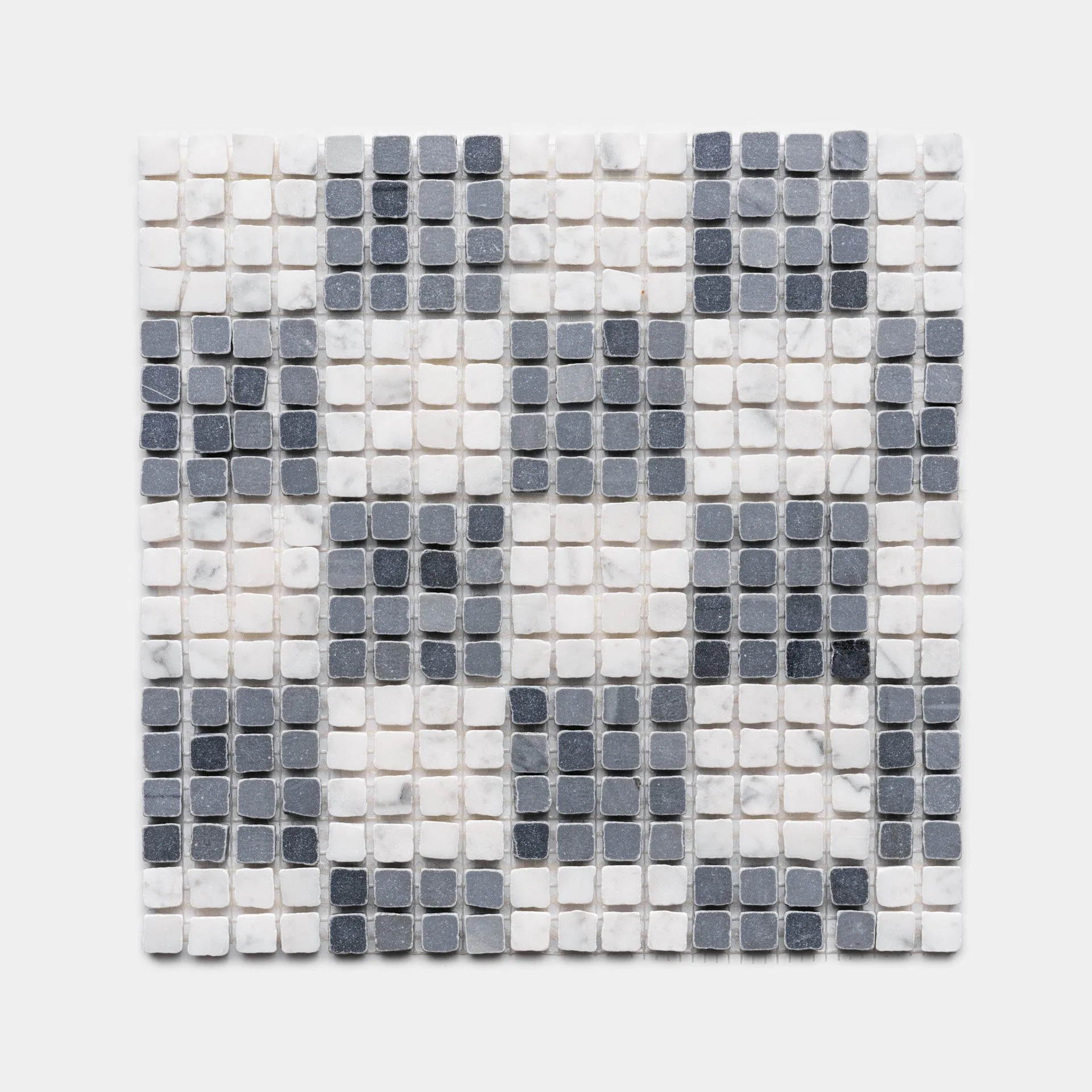
- Piazzetta in Carrara + Nero Marquina: Piazzetta in Carrara + Nero Marquina is a patterned marble tile pairing soft white-grey Carrara with bold black Nero Marquina, finished honed for a smooth, matte look. This is the pattern-forward marble option: the honed finish keeps the black-and-white contrast graphic without a high-gloss shine that would show every water spot.
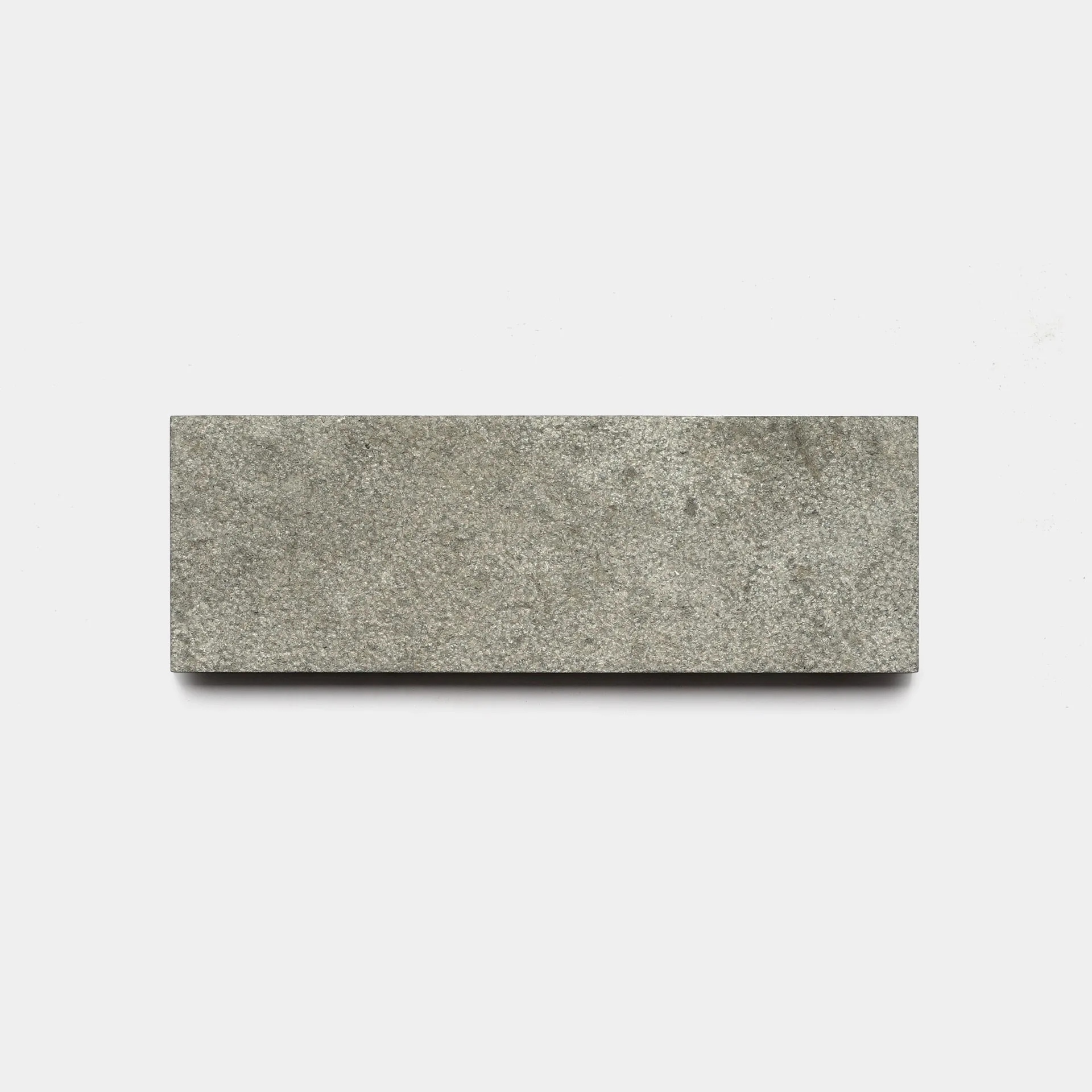
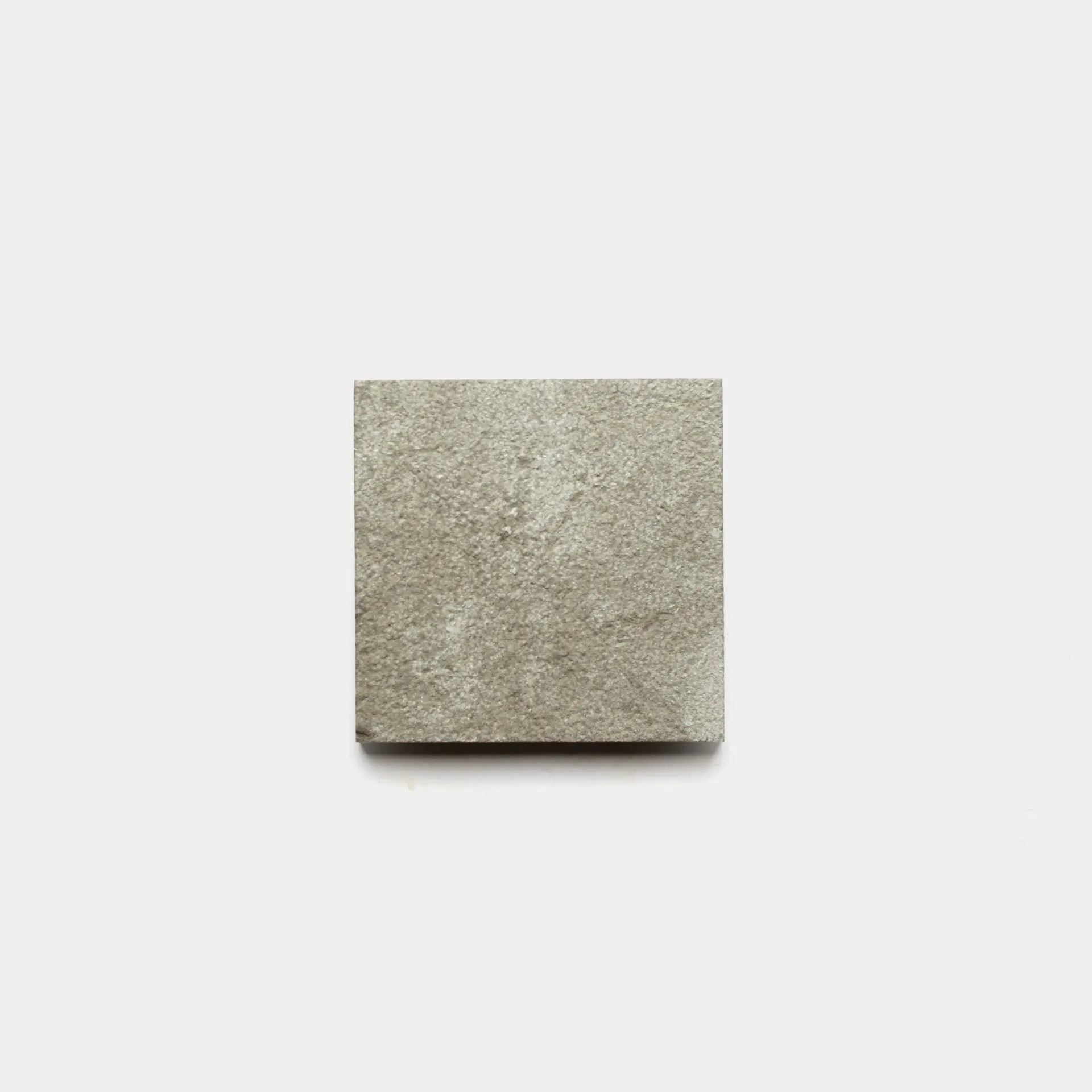
- Basilica 4x12 + Bush Hammered, Sample: Basilica 4x12 + Bush Hammered, Sample is a limestone tile sample in a 4x12 format with a bush hammered finish, sold as a single sample. A low-cost way to judge limestone's texture and color in your own bathroom light before ordering a full run.
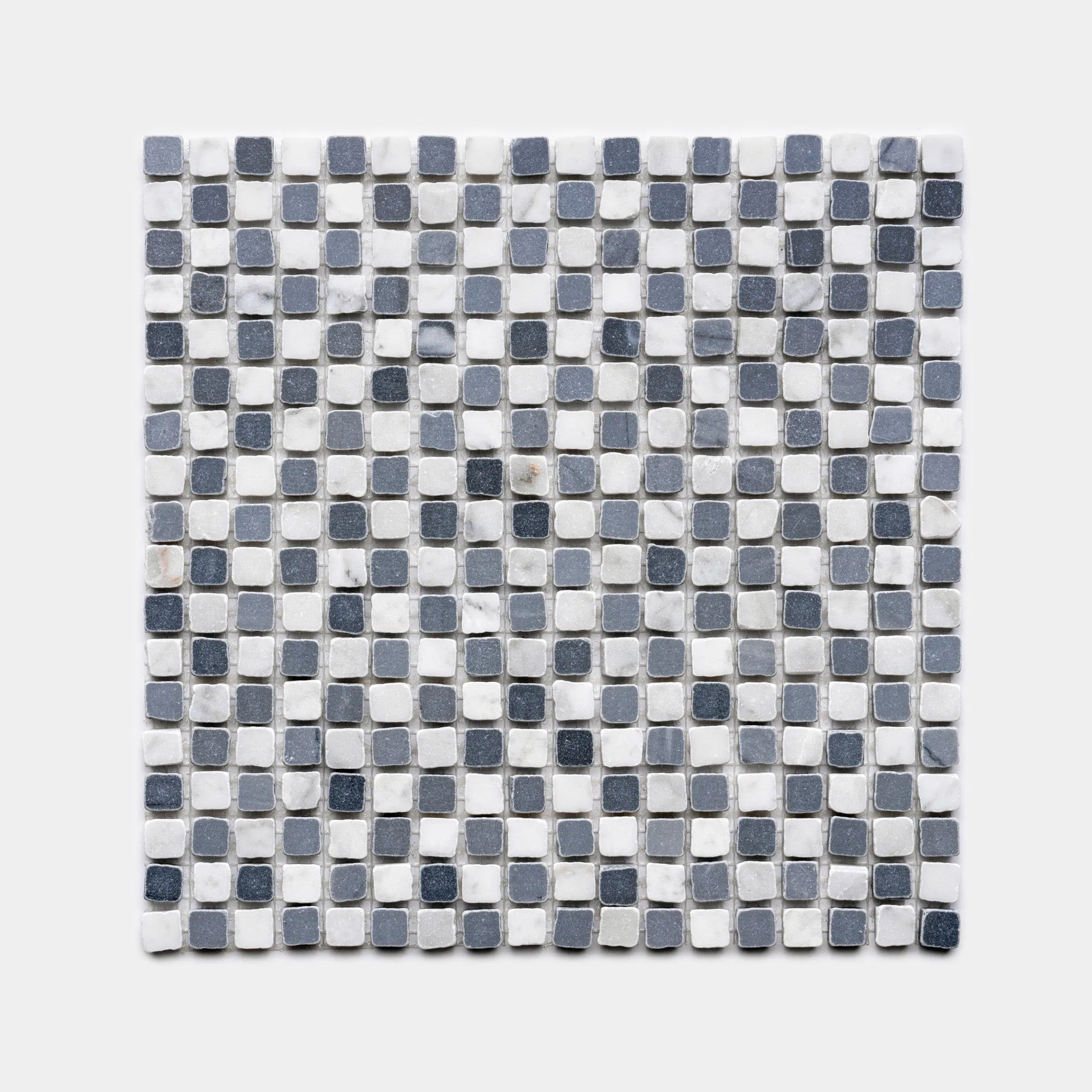
- Mini Check in Carrara + Bardiglio Imperiale: Mini Check in Carrara + Bardiglio Imperiale is an unglazed Roman mosaic in a small check pattern, pairing white and grey marble tones for floors, walls, and decorative accents. A marble option for detailed layouts where a small repeating pattern suits the room better than large-format stone.
Who Should Choose Which
Best for
- Homeowners who want the bathroom floor to carry the design, especially in powder rooms and guest baths
- Anyone drawn to veining, black-and-white contrast, or small repeating mosaic patterns
- Projects where a honed, matte marble finish fits the intended look
Not for
- Shower floors and wet rooms where maximum grip is the priority, unless you choose a textured finish
- Bathrooms where you want the floor to stay visually quiet and uniform
- Anyone unwilling to seal the stone and use pH-neutral cleaners