Quick Answer
If you want direct collagen peptides for visible skin and joint support, marine collagen is the proven choice. If you prefer a plant-based approach that supports your body's own collagen production, look for a vegan-friendly supplement with vitamin C and targeted nutrients.
marine collagen
Collagen is the most abundant protein in your body, providing structure for skin, joints, and connective tissue. As we age, natural collagen production declines, leading to fine lines and joint stiffness. Many people turn to supplements, but the choice between marine and plant-based collagen can be confusing. This guide breaks down the key differences so you can decide which fits your needs.
Marine collagen is sourced from fish skin and scales, offering type I and III collagen—the types most abundant in skin and joints. Plant-based 'collagen' doesn't contain actual collagen; instead, it provides nutrients like vitamin C and amino acids that support your body's own collagen synthesis. Understanding this distinction is crucial for setting realistic expectations.
What Is Marine Collagen?
Marine collagen is derived from fish, typically the skin and scales. It's rich in type I collagen, which is the primary structural protein in your skin, and type III, which supports blood vessels and organs. Because it's sourced from fish, it's often more sustainable and easier for the body to absorb than bovine collagen.
Clinical studies have shown that marine collagen peptides can improve skin elasticity and reduce fine lines. For example, a 12-week double-blind, placebo-controlled study found visible improvements in skin firmness and wrinkles. This makes marine collagen a go-to for those targeting skin health and joint comfort.
- Type I and III collagen for skin and joints
- High bioavailability, easily absorbed by the body
- Often comes with added vitamin C to enhance collagen synthesis
What Is Plant-Based Collagen?
Plant-based collagen supplements don't actually contain collagen—it's only found in animal sources. Instead, they provide a blend of vitamins, minerals, and amino acids that act as co-factors for your body's natural collagen production. Common ingredients include vitamin C, silica, and plant proteins.
These supplements are ideal for vegans and vegetarians, but they work differently. Rather than delivering collagen directly, they support your body's ability to make its own. This means results may take longer to appear, and the evidence base is less robust compared to marine collagen.
- Vegan-friendly alternative for ethical or dietary reasons
- Supports natural collagen synthesis, not direct replacement
- May include additional nutrients for overall wellness
Key Differences at a Glance
The main difference lies in the mechanism: marine collagen provides ready-to-use peptides, while plant-based formulas provide building blocks. This affects how quickly you might see results and the type of benefits you can expect.
Marine collagen is backed by clinical evidence for skin and joint benefits, whereas plant-based options rely on nutritional support. Your choice depends on your dietary preferences, budget, and how quickly you want to see changes.
Trade-Offs
- Direct vs. Indirect: Marine collagen delivers collagen peptides directly to your body, while plant-based supplements provide nutrients that support your body's own collagen production. If you want targeted, evidence-backed results, marine collagen is more direct.
- Speed of Results: Marine collagen can show visible skin improvements in as little as 12 weeks, while plant-based options may take longer to produce noticeable changes. For faster results, choose marine collagen.
- Dietary Preferences: Marine collagen is not suitable for vegans or those with fish allergies. Plant-based collagen is vegan-friendly and avoids animal products. If you're vegan or allergic to fish, plant-based is the better choice.
- Nutritional Profile: Marine collagen often includes vitamin C, which is essential for collagen synthesis. Plant-based formulas may include additional nutrients for overall health. Consider your overall nutrient needs when choosing.
Product Facts
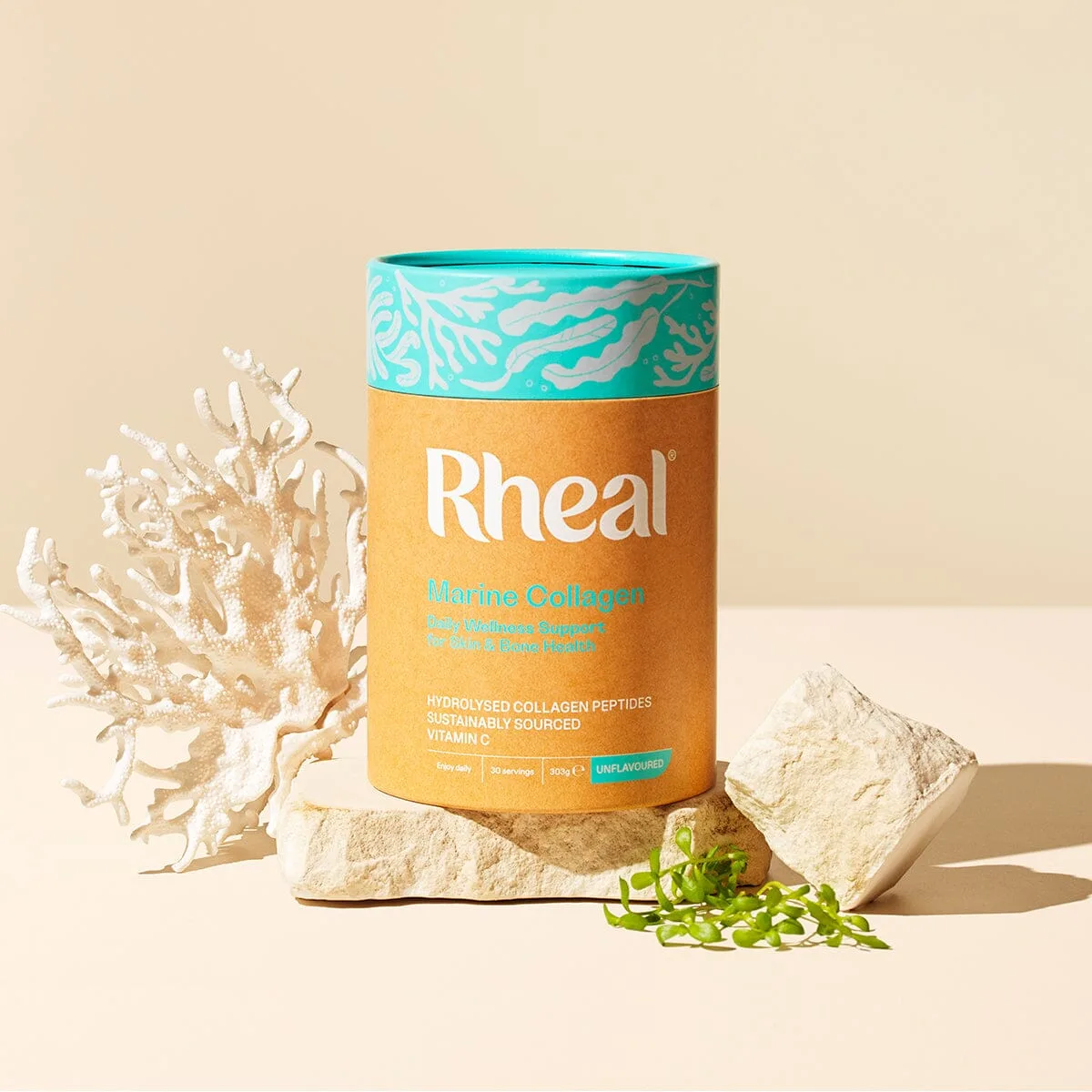
- Collagen Peptides: Visibly firmer skin and reduced fine lines - based on a 12 week double-blind, placebo-controlled clinical study. Supports skin, joints and recovery - types I + III peptides for whole-body benefits you can see & feel. Vitamin C included, on purpose - your body can't synthesise collagen without it. This marine collagen supplement provides direct type I and III collagen plus vitamin C, making it a comprehensive choice for those seeking proven skin and joint support.
- Berry Biotic: Berry Biotic is a certified organic superfood wellness shot designed to support gut health and overall wellness with clean, real ingredients. While not a plant-based collagen booster, this wellness shot supports gut health, which is foundational for nutrient absorption and overall wellness—complementing any collagen routine.
Which Should You Choose?
Best For
- People seeking clinically proven skin and joint benefits
- Those without dietary restrictions who want a direct collagen source
Not For
- Vegans and vegetarians who avoid animal products
- Individuals with fish allergies
Ultimately, the right choice depends on your dietary preferences and wellness goals. If you want a direct, evidence-backed approach to skin and joint health, marine collagen is the clear winner. If you prefer a plant-based lifestyle, a well-formulated plant-based supplement can still support your body's natural collagen production, albeit more slowly. Consider your priorities and choose accordingly.