Start with what the Marlene fabric actually is
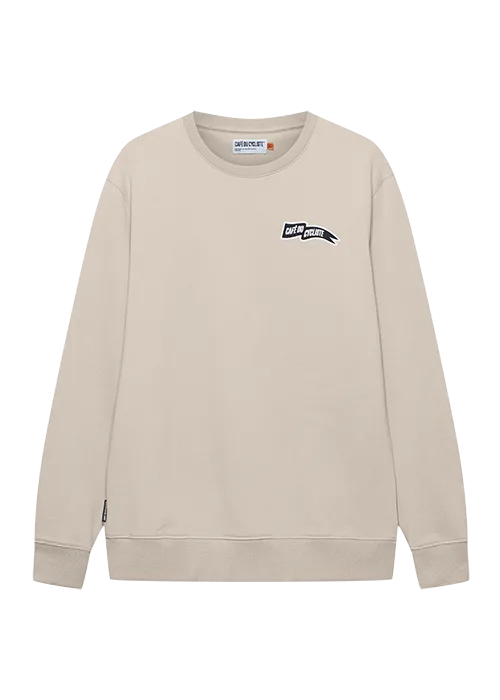
The Marlene is a classic fleece sweatshirt made from a blend of organic cotton and recycled polyester. That blend is the reason it feels soft and breathable while still holding up to regular wear, and it is also the reason your care routine should be gentle rather than aggressive.
The catalog describes a relaxed, comfortable cut intended for downtime after sport and for getting around on foot, on two wheels or however you travel. That relaxed fit is part of the appeal, so the goal of washing and drying is to keep the fleece soft and the shape intact, not to shrink it into a different garment.
The Marlene facts that guide care
-
Marlene: Classic fleece sweatshirt made from a blend of organic cotton and recycled polyester for durability and extra breathability. Cotton-polyester fleece responds well to cool, gentle washing; high heat is the main risk to softness and fit.
Marlene
-
Marlene: Relaxed, comfortable cut designed for relaxation after sport and for exploring on foot, on two wheels or however you travel. Because the fit is intentionally relaxed, protecting the original shape matters more than trying to stretch or shrink it.
How to wash the Marlene without stressing the fleece
The supplied record does not include a specific wash temperature, detergent recommendation or drying instruction, so the steps below are general best practice for organic cotton and recycled polyester fleece rather than a manufacturer's care label. Always check the label on your garment first.
- Turn it inside out and empty the pockets: Turning the sweatshirt inside out reduces surface abrasion on the fleece face, and emptying pockets prevents small items from pressing into the fabric during the cycle.
- Wash with similar colors on a gentle, cool cycle: A cool, gentle cycle is kinder to cotton-polyester fleece than a hot, heavy-duty one. Wash with similar colors and avoid overloading the drum so the garment can move freely.
- Skip harsh additives: Fabric softener and chlorine bleach can dull fleece and degrade fibers over time. A mild detergent is enough for a casual sweatshirt worn for downtime and commuting.
- Close zips and fastenings if your Marlene has them: The supplied record does not confirm whether the Marlene has a zip or other fastenings. If yours does, close them before washing to stop them snagging the fleece.
Drying the Marlene so it keeps its relaxed shape
The safest way to dry a cotton-polyester fleece sweatshirt is to lay it flat or hang it on a broad hanger away from direct heat. High heat from a tumble dryer or a radiator is the most common cause of a relaxed sweatshirt losing its intended fit, and it can also make the fleece feel stiffer.
If you use a tumble dryer, choose the lowest heat setting and remove the sweatshirt while it is still slightly damp, then lay it flat to finish. Avoid hanging a wet Marlene by the shoulders on a thin hanger for a long time, because the weight of the water can pull the knit out of shape.
Keeping the shape between washes
Shape retention is mostly about how you store and handle the sweatshirt, not just how you wash it.
- Fold rather than hang for long storage: Folding a relaxed fleece sweatshirt keeps the shoulders and body from stretching under their own weight. If you hang it, use a wide, padded hanger for short periods.
- Let it air after wear: A casual sweatshirt worn for commuting or after sport benefits from airing before it goes back in the drawer. This reduces how often you need to wash it, which is good for both the fabric and the shape.
- Treat marks promptly: Blot spills with a clean cloth rather than rubbing, and spot-clean when possible. The supplied record does not include specific stain-removal instructions, so test any spot treatment on an inside seam first.
What the supplied information does not settle
The Marlene record confirms the fabric blend, the relaxed cut and the intended use, but it does not include a care label, a wash temperature, a drying method or ironing guidance. That means the advice above is a careful default for this type of fleece, not a set of manufacturer instructions. Check the label sewn into your sweatshirt and follow it where it differs.
Sizing is confirmed from XXS through XXL, but the record does not give garment measurements or a shrink rate, so there is no reliable basis for predicting how much the sweatshirt might change after a hot wash. Treat cool washing and low-heat drying as the way to avoid that question altogether.