Quick answer
To fit a martingale collar, measure your dog's head at its widest point and add 2 inches for the slip-on size, then adjust the collar so it tightens enough to prevent backing out but never chokes. With the collar on and the leash attached, the two loops should nearly touch when pulled snug, and you should be able to fit two fingers under the snugged collar.
Measure your dog's head, not just the neck
A martingale collar must slip over your dog's head, so the critical measurement is head circumference at the widest point—usually around the ears and jaw. Use a soft tape measure or a piece of string, and record the number. If your dog is between sizes, choose the larger size and adjust the slider for a snug fit. This step is often skipped, leading to a collar that won't go on or one that's too loose to be effective.
Set the collar's adjustment for a safe fit
Put the collar on your dog and attach the leash. Pull gently on the leash to simulate your dog backing up. The two loops of the martingale should come close together but not overlap; if they touch, the collar is too loose and your dog could slip out. If they overlap, it's too tight and may choke. Adjust the slider until the loops nearly touch. You should be able to fit two fingers between the snugged collar and your dog's neck. Check this fit regularly, especially after your dog has been pulling.
Test the fit with a real-world check
With the collar properly adjusted, take your dog for a short walk in a safe area. Watch for signs of discomfort: coughing, gagging, or excessive pulling. A well-fitted martingale should tighten only when your dog pulls backward, not during normal walking. If your dog can back out of the collar, it's too loose; if they cough, it's too tight. Make small adjustments and retest. For dogs with thick coats or a head narrower than the neck, consider a martingale with a larger size range, like the Desert Paws Red Martingale, which uses premium nylon webbing and securely sewn seams for durability.
Step-by-step fitting process
- Measure head circumference: Wrap a soft tape measure around the widest part of your dog's head, just behind the ears and under the jaw. Record the measurement. Common mistake: measuring only the neck. The collar must fit over the head.
- Choose the right size: Compare your measurement to the collar's size chart. If between sizes, size up. For example, the Desert Paws Red Martingale comes in multiple collar sizes. Checkpoint: the collar should slide on easily over the head without being forced.
- Adjust the slider for a snug fit: Put the collar on and attach the leash. Pull the leash to tighten the collar. The two loops should almost touch. Adjust the slider until this happens. Common mistake: leaving the collar too loose, which allows escape. Too tight can choke.
- Check the two-finger rule: With the collar snugged, you should be able to fit two fingers between the collar and your dog's neck. If you can't, loosen it slightly. Checkpoint: if the collar doesn't tighten at all when pulled, it's too loose.
- Test on a walk: Take your dog for a short walk in a safe area. Watch for coughing, gagging, or slipping out. Adjust as needed. Next step: recheck the fit monthly, especially if your dog's weight changes.
Product facts
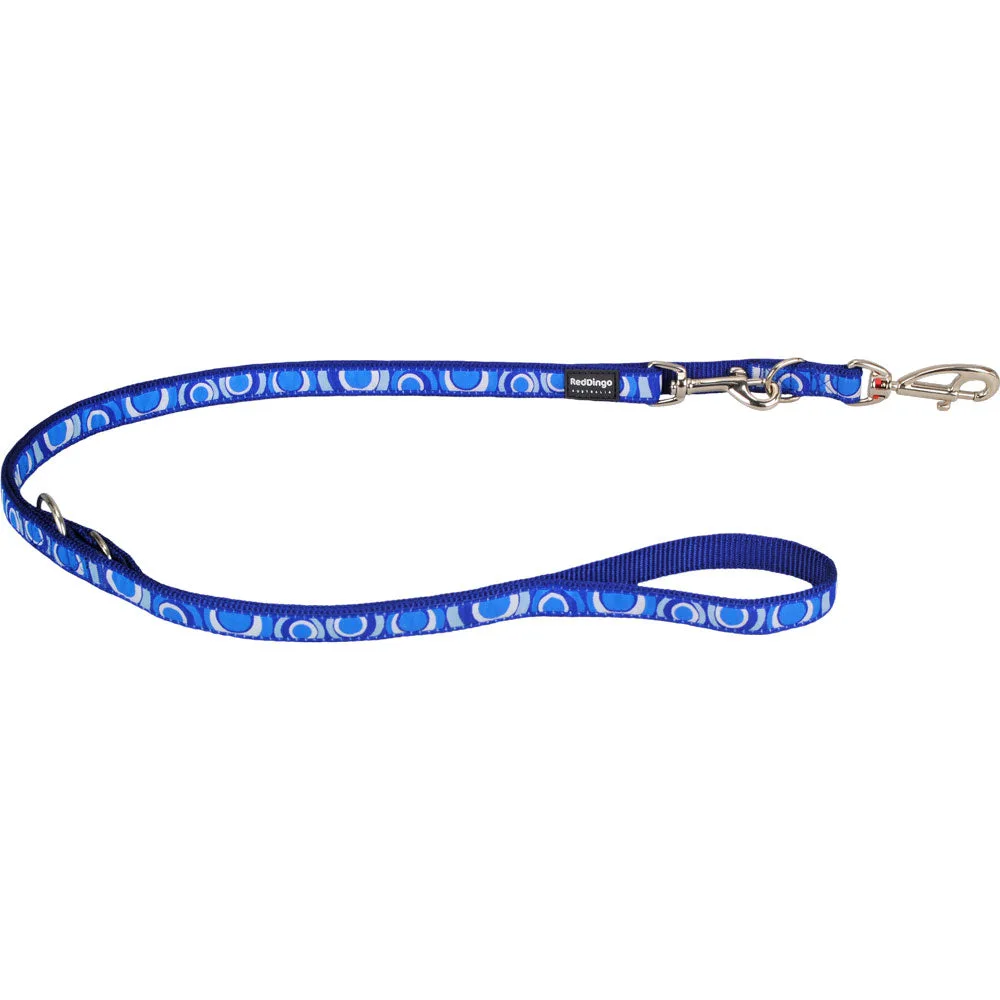
- Desert Paws Red Martingale: Red Dingo Martingale Collar tightens to give greater control and reduces the risk of a dog backing out of his collar and escaping. Safer than a choke collar. This design makes it a good choice for dogs who tend to slip out of standard collars, but proper sizing is essential for it to work safely.