The real difference is spice versus pure tea character
Both teas in this comparison are built for milk, but they get there differently. Masala Chai is a blend of strong Assam CTC and aromatic Indian spices. Assam Second Flush Chai is a single-origin style tea described as full-bodied, malty, and brisk, with no spice blend listed.
That one distinction drives almost every other choice: whether you want the cup defined by cardamom, ginger, clove, and black pepper, or by the tea leaf itself. Everything below follows from that.
What each tea actually contains
-
Masala Chai: Ingredients: Cardamom, Ginger, Clove, Black Pepper, CTC Tea The spice list is short and specific, so you can predict the cup before you buy — and spot whether a spice you dislike is present.
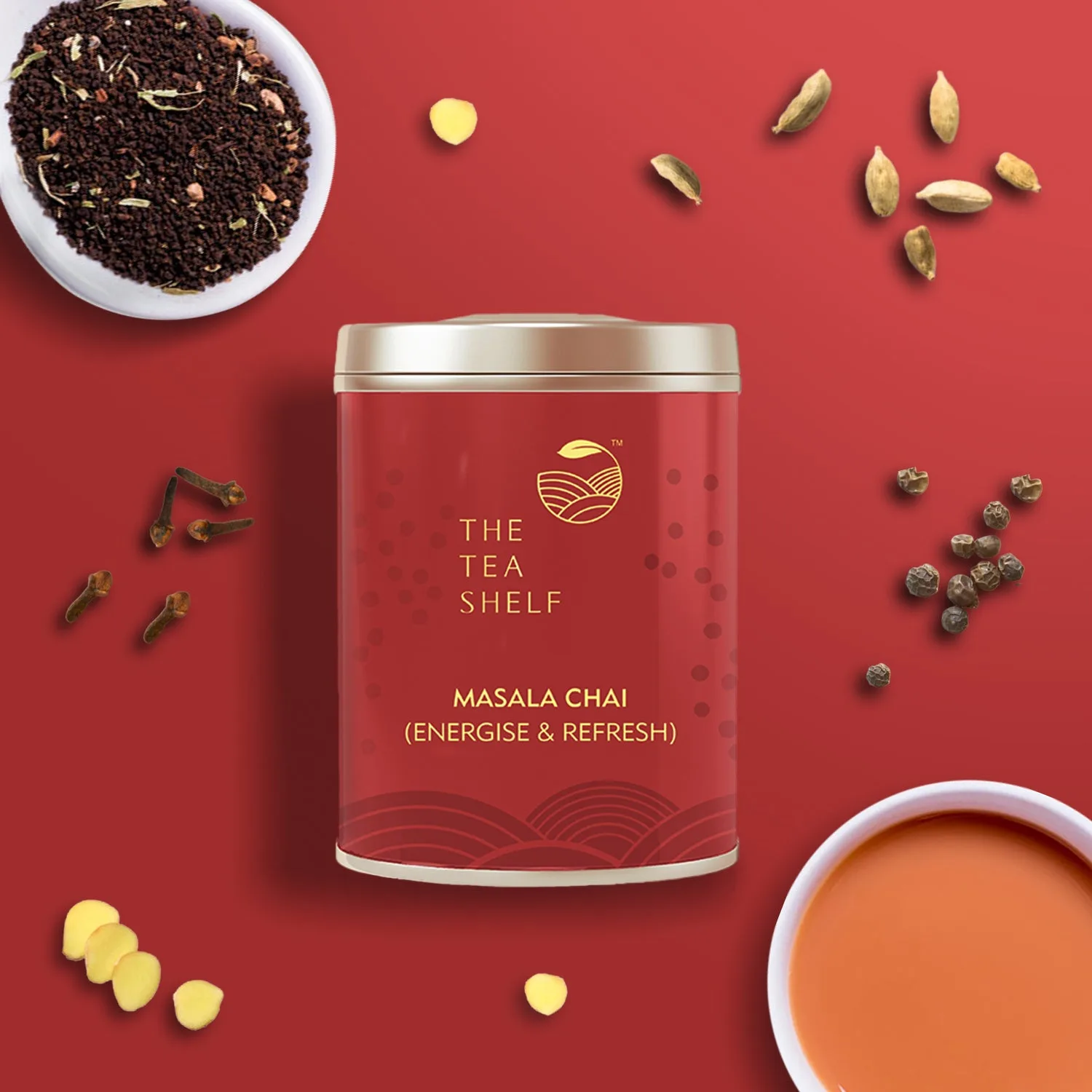
Masala Chai
-
Assam Second Flush Chai: Described as a full-bodied tea with golden-crimson hues and rich malty flavours This tells you the character comes from the tea rather than added spices, which is the core of the comparison.
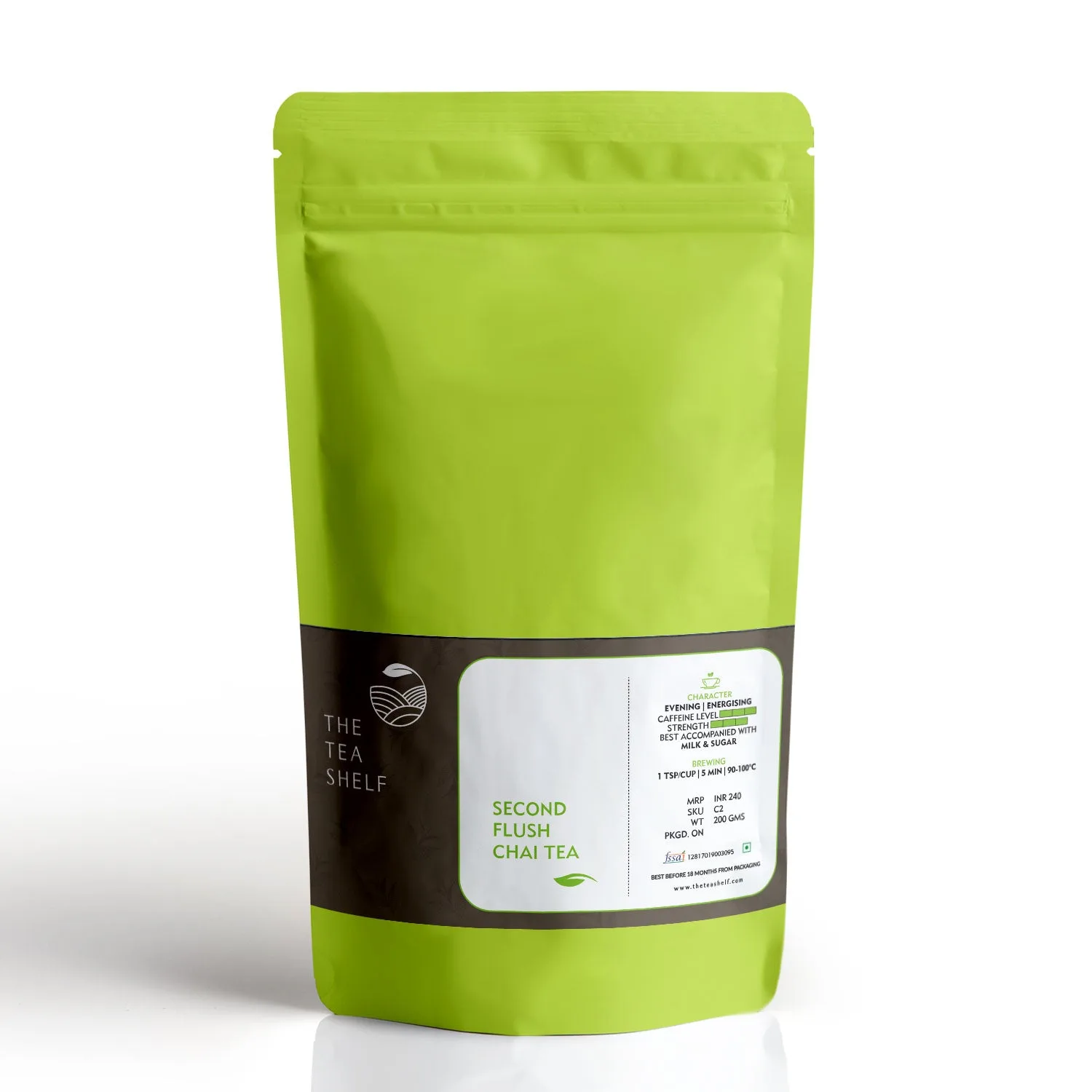
Assam Second Flush Chai
Taste and strength side by side
Neither record supplies a numeric strength rating, so judge by description rather than a scale.
- Flavour direction: Masala Chai lists tasting notes of deep orange with a peppery finish and a cardamom finish. Assam Second Flush Chai is described as brisk and rich with malty flavours.
- Spice presence: Masala Chai carries four named spices. The Assam record lists no spices, so the cup reads as tea-forward.
- Body: The Assam record explicitly calls the tea full-bodied. Masala Chai is described as bold, built on Assam CTC.
- Milk and sugar: The Assam record states the tea pairs impeccably with milk and sugar. Masala Chai is presented as a blend designed to brew a bold cup, though the record does not spell out a milk instruction.
Brewing guidance: what is printed and what is not
- Masala Chai: Brewing instructions: 1 TSP/CUP | 3-5 MINS | 195-210°C This is the only measured brewing guidance in the two records, so it is your starting point for the spiced blend. Follow the printed ratio and range rather than guessing.
- Assam Second Flush Chai: No measured brewing ratio, time, or temperature appears in the supplied record For the Assam, the catalog does not confirm a specific steep time or water temperature. Treat any figure you see elsewhere as unverified for this product.
Masala chai brewing tips that follow from the label
Start with the printed 1 TSP/CUP ratio and stay inside the stated 195-210°C range and 3-5 MINS window. Because the blend contains CTC tea plus ground spices, both the leaf and the spice release flavour into the water, so the printed window matters more than it would for a plain leaf tea.
If you drink chai with milk, brew the tea first at the printed strength and add milk afterward rather than diluting the steep. The record does not give a milk quantity, so adjust to taste instead of treating any ratio as official.
The 195-210°C figure is a water temperature, not a stovetop simmer instruction. The record does not describe a boiled-milk method, so do not assume one is endorsed.
Where Assam Second Flush fits
If you want a cup where malt and briskness lead, the Assam is the more direct choice. Its record emphasises bold aroma and rich flavour and names milk and sugar as ideal partners — the profile many people mean by a strong milk tea.
What the record does not give you is a brew formula. Without a printed ratio, time, or temperature, you are working from taste rather than a manufacturer figure. That is a limitation of the supplied information, not a sign the tea is hard to brew; it simply means you should taste as you go and settle on your own repeatable method.
Choosing by your morning routine
- You want spice in every sip: Choose Masala Chai. Cardamom, ginger, clove, and black pepper are already in the blend, so there is nothing to add.
- You want the tea, not the spice shelf: Choose Assam Second Flush Chai for a malty, full-bodied cup with no spice blend listed.
- You want printed brewing numbers: Masala Chai is the only one of the two with a stated ratio, time, and temperature in the supplied records.
- You are buying for a household: Masala Chai comes in 50gm (20 servings), 100gm (40 servings), and 250gm (60 servings) pouches. Assam Second Flush Chai is listed in a 200g / 7.0oz / 80cups option, also available without gift wrap.
Health wording: read it carefully
The Masala Chai record lists health benefits including boosts energy, helps to relax and de-stress, and boosts immunity. These are the catalog's own claims, not clinical findings, and they are not a reason to use tea in place of medical care. If you have a health condition, are pregnant, or take medication, ask a qualified professional before relying on any tea for a health effect.
The Assam Second Flush record makes no health claims at all. Its stated appeal is flavour and aroma, which is a simpler basis for choosing it.
A practical way to decide
Pick Masala Chai if you want a spiced cup, printed brewing guidance you can follow, and a choice of three pouch sizes. Pick Assam Second Flush Chai if you want an unspiced, malty, full-bodied tea for milk and are comfortable setting your own steep by taste.
Many chai drinkers keep both: the spiced blend for mornings that need cardamom and pepper, the Assam for days when the leaf should speak for itself.