Quick Answer
To win at Masterpiece, focus on acquiring high-value artworks at low prices and be willing to bluff—but never overpay for a painting you can't verify.
Know the Value of Secrecy
In Masterpiece, only the owner of a painting can look at its face-down Value Card. That hidden information is your biggest advantage. Use it to decide whether to keep bidding or fold, and to bluff opponents into overpaying for a fake.
The game rewards patience and calculated risk. Don't be the first to bid high on a mystery painting—let others reveal their interest first.
The Auction Phase: When to Bid and When to Pass
Auctions are the heart of Masterpiece. A common mistake is treating every auction as a must-win. Instead, evaluate the current board position: if you already have a strong collection, you can afford to pass on risky lots.
Remember, a fake painting can ruin your collection's value. If you suspect a bluff, let someone else take the risk.
Step-by-Step Winning Strategy
- 1. Learn the Value Cards: Familiarize yourself with the range of values in the deck. Knowing the possible outcomes helps you estimate whether a bid is reasonable. Checkpoint: Can you name the highest and lowest possible values?
- 2. Bid Conservatively Early: In the first few rounds, avoid bidding high on unknown paintings. Let other players establish the pace and reveal their confidence. Checkpoint: Are you spending less than your opponents in the opening rounds?
- 3. Bluff When You Own a Painting: If you own a painting, you have the right to look at its value. Use that knowledge to either bid confidently on a high-value piece or pretend a fake is valuable to trick others. Checkpoint: Are you using your hidden information to mislead opponents?
- 4. Prioritize High-Value, Low-Cost Deals: The goal is to build the most valuable collection, not to win every auction. Look for paintings that cost less than their likely value, and pass on overpriced lots. Checkpoint: Is each purchase likely to increase your collection's total value?
- 5. Watch for Bluffs: If a player suddenly bids high on a painting they own, they might be bluffing to inflate its value. Don't fall for it—let them overpay if they're wrong. Checkpoint: Are you treating every high bid as genuine?
- 6. Endgame: Sell or Keep?: In the final rounds, decide whether to keep your paintings or sell them. Selling can secure cash, but keeping high-value pieces can win you the game. Weigh the risk. Checkpoint: Have you calculated the final value of your collection?
Product Spotlight
-
MASTERPIECE GAME: In Masterpiece, when a masterpiece is purchased, only its owner may look at its face-down Value Card, keeping its true value secret from other players. This secrecy lets you bluff about a painting's worth, so you can drive up prices for opponents or hide a fake in your own collection.
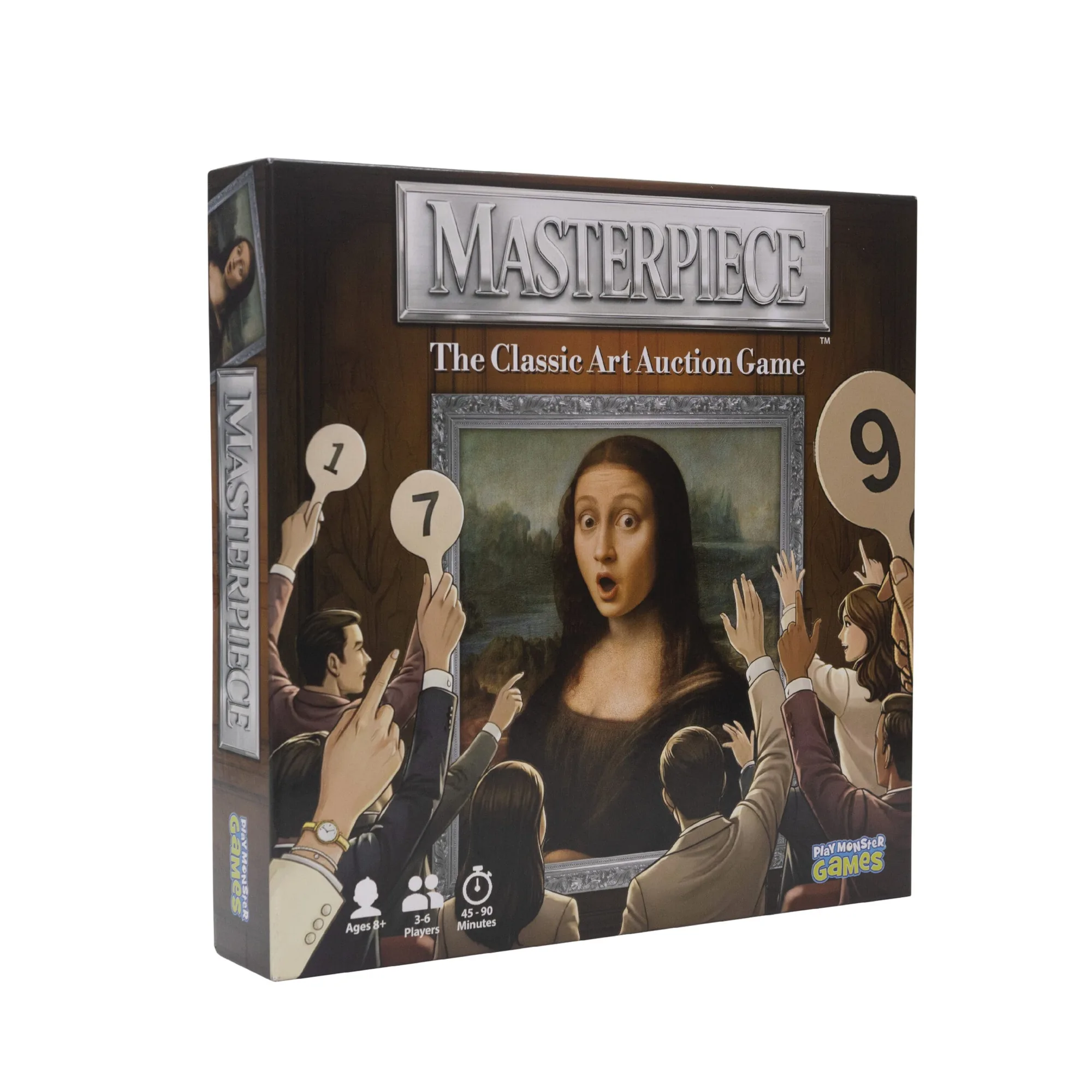
MASTERPIECE GAME