If you have ever browsed the matcha aisle or scrolled through a tea shop online, you have likely come across terms like 'ceremonial grade,' 'culinary grade,' and 'everyday matcha.' But what do these labels actually mean, and how do they affect the taste, color, and best use of your matcha? Understanding matcha grades is the key to choosing the right powder for your daily latte, baking project, or traditional tea ceremony.
In this guide, we break down the three main matcha grades, explain the factors that determine quality, and help you decide which one belongs in your pantry. Whether you are a matcha newbie or a seasoned enthusiast, knowing the differences will elevate your tea experience and help you get the most value from every scoop.
What Determines Matcha Grade?
Matcha grade is not an official, regulated classification, but rather a general industry shorthand that reflects the quality, harvest time, and processing method of the tea leaves. The highest grades come from the first harvest (first flush) of shade-grown tea plants, where the youngest, tender leaves are hand-picked, steamed, and stone-ground into a fine powder. These leaves have a vibrant green color, a naturally sweet and umami-rich flavor, and a smooth texture that dissolves easily in water.
Lower grades are typically made from later harvests or older leaves, which contain more fiber and a slightly bitter or astringent taste. The leaves may also be processed with less care, resulting in a duller green or yellowish powder. The grade directly influences the matcha's best use: high-grade matcha is meant to be enjoyed on its own, while lower-grade matcha is better suited for mixing with milk, sweeteners, or other ingredients.
- Harvest time: First flush yields the highest quality; later harvests yield more robust, slightly bitter leaves.
- Leaf age: Young, tender leaves have more chlorophyll and L-theanine, giving a sweet, creamy taste.
- Processing: Stone-grinding preserves flavor and color; industrial milling can generate heat and degrade quality.
Ceremonial Matcha: The Gold Standard
Ceremonial matcha is the highest grade available, traditionally used in Japanese tea ceremonies and for drinking straight (usucha or koicha). It is made exclusively from the youngest, shade-grown leaves of the first harvest, which are carefully selected, deveined, and stone-ground to a fine, silky powder. The result is a brilliant, vivid green color and a flavor profile that is naturally sweet, creamy, and umami-rich, with no bitterness or astringency.
Because of its superior quality, ceremonial matcha is best enjoyed whisked with hot water alone, without milk or sweeteners. It is also the most expensive grade, reflecting the labor-intensive production and limited quantity. If you want to experience matcha in its purest form, ceremonial grade is the way to go. For a delightful ceremonial-style option, explore our Cinnamon Bun Matcha, which blends high-quality matcha with warm cinnamon notes for a unique twist on tradition.
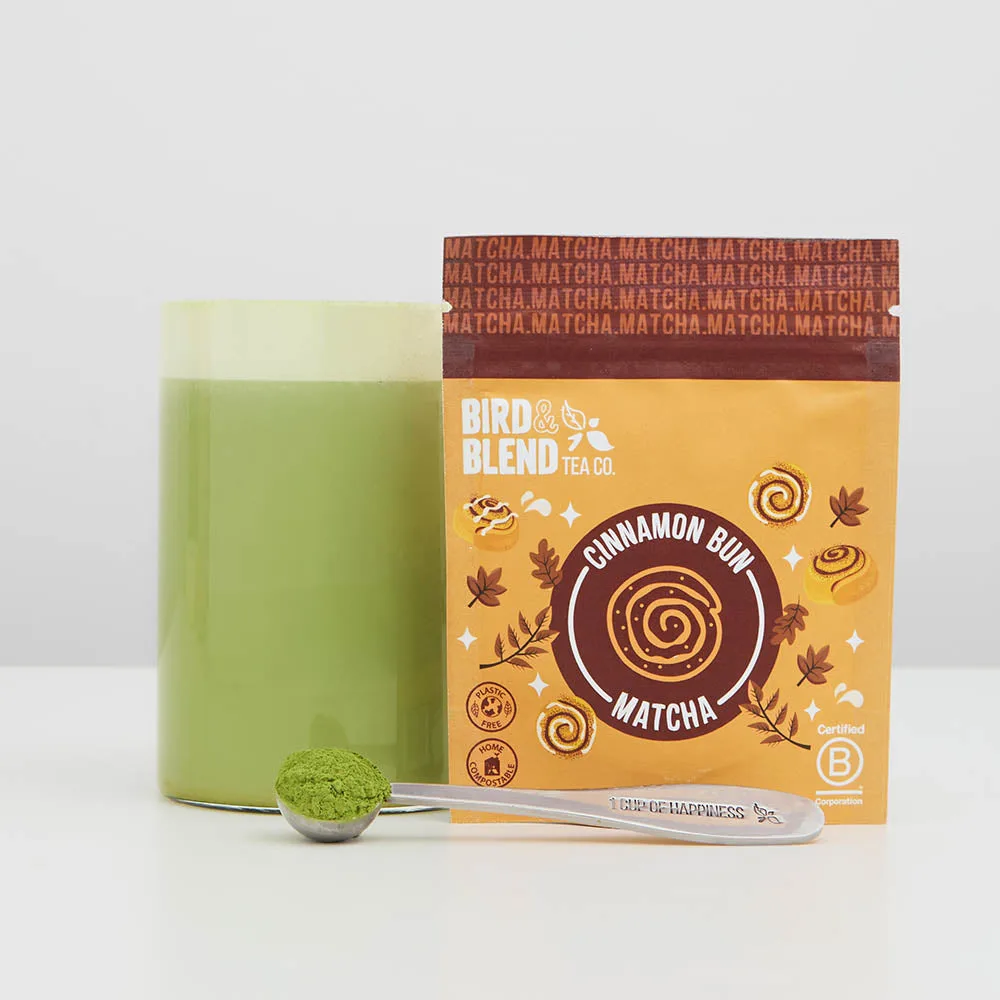
Cinnamon Bun Matcha
- Best for: Traditional tea ceremonies, straight drinking, or high-end lattes with water only.
- Flavor: Sweet, creamy, umami, no bitterness.
- Price: Highest; expect to pay a premium for genuine first-harvest stone-ground matcha.
Culinary Matcha: For Baking and Cooking
Culinary matcha is a lower grade, made from later harvest leaves that are more robust and slightly more bitter. It is specifically designed to hold up against strong flavors like sugar, milk, chocolate, and butter, making it ideal for baking, smoothies, and cooking. Because the bitterness is masked by other ingredients, culinary matcha offers a more affordable way to add matcha flavor to recipes without sacrificing taste.
When using culinary matcha, you can expect a less vibrant green color and a slightly grassy or astringent note when tasted alone. However, in baked goods, lattes, or ice cream, it performs beautifully. It is also commonly used in matcha lattes at cafes, where milk and sweetener balance the flavor. For a ready-made treat that captures the essence of culinary matcha, try our Toasted Marshmallow Matcha, which combines matcha with a cozy, sweet twist perfect for lattes and desserts.
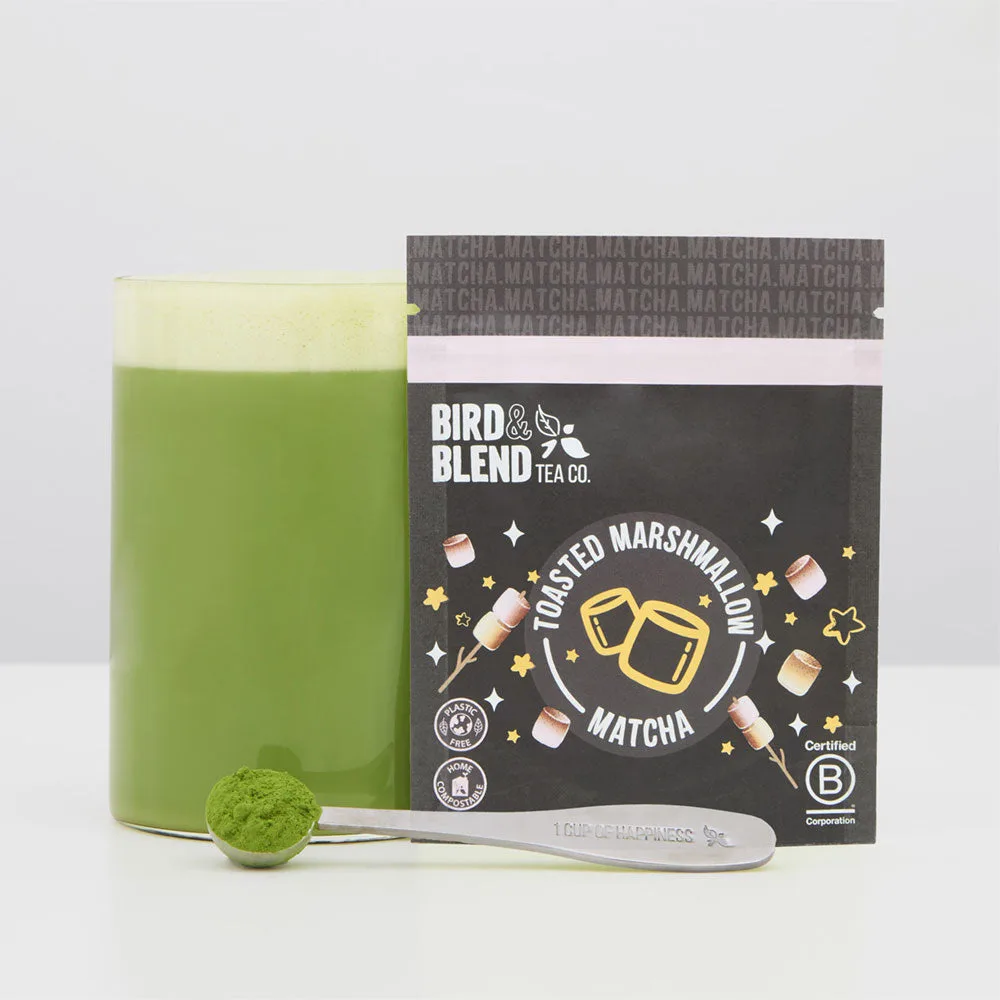
Toasted Marshmallow Matcha
- Best for: Lattes, smoothies, baking (cookies, cakes, muffins), and cooking (sauces, noodles).
- Flavor: Robust, slightly bitter, grassy; works well with sweet or creamy additions.
- Price: More affordable; great for everyday use in recipes.
Everyday Matcha: The Versatile Middle Ground
Everyday matcha, sometimes called 'premium' or 'cafe grade,' sits between ceremonial and culinary grades. It is typically made from a blend of first and second harvest leaves, offering a balance of quality and affordability. Everyday matcha has a pleasant green color, a mild umami flavor, and only a hint of bitterness, making it suitable for both drinking straight and mixing into lattes or smoothies.
This grade is perfect for those who enjoy matcha regularly but do not want to splurge on ceremonial grade every time. It is also a great choice for matcha lattes at home, as it dissolves well and produces a creamy, satisfying drink without being too expensive. If you are new to matcha, everyday grade is an excellent starting point to explore the flavor before committing to a higher grade.
- Best for: Daily lattes, iced matcha, casual drinking, or as a step up from culinary grade.
- Flavor: Balanced – some sweetness and umami with mild bitterness.
- Price: Mid-range; offers good value for regular use.
How to Choose the Right Matcha for You
Choosing the right matcha grade depends entirely on how you plan to use it. If you want to experience the pure, ceremonial tradition of whisking matcha with hot water and savoring its complex flavor, invest in a high-quality ceremonial matcha like our Cinnamon Bun Matcha. If you love baking matcha cookies, making matcha pancakes, or blending it into smoothies, culinary matcha will serve you well without breaking the bank.
For everyday lattes and casual sipping, everyday matcha is the sweet spot. It offers enough quality to enjoy on its own but is affordable enough to use liberally. No matter which grade you choose, always look for vibrant green color, a fine powder texture, and a fresh, grassy aroma. Avoid dull, brownish, or overly bitter matcha, as these are signs of poor quality or old stock.
- Ceremonial: Straight drinking, tea ceremonies, pure matcha experience.
- Everyday: Lattes, iced drinks, daily use, good balance of quality and price.
- Culinary: Baking, cooking, smoothies, recipes where matcha is an ingredient.
Now that you understand the differences between ceremonial, culinary, and everyday matcha, you can confidently choose the right grade for your next cup, recipe, or gift. Whether you are whisking a traditional bowl of high-grade matcha or blending a creamy latte at home, quality matters. Explore our selection of premium matcha powders, including our Cinnamon Bun Matcha and Toasted Marshmallow Matcha, to find your perfect match.