The core difference: protein vs. collagen
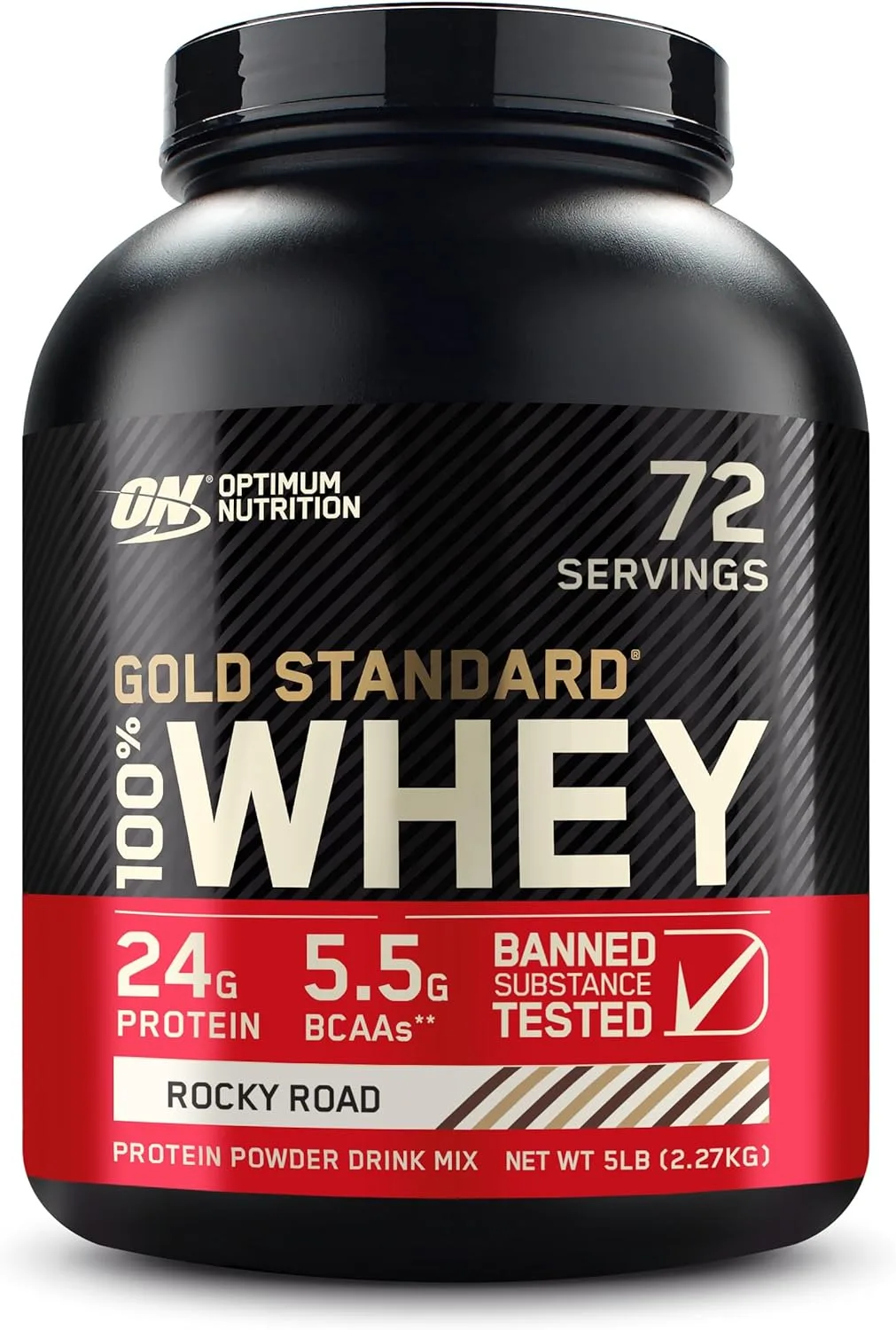
Matcha protein powder and matcha collagen are not interchangeable. Protein powders are formulated to deliver a meaningful dose of complete protein—typically 15–25g per serving—to support daily protein intake, satiety, and muscle maintenance. Collagen powders supply collagen peptides, which are not a complete protein and are not intended to replace dietary protein. The choice depends on whether your priority is hitting a protein target or adding collagen to your routine.
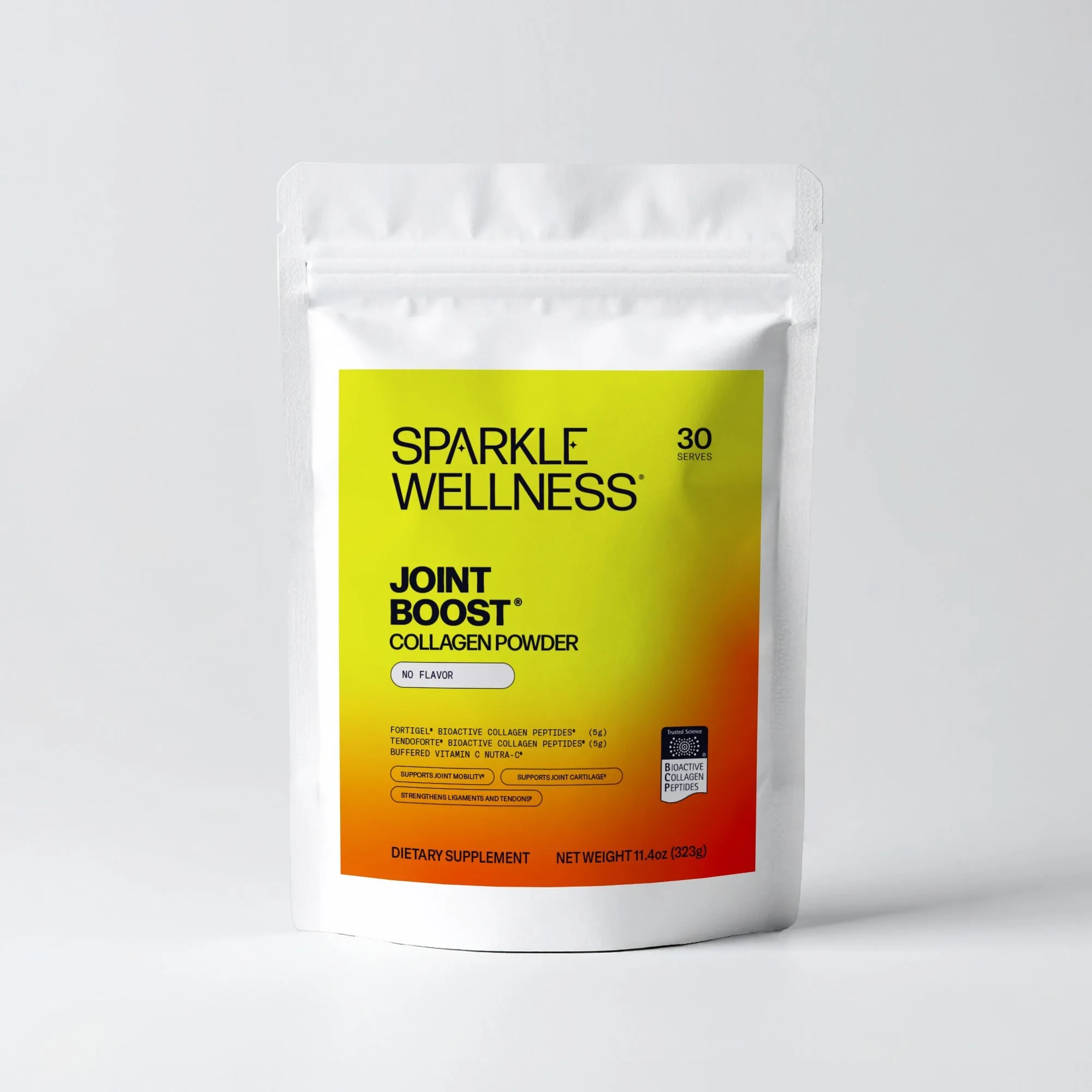
Matcha collagen products combine collagen with matcha for a drink that may support skin, hair, and nails—though collagen's evidence for these benefits is mixed and largely based on small studies. Matcha protein powders combine matcha with a protein blend to help you meet protein needs while enjoying the taste of matcha. Neither is a magic bullet; both are tools to fit into an overall diet.
Protein content and completeness
If your goal is to increase protein intake, a product that clearly states its protein content and source is essential. Collagen peptides are low in tryptophan and therefore not a complete protein; they cannot replace the protein from foods like eggs, dairy, or legumes. Protein powders made from whey, pea, or milk protein are complete and provide all essential amino acids.
For example, Free Soul x PerfectTed Matcha Protein Powder supplies 18g of complete protein per serving from a blend of whey, pea, and milk protein isolates. That makes it a practical way to add protein to your morning matcha ritual. Collagen products, by contrast, typically list collagen peptides as the primary ingredient without a comparable protein claim.
What the matcha protein powder actually provides
-
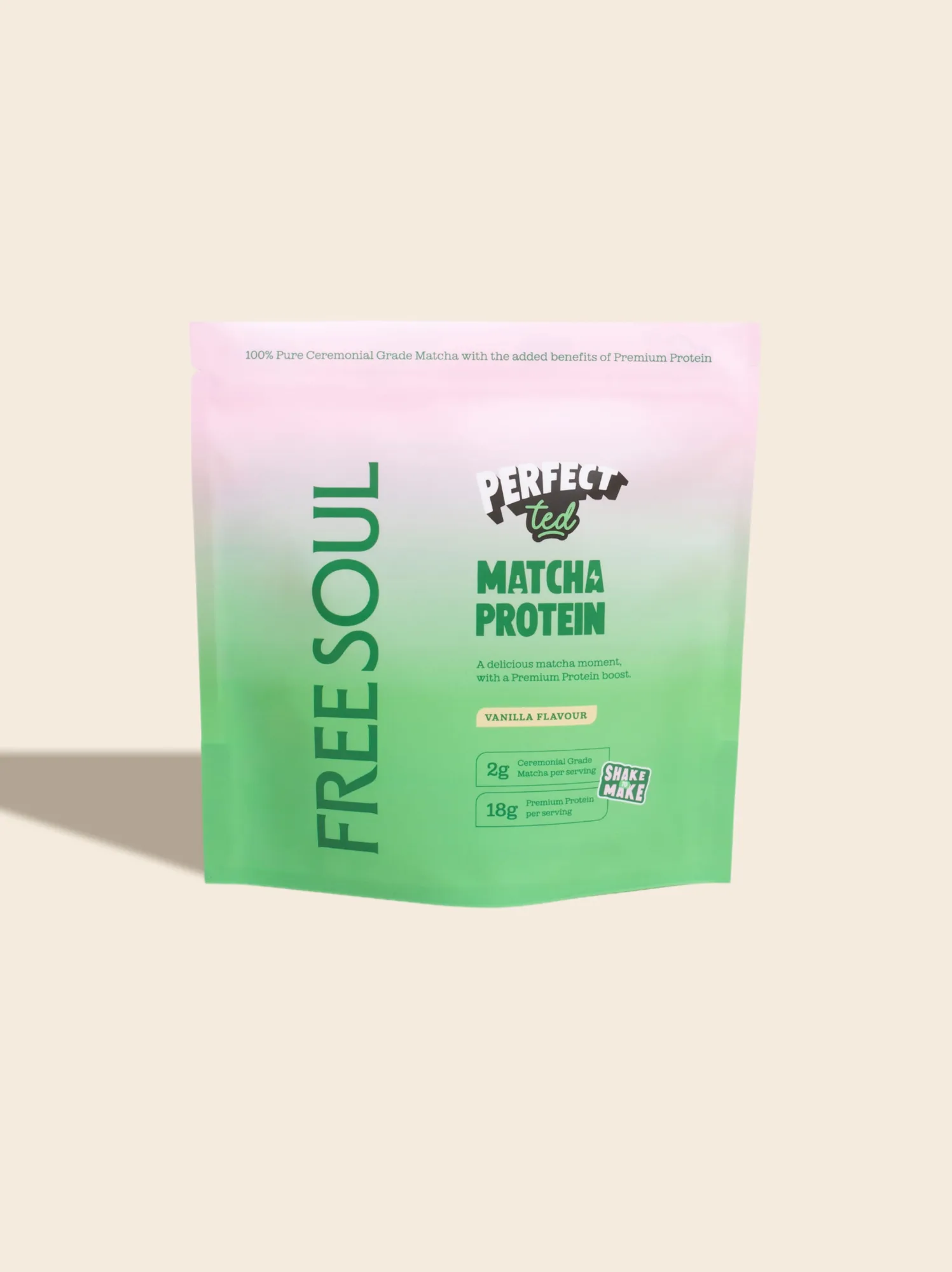
Free Soul x PerfectTed Matcha Protein Powder: 18g of complete protein per serving from a blend of whey, pea, and milk protein isolates. This is the key differentiator if you need a protein source rather than a collagen supplement.
Free Soul x PerfectTed Matcha Protein Powder
-
Free Soul x PerfectTed Matcha Protein Powder: 2g of Ceremonial Grade Matcha per serving, providing approximately 64mg of caffeine—about a third of a standard coffee. Gives you a gentle lift without the jitters, and explains why this is a matcha drink first, not just a protein shake.
-
Free Soul x PerfectTed Matcha Protein Powder: Includes DigeZyme® digestive enzymes to support digestion and reduce bloating. Addresses a common complaint about protein powders, making it easier to drink daily.
-
Free Soul x PerfectTed Matcha Protein Powder: Mixes smoothly with water or milk—no blender needed—and is designed to be enjoyed iced. Fits a busy routine and delivers a café-style drink without extra equipment.
Side-by-side: matcha protein powder vs. matcha collagen
- Protein per serving: Matcha protein powder: typically 15–20g complete protein (e.g., 18g in Free Soul x PerfectTed). Matcha collagen: usually little to no complete protein; collagen peptides are not a complete protein.
- Primary goal: Matcha protein powder: support daily protein intake, satiety, and muscle maintenance. Matcha collagen: add collagen to your routine, often for skin, hair, and nail support (evidence is limited).
- Matcha content: Both contain matcha, but check the amount and grade. Free Soul x PerfectTed includes 2g Ceremonial Grade Matcha per serving; collagen products vary widely.
- Caffeine: Matcha naturally contains caffeine. Free Soul x PerfectTed provides about 64mg per serving—roughly a third of a coffee. Check collagen labels if you are sensitive to caffeine.
- Digestive support: Some protein powders include enzymes like DigeZyme® to reduce bloating. Collagen products may not include digestive enzymes unless stated.
- Best for: Matcha protein powder: if you want to increase protein intake without extra shakes. Matcha collagen: if your protein needs are already met and you specifically want collagen.
Which one fits your goal?
Choose a matcha protein powder if you struggle to meet your daily protein needs, want a more filling morning drink, or are looking for a post-workout option that tastes like matcha. The 18g of complete protein in Free Soul x PerfectTed Matcha Protein Powder makes a meaningful contribution toward typical daily targets for women (often around 1.2–1.6g per kg of body weight, though individual needs vary).
Choose a matcha collagen if you already eat enough protein and are specifically interested in collagen for skin or joint support—and you understand that the evidence for collagen's benefits is not definitive. Collagen is not a substitute for protein in your diet. If you are unsure which you need, track your protein intake for a few days; if you fall short, protein powder is the more practical choice.
What to check before you buy either
Read the ingredient list and nutrition panel. For protein powders, confirm the protein source and amount per serving, and check for added sugars or artificial sweeteners if you avoid them. For collagen, look for the collagen type (I, II, or III) and whether the product includes other ingredients like vitamin C, which may support collagen synthesis. Also consider caffeine content if you are sensitive, and whether the product mixes easily without a blender—a detail that affects daily use.
Free Soul x PerfectTed Matcha Protein Powder is one option that clearly lists its protein content, matcha grade, and digestive enzymes. It is not a collagen supplement and is not intended to treat any condition. If you have specific health concerns or are pregnant, consult a healthcare professional before adding any supplement.