If you've ever whisked matcha only to end up with stubborn clumps floating in your bowl, you're not alone. The culprit is simple: matcha powder is incredibly fine, and without proper preparation, it tends to form tiny lumps that resist even the most vigorous whisking. The solution? A humble matcha sieve. Sifting your matcha before whisking is a small step that makes a massive difference in texture, flavor, and overall enjoyment.
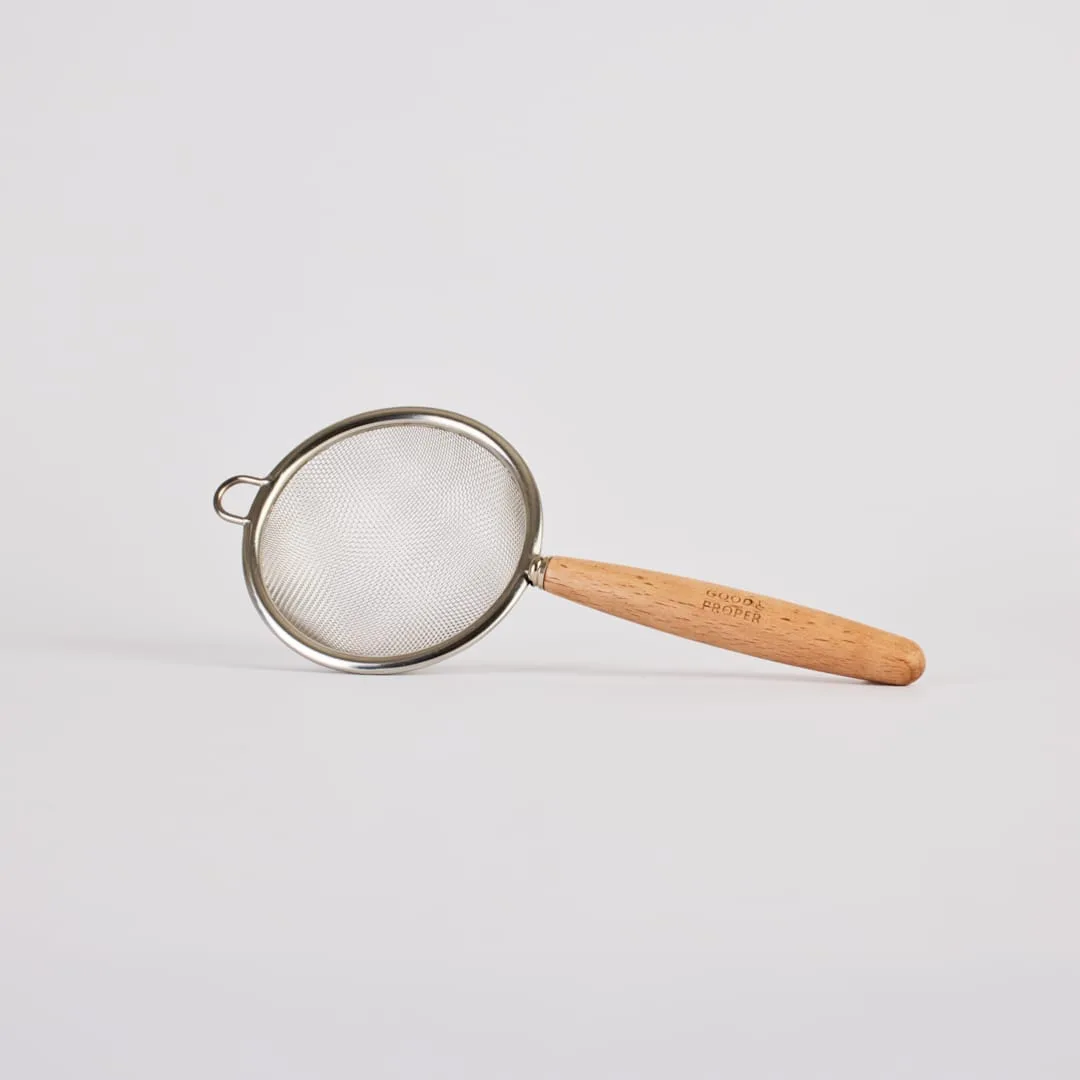
matcha sieve
In this guide, we'll explore why sifting is crucial for a smooth cup of matcha, how to do it correctly, and which tools work best. Whether you're a matcha newbie or a seasoned enthusiast, mastering the sifting technique will elevate your daily ritual.
Why Sifting Matcha Matters
Matcha is stone-ground into an ultra-fine powder, but during storage and handling, the particles can stick together due to moisture, static, or simple compression. When these clumps hit hot water, they form dry pockets that refuse to dissolve, leaving you with a grainy, uneven drink. Sifting breaks apart these clumps before they ever reach your bowl, ensuring every sip is silky smooth.
Beyond texture, sifting also aerates the powder, which helps it disperse more evenly when whisking. This leads to a thicker, creamier foam—the hallmark of well-prepared matcha. Additionally, sifting can help you spot any impurities or larger particles that might have crept in, guaranteeing a pure, high-quality experience.
- Prevents unsightly clumps that ruin the drinking experience
- Creates a smoother, more consistent foam when whisking
- Aerates the powder for better flavor release and texture
How to Sift Matcha Correctly
Start with a fine-mesh sieve—ideally one designed specifically for matcha, with a mesh size around 40 to 60 threads per inch. Place the sieve over a clean, dry bowl or your matcha bowl itself. Use a teaspoon to scoop a small amount of matcha powder (about 1 to 2 grams, or half a teaspoon) into the sieve.
Gently tap the side of the sieve with your hand or a spoon to encourage the powder to fall through. Avoid pressing or forcing the powder through the mesh, as this can create clumps instead of breaking them. If you're using a matcha scoop, you can also gently stir the powder in the sieve with the scoop to help it pass through. Once all the powder has sifted, proceed with your usual whisking method.
- Use a fine-mesh sieve (40-60 mesh) for best results
- Tap gently—never press or force the powder through
- Sift directly into your matcha bowl to minimize mess
Choosing the Right Matcha Sieve
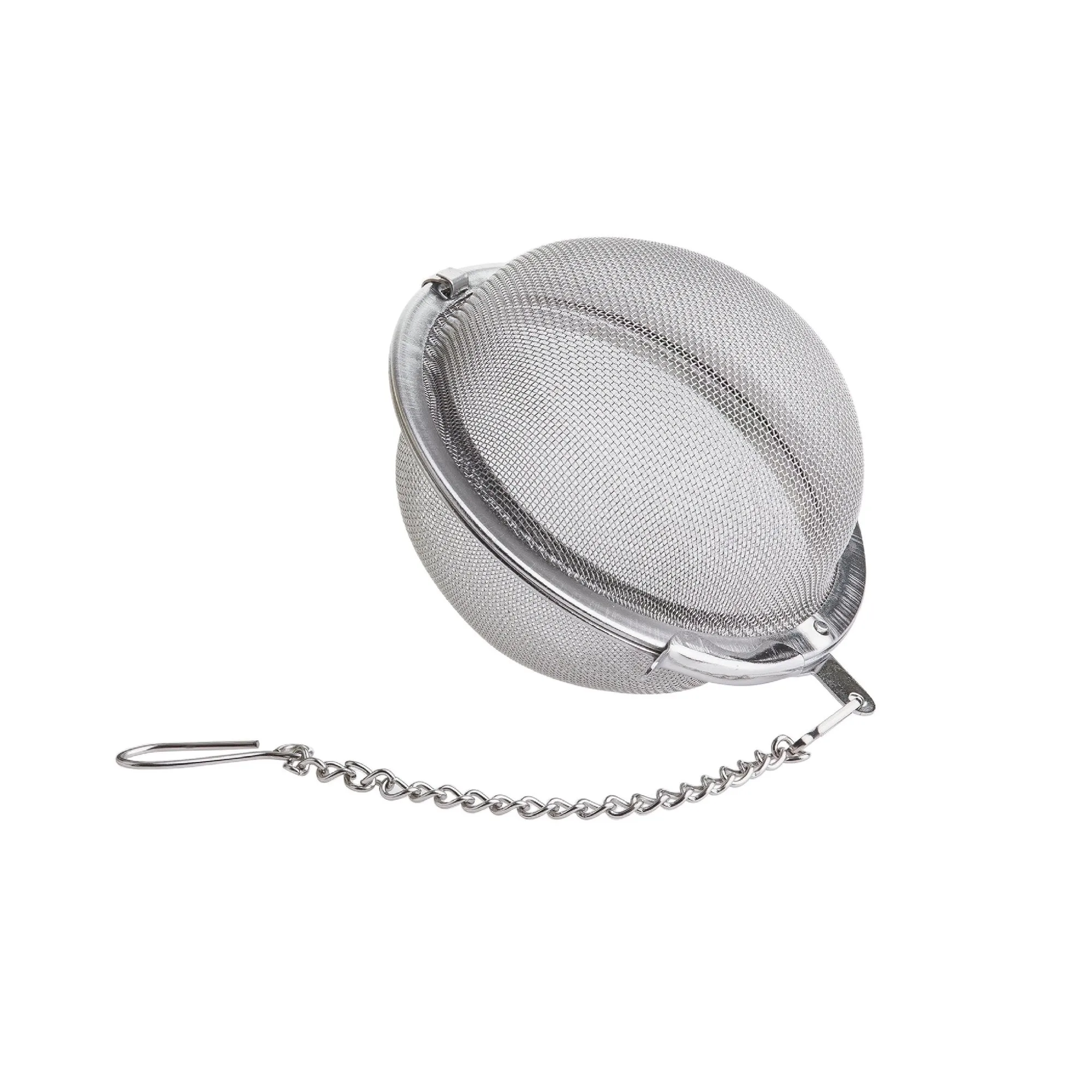
Not all sieves are created equal. A dedicated matcha sieve is often made of stainless steel with a fine mesh that won't rust or retain flavors. It typically comes with a small scoop or spoon for easy use. Some matcha enthusiasts prefer a traditional bamboo sieve, but a stainless steel version is more durable and easier to clean.
If you don't have a matcha-specific sieve, a standard fine-mesh tea strainer can work in a pinch—just make sure the holes are small enough to catch clumps. Avoid using a colander or coarse sieve, as they won't break apart the fine matcha particles effectively. For the best results, invest in a proper matcha sieve; it's a small tool that pays off in every cup.
- Stainless steel sieves are durable, rust-proof, and easy to clean
- Bamboo sieves are traditional but require careful maintenance
- A standard fine-mesh tea strainer is a good backup option
Common Mistakes to Avoid When Sifting Matcha
One of the most common errors is sifting too much matcha at once. Overloading the sieve can cause the powder to clump together under its own weight, defeating the purpose. Always sift in small batches—just the amount you need for one serving. Another mistake is using a damp sieve; moisture will cause the powder to stick and form new clumps. Make sure your sieve is completely dry before you begin.
Some people also skip sifting altogether, thinking a good whisk will handle the clumps. While a high-quality bamboo whisk (chasen) can break up some lumps, it's not as effective as sifting. And if you're using an electric whisk or frother, clumps can get trapped in the device, leading to uneven mixing. Finally, don't forget to sift even if you're using a premium matcha like House Matcha—no matter the quality, sifting ensures a flawless cup.
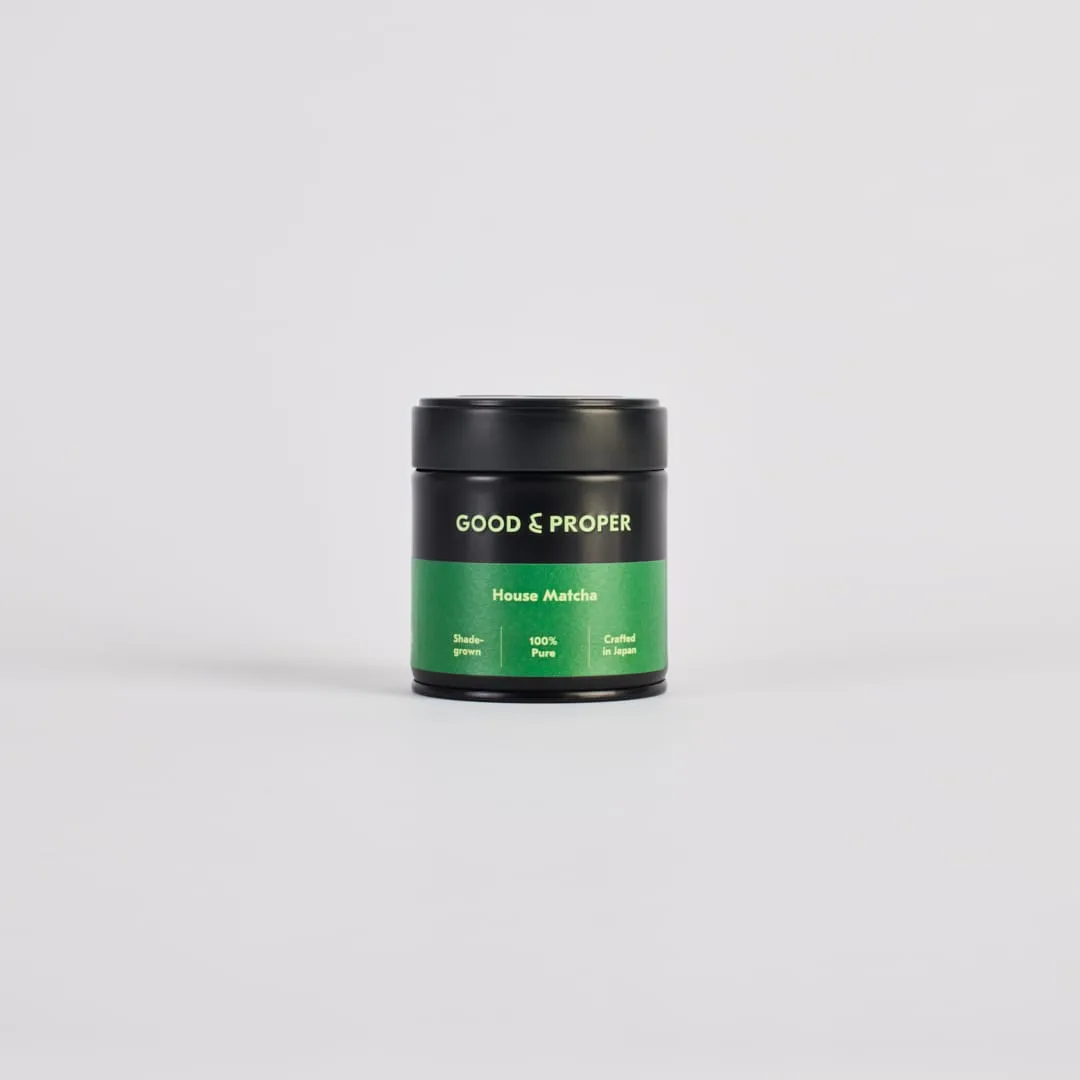
House Matcha
- Sift only the amount you need for one serving
- Always use a completely dry sieve
- Don't rely solely on whisking—sifting is essential for smoothness
Beyond Sifting: Other Tips for Smooth Matcha
Sifting is just one piece of the puzzle. Using the right water temperature is equally important—matcha should be prepared with water around 70-80°C (158-176°F). Boiling water can scorch the delicate powder, creating bitterness and a harsh texture. Also, use a proper bamboo whisk (chasen) for frothing; it's designed to incorporate air and break up any residual clumps.
If you're making iced matcha, sifting becomes even more critical because cold water doesn't dissolve clumps as effectively as hot water. For a refreshing summer drink, sift your matcha first, then whisk with a small amount of hot water to create a paste before adding cold water and ice. This technique ensures a smooth, vibrant iced matcha every time.
- Use water at 70-80°C to avoid bitterness
- A bamboo whisk (chasen) is best for creating smooth foam
- Always sift before making iced matcha for best results
Recommended Matcha Products for a Perfect Cup
To get the most out of your sifting practice, start with a high-quality matcha. Our House Matcha is a versatile, everyday matcha that sifts beautifully and delivers a rich, balanced flavor. For a more ceremonial experience, consider our GUEST TEA Azuma Wakoucha - Loose Leaf—though it's a black tea, its fine leaves remind us that attention to detail matters across all tea types.
Pair your matcha with the right tools. A fine-mesh matcha sieve is a worthwhile investment, and our Teaware and Gifts category offers several options to complete your setup. Remember, the best cup of matcha starts with proper preparation—and sifting is the first step.
- House Matcha is an excellent choice for daily preparation
- Explore our teaware for high-quality sieves and accessories
- Consistency in preparation leads to consistently great matcha
Sifting matcha might seem like an extra step, but it's the secret to a truly smooth, clump-free cup. By breaking apart clumps and aerating the powder, you set the stage for a creamy, vibrant matcha experience. Ready to perfect your matcha ritual? Start with our House Matcha and a quality sieve, and taste the difference that proper preparation makes.